Health care in the Netherlands is of high quality and works in a clear order. You first go to your family doctor, who treats you or refers you to a specialist. Everyone who lives or works in the Netherlands must have health insurance, and the exam often asks how this system works step by step.
Knowing who to call, when and in which order can protect your health, and in an emergency it can save a life.
Part 1 of 5
The family doctor (huisarts)
The family doctor is your first point of contact for almost every health problem. Register with a doctor near your home as soon as you have a place to live.
Make an appointment by phone or online. Be on time, and cancel in advance if you cannot come, because some doctors charge for a missed appointment.
A consultation is short, about ten minutes. Write down your questions and describe your complaint clearly.
You need a referral (verwijzing) from the family doctor to see a specialist (specialist) or to go to the hospital for non-urgent care.
Doctors have a duty of confidentiality (beroepsgeheim): they may not share your information without your permission.
You may ask an interpreter or bring someone you trust if the language is a problem. Say so when you make the appointment.
Exam tip: Question pattern: “You have a stomach ache. Where do you go first?” Answer: to the family doctor, not straight to the hospital.
Key words you will meet in the questions
huisarts
family doctor (GP)
afspraak maken
to make an appointment
verwijsbrief
referral letter
specialist
specialist doctor
Part 2 of 5
Health insurance is compulsory
Everyone who lives or works in the Netherlands must take out basic health insurance (basisverzekering) with a health insurer (zorgverzekeraar). The insurer must accept you.
You must take out insurance within four months of arriving or starting to work. If you wait longer, you owe the premiums backwards and may be fined.
You pay a monthly premium (premie). You can choose your insurer and extra insurance (aanvullende verzekering), for example for the dentist or physiotherapy. The basic package is the same everywhere.
Each year there is a deductible (eigen risico): you pay the first part of your care costs yourself. A visit to the family doctor is not charged to it.
With a low income you can get a health care allowance (zorgtoeslag) from the Tax Authority.
You can switch insurer once a year, until the end of December.
Key words you will meet in the questions
zorgverzekering
health insurance
basisverzekering
basic insurance
eigen risico
deductible
premie
premium
zorgtoeslag
health care allowance
Part 3 of 5
Emergencies and out-of-hours care
Knowing the right number to call matters. The right choice depends on how urgent the problem is.
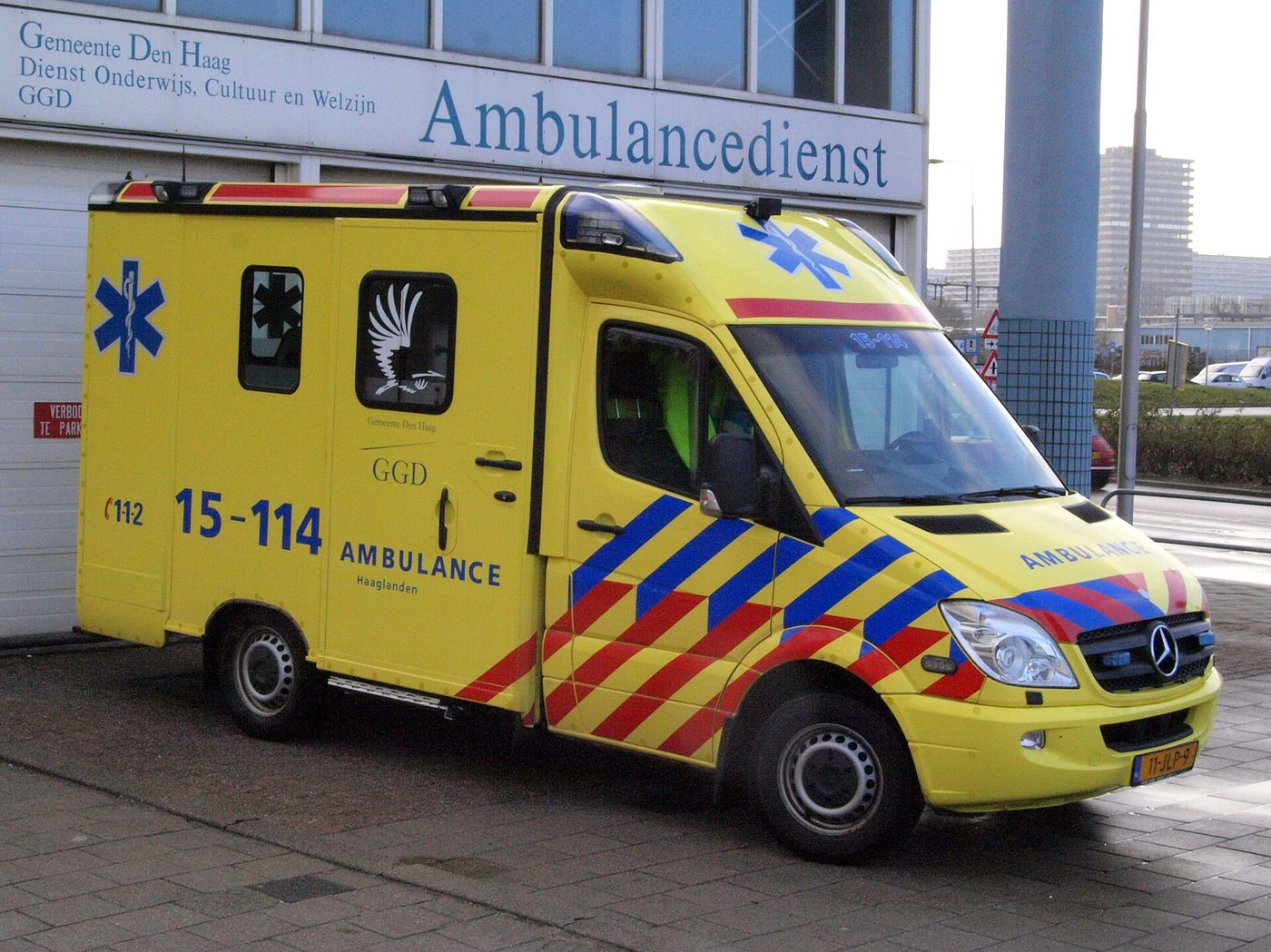
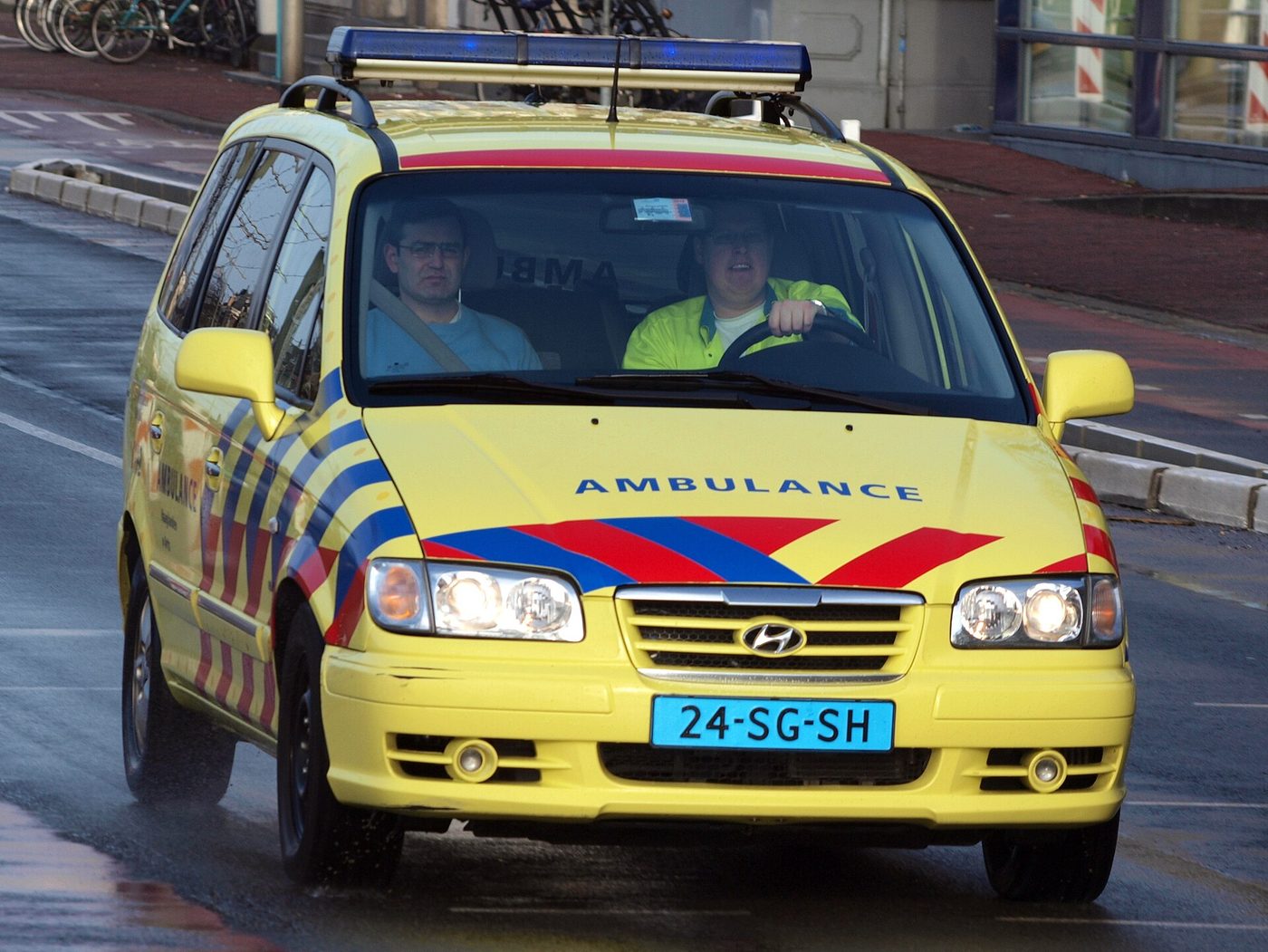
For a life-threatening emergency, call 112: ambulance, fire brigade or police. Say who you are, where you are and what happened. Calling 112 for a small problem is a misuse.
For urgent problems in the evening, at night or at the weekend, you call the out-of-hours GP service (huisartsenpost) instead of your own doctor.
The emergency department of the hospital (Spoedeisende Hulp, SEH) is for serious accidents and emergencies, usually after a referral or an ambulance.
For poison or a medication mistake you can also contact the poison information centre or your pharmacy.
Exam tip: Question pattern: “It is Saturday night, your child has a high fever but is breathing normally.” Answer: the out-of-hours GP service (huisartsenpost), not 112.
Key words you will meet in the questions
112
the emergency number
huisartsenpost
out-of-hours GP service
ambulance
ambulance
ziekenhuis
hospital
Part 4 of 5
Pharmacy, dentist and other care
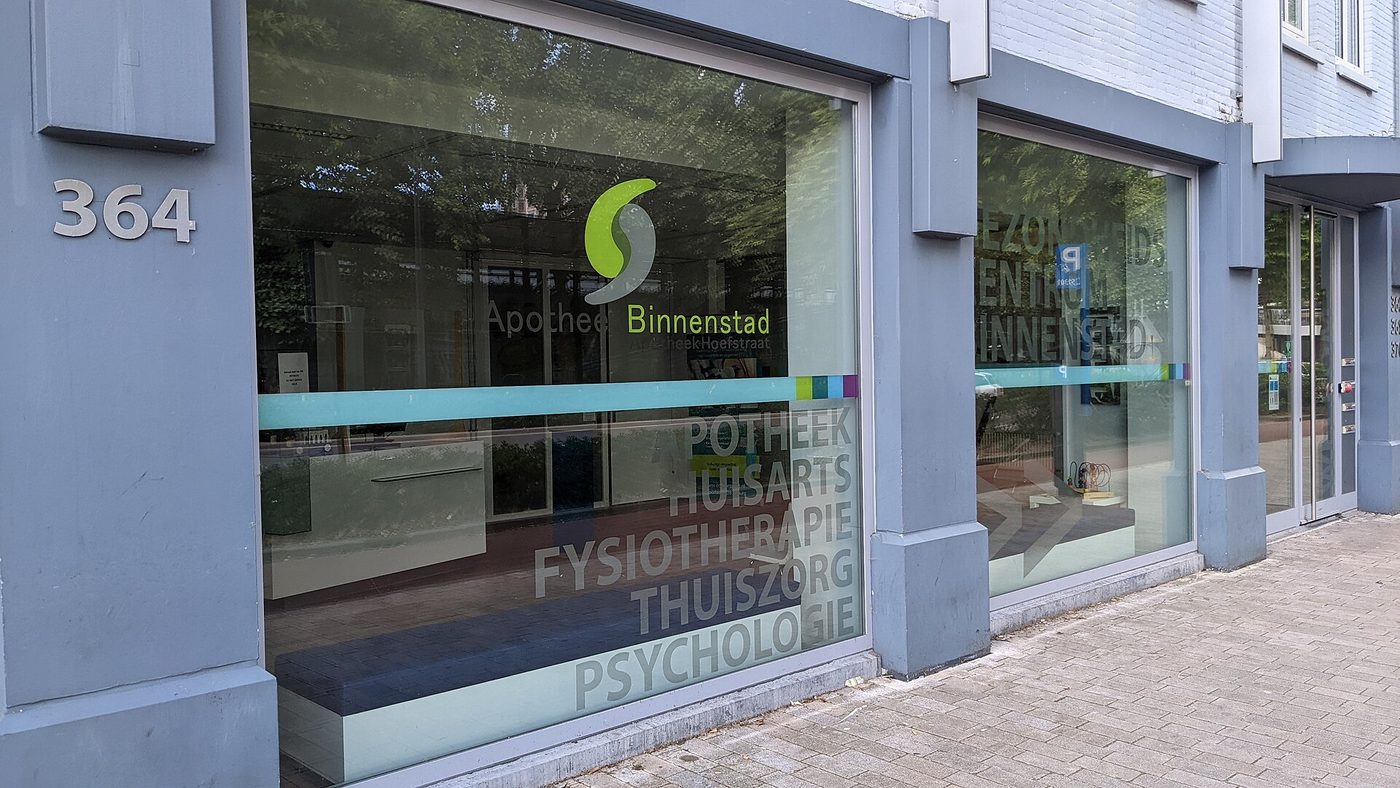
Medicines come from the pharmacy (apotheek), usually on a prescription (recept) from your doctor. You can buy simple things such as paracetamol at a drugstore (drogist) or a supermarket.
Take medication as the doctor or the leaflet says. Ask the pharmacist if you have questions; they are used to it.
You go to a dentist (tandarts) twice a year for a check-up. Children’s dental care is covered by the basic insurance; adult dental care mostly needs extra insurance.
For mental health problems you first talk to your family doctor, who can refer you to specialist mental health care (GGZ).
Pregnant women are guided by a midwife (verloskundige), and after the birth maternity care (kraamzorg) helps at home.
Key words you will meet in the questions
apotheek
pharmacy
recept
prescription
tandarts
dentist
verloskundige
midwife
Part 5 of 5
Care for babies and children
Babies and young children (up to four years) go regularly to the well-baby clinic (consultatiebureau). It is free and part of youth health care (jeugdgezondheidszorg).
At the consultatiebureau your child is weighed and measured, checked for development, and gets vaccinations from the national vaccination programme (Rijksvaccinatieprogramma).
Vaccination is not compulsory by law, but it is strongly recommended and most children are vaccinated.
At primary school age, the municipal health service (GGD) takes over with check-ups and further vaccinations.
If you worry about your child’s development or behaviour, you can ask the consultatiebureau, the school or the family doctor for help.
Key words you will meet in the questions
consultatiebureau
well-baby clinic
vaccinatie
vaccination
GGD
municipal health service
kraamzorg
maternity care at home
Remember for the exam
Go to your family doctor first; only they refer you to a specialist or the hospital.
Health insurance is compulsory for everyone: take it out within four months.
Every year you pay the first part of your costs yourself (eigen risico), except the family doctor.
112 is for life-threatening emergencies; the out-of-hours GP service is for urgent problems in the evening, night and weekend.
Babies go to the consultatiebureau for check-ups and vaccinations; it is free.
Now practise this topic
Reading is the first step. Questions show you what you already know.
Study the questions on this topic
Every question of the bank on this topic, with its answer. Check yourself and mark what you do not know yet.