“Mensch und Gesellschaft”, people and society, is the third area of the Einbürgerungstest. It asks how people live together in Germany: family, school, religion, the holidays and the rules of everyday life, and how the principle of equality is applied in practice.
Part 1 of 5
Family and equality
Marriage and family are protected by the Basic Law. In the family, women and men have the same rights and duties.
Two adults decide freely whether and whom they marry. A marriage is concluded at the registry office (Standesamt), which is the only legal marriage; a religious ceremony is optional.
Parents have the duty and the right to bring up their children, and the state watches over it. Violence against children and spouses is forbidden, and children have the right to a non-violent education.
Both parents can take parental leave (Elternzeit) and receive parental allowance (Elterngeld). Kindergarten (Kita) takes care of young children, and children from the age of one have a right to a place.
Women are present in all professions and in politics. Equal pay for equal work is the principle, and employers cannot refuse a woman because she is pregnant.
Germany has many types of families: married parents, single parents, patchwork families and same-sex couples; the law protects all of them.
Key words you will meet in the questions
die Ehe
marriage
das Standesamt
the registry office
die Elternzeit
parental leave
der Kindergarten / die Kita
day care for young children
gleichberechtigt
with equal rights
Part 2 of 5
School and education
Education is a matter of the Länder, so the school system differs a little from one state to another.
School attendance is compulsory (Schulpflicht) from the age of six, for nine or ten years; public schools are free of charge, and girls and boys study together.
All children go to primary school (Grundschule) for four years (six years in Berlin and Brandenburg). After that, they go to a Hauptschule, Realschule, Gymnasium or Gesamtschule; the Gymnasium leads to the Abitur and to university.
Many young people learn a trade in the dual vocational training (Ausbildung): they work in a company and go to the vocational school (Berufsschule) at the same time.
Religious education is a regular subject in many Länder, and parents can choose. Sex education and swimming lessons are part of school for everybody. Parents take part in the school through the parents’ representatives (Elternvertretung).
Universities charge no tuition fees in most Länder, and adults can learn German in integration courses.
Key words you will meet in the questions
die Schulpflicht
compulsory schooling
das Abitur
the final exam of the Gymnasium
die Ausbildung
vocational training
die Grundschule
primary school
das Zeugnis
school report
Part 3 of 5
Religion and the state
Germany is a country with religious freedom and with no state church. The state is neutral, but it cooperates with the religious communities.
The largest religious communities are the Roman Catholic Church and the Protestant Church (Evangelische Kirche); there are also Muslims, Jews, Orthodox Christians, other communities and many people without a religion.
Members of the large churches pay church tax (Kirchensteuer), which the tax office collects. If you leave the church, you stop paying it.
Everybody can build a place of worship within the law, wear religious clothes in private life and choose to take part or not in religious education. A person cannot be forced to believe or to change religion.
Respect between the religions and tolerance are expected. Antisemitism and hate against Muslims or any other group are not accepted.
Key words you will meet in the questions
die Religionsfreiheit
freedom of religion
die Kirchensteuer
church tax
die Toleranz
tolerance
die Glaubensgemeinschaft
a religious community
der Gottesdienst
a religious service
Part 4 of 5
Holidays, customs and everyday rules
Public holidays are set by law, and some of them differ from one Land to another.
National holidays in the whole country: 1 January (New Year), Good Friday, Easter Monday, 1 May (Labour Day), Ascension Day, Whit Monday, 3 October (Day of German Unity) and 25 and 26 December (Christmas).
Some holidays exist only in some Länder, for example Reformation Day (31 October), All Saints’ Day (1 November) and Corpus Christi. Sunday is a day of rest, and shops are closed.
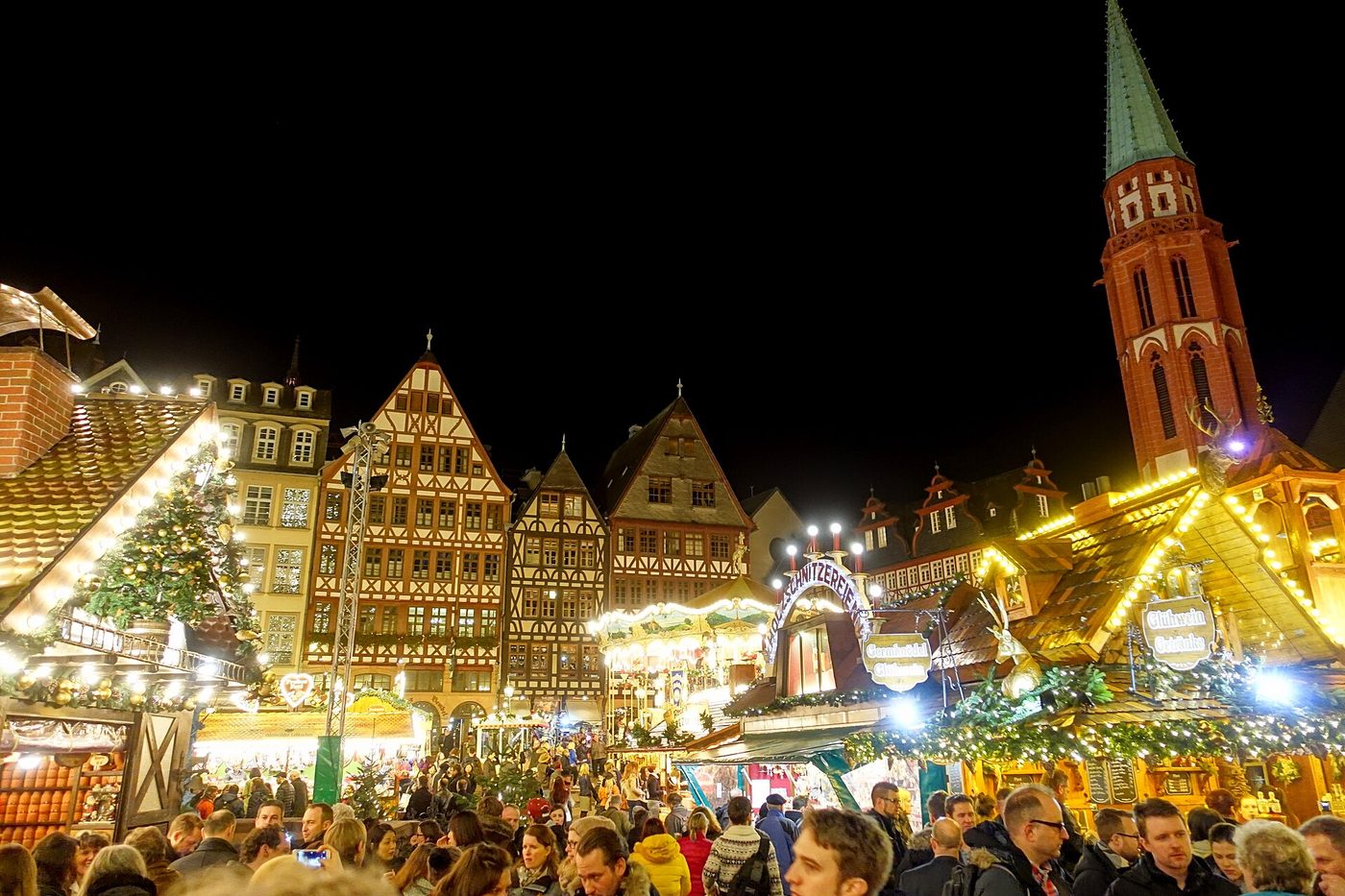
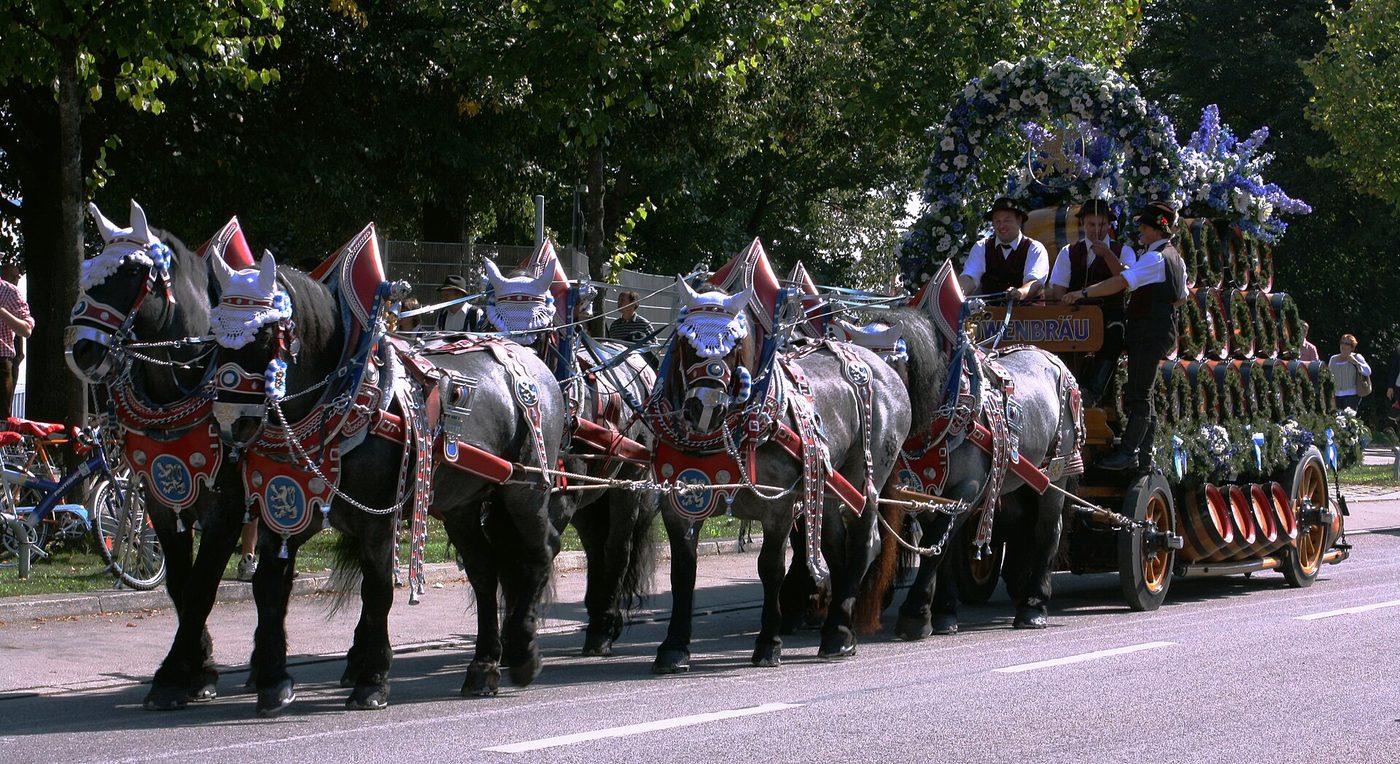
Typical customs: the Christmas markets in December, carnival (Karneval or Fasching) before Lent, the Oktoberfest in Munich and Easter with painted eggs. Football is the most popular sport.
Everyday rules: punctuality is important; people sort their waste; there are quiet hours (Ruhezeiten), usually at night and on Sundays; and bottles can be returned for a deposit (Pfand). People say “Sie” to strangers and “du” to friends and children.
Exam tip: 3 October is the national holiday; most of the other holidays are set by the Länder, so the list can differ where you live.
Key words you will meet in the questions
der Feiertag
a public holiday
die Mülltrennung
separating waste
die Ruhezeit
quiet hours
das Pfand
a deposit on bottles and cans
Part 5 of 5
Clubs, volunteering and neighbours
A large part of social life in Germany happens in clubs and voluntary work, and this is a good way to meet people and to practise German.
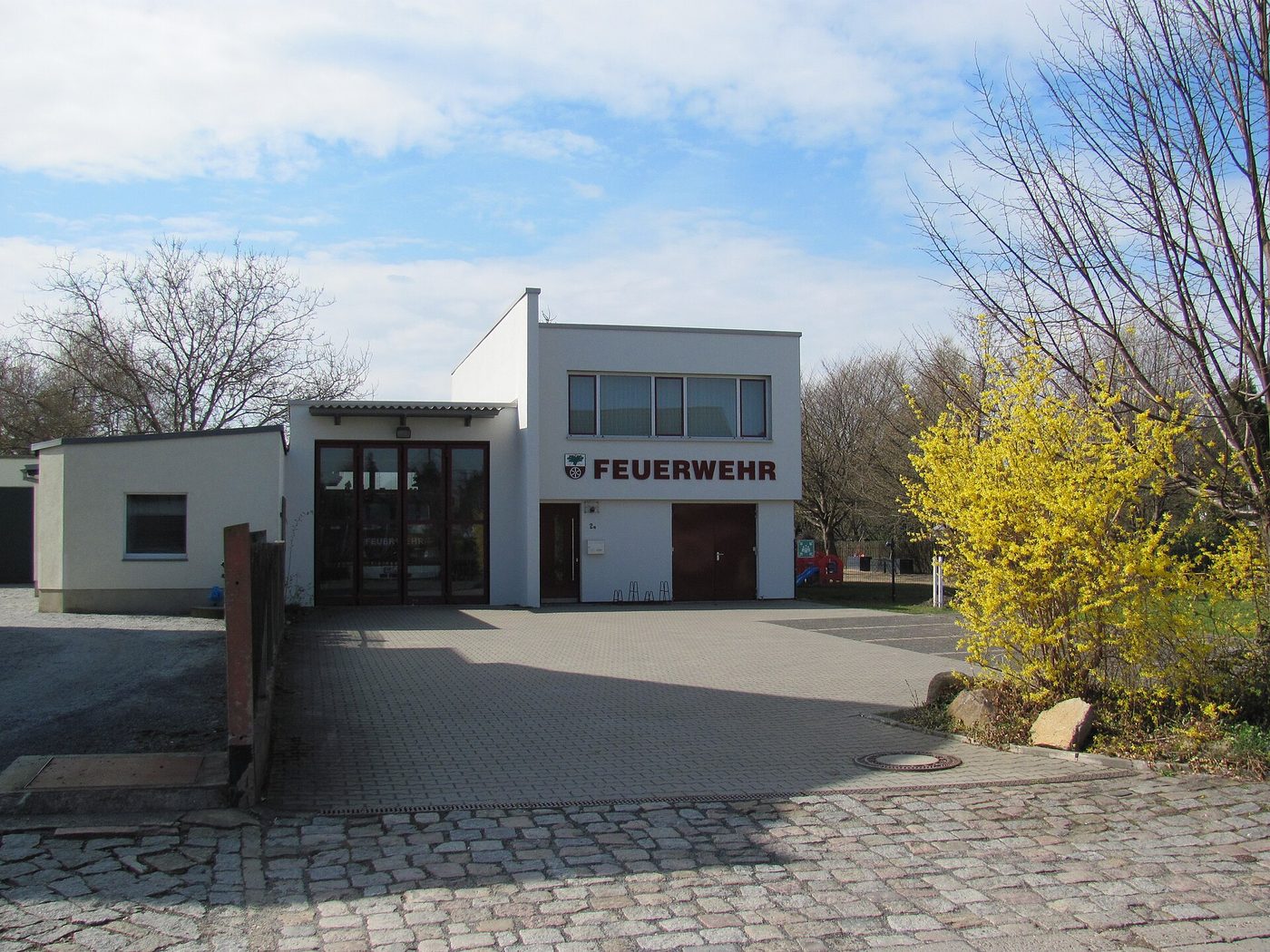
Many people volunteer (Ehrenamt) in clubs (Vereine), the volunteer fire brigade, charities, churches or in the neighbourhood. Around two in five people over 14 do voluntary work.
There are clubs for sport, music, hobbies and cultures, and anyone can join; the sports club (Sportverein) is the most common.
Good relations with the neighbours matter: say hello, respect the quiet hours and the house rules (Hausordnung) and sort the waste correctly.
If there is a conflict, people first talk to each other; a tenant can ask the landlord for help, and the police is called only for serious problems.
Key words you will meet in the questions
der Verein
a club or association
das Ehrenamt
voluntary work
die Nachbarn
the neighbours
die Hausordnung
the house rules
die Freiwillige Feuerwehr
the volunteer fire brigade
Remember for the exam
Marriage is concluded at the Standesamt; women and men have the same rights; violence is forbidden.
School is compulsory from about six; the Länder are responsible for education; Abitur and Ausbildung.
No state church; church tax for members; religious freedom for everybody.
3 October Day of German Unity; Sunday is a rest day; Pfand, Mülltrennung, Sie and du.
Now practise this topic
Reading is the first step. Questions show you what you already know.
Study the questions on this topic
Every question of the bank on this topic, with its answer. Check yourself and mark what you do not know yet.