Finding a home is one of the first big tasks after arriving. Most newcomers rent, and renting in the Netherlands comes with clear rights and duties for both the tenant (huurder) and the landlord (verhuurder). The KNM exam asks practical questions: who you sign a contract with, what you must report to the municipality when you move, which bin the plastic goes in, and what to do when the neighbours make too much noise.
Read the sections below one by one. Each ends with the Dutch words you will meet in the questions, so you can recognise them on the day.
Part 1 of 5
Renting a home
When you rent, you sign a rental contract (huurcontract) with the landlord. Read it before you sign: it says the rent, the start date, the notice period and who pays for what.
There is social housing from a housing corporation (woningcorporatie), often with a long waiting list, and private rented housing, which is usually more expensive.
A landlord may ask for a deposit (borg). By law it may not be more than two months’ rent, and you get it back when you leave if there is no damage.
The landlord does the big repairs. You do the small ones, such as changing a light bulb or unblocking a sink. Report a defect to the landlord quickly and in writing.
The rent may only go up under the rules of the law. If you disagree with a rent or a service charge, you can go to the Rent Tribunal (Huurcommissie).
Pay the rent on time every month. Late payment can end in a warning and, in the end, an eviction.
Exam tip: In the exam, “with whom do you sign the contract?” is always the landlord, never the municipality or the neighbours.
Key words you will meet in the questions
huurcontract
rental contract
huurder / verhuurder
tenant / landlord
borg
deposit
woningcorporatie
housing corporation (social housing)
Huurcommissie
Rent Tribunal
Part 2 of 5
Rent benefit and other allowances
If your income is low and your rent is not too high, the government can pay part of your rent. This is the rent benefit (huurtoeslag). It is one of several allowances (toeslagen) from the Benefits Service of the Tax Authority.
You apply online with your DigiD at the Tax Authority (Belastingdienst / Toeslagen). The amount depends on your income, your rent, your age and your household.
You must live in a self-contained home registered at your address, and you must tell the Tax Authority about every change in income, rent or household. If you do not, you may have to pay money back.
Other allowances are the health care allowance (zorgtoeslag), the childcare allowance (kinderopvangtoeslag) and the child-related budget (kindgebonden budget).
Renew or correct your details in time, because the allowances are paid in advance and settled afterwards.
Exam tip: An allowance (toeslag) is not the same as a benefit paid when you have no job (uitkering). You will meet that in the chapter on work and income.
Key words you will meet in the questions
huurtoeslag
rent benefit
toeslagen
allowances from the government
zorgtoeslag
health care allowance
inkomen
income
Part 3 of 5
Moving house and registering
Whenever you move, you must tell the municipality (gemeente) your new address. The municipality keeps the Personal Records Database (BRP), and many services depend on it.
Report your move no earlier than four weeks before and no later than five days after you move. You can do it online with your DigiD or at the town hall.
If you are new in the Netherlands, you register at the municipality and receive your citizen service number (BSN).
Also tell your employer, your health insurer, the Tax Authority, your bank, DUO, your school and your energy supplier. Many of them already get the new address from the municipality, but check.
Arrange mail forwarding if you need it, and read your meters (gas, water, electricity) on the day you move out and in.
Key words you will meet in the questions
verhuizen
to move house
gemeente
municipality
BRP
Personal Records Database
adreswijziging doorgeven
to report a change of address
Part 4 of 5
Waste and recycling
The Dutch separate their waste to recycle as much as possible. The exact rules depend on your municipality, so read the waste calendar (afvalkalender) of your town.
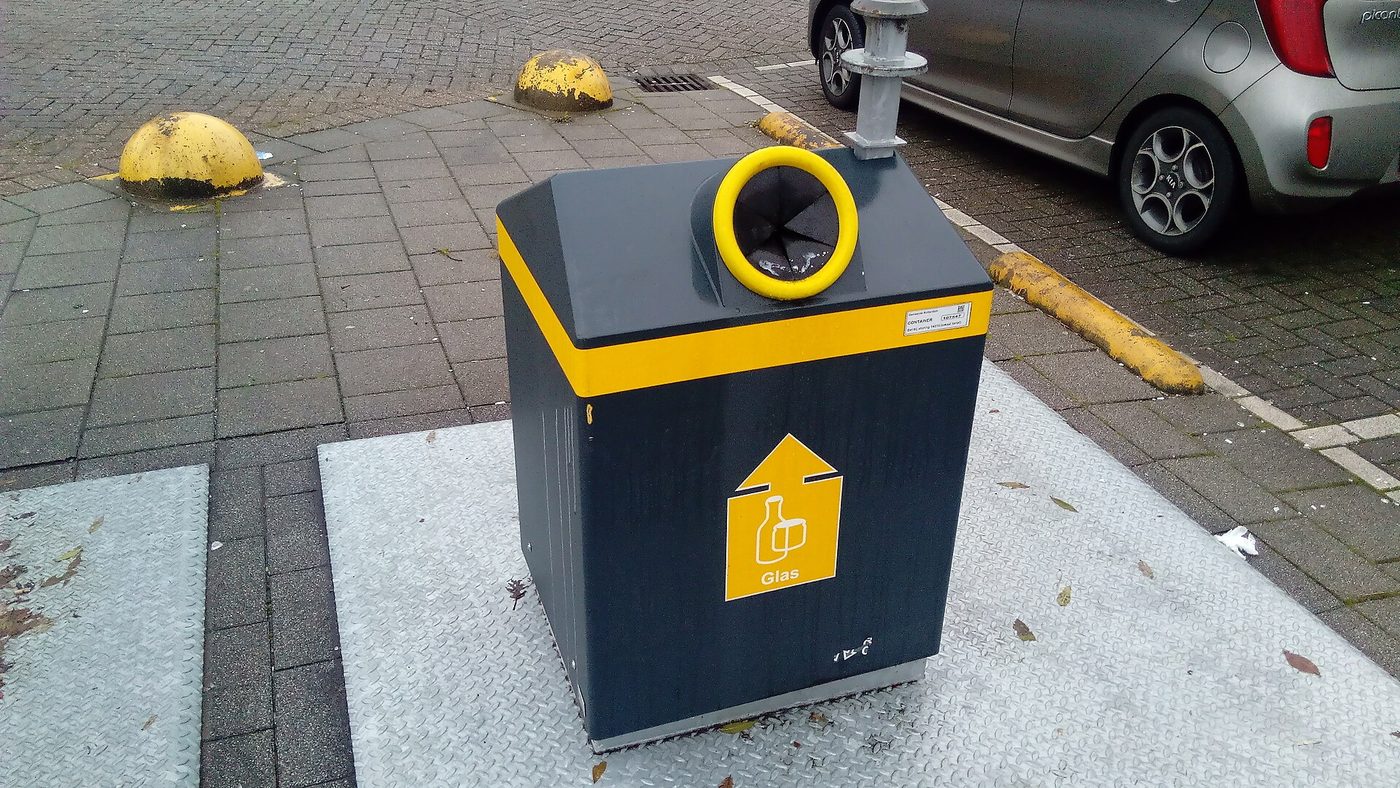
Organic waste (GFT: vegetable, fruit and garden waste) goes in the green bin. Paper and cardboard go in the paper container, glass in the glass container (bottle bank).
Plastic packaging, metal packaging and drink cartons (PMD) go in their own bag or container. What is left over goes in the general waste bin (restafval).
Large items (grofvuil), such as an old sofa, are not put on the street. You make an appointment with the municipality or take them to the recycling centre (milieustraat).
Put the bins out only on the right day and at the right place. For many bottles you get a deposit (statiegeld) back when you return them to the shop.
The municipality charges a waste levy (afvalstoffenheffing), part of your local taxes.
Exam tip: A typical question: “Where does an empty plastic bottle go?” Answer: in the plastic (PMD) container, not in the general waste, unless your municipality collects it differently.
Key words you will meet in the questions
afval scheiden
to separate waste
GFT-afval
organic waste
restafval
general (residual) waste
grofvuil
bulky waste
statiegeld
bottle deposit
Part 5 of 5
Neighbours and house rules
Good contact with your neighbours (buren) makes life easier. People greet each other, and neighbours often help each other with small things, but they also expect you to respect their peace and quiet.
Noise (geluidsoverlast) is a common cause of trouble. In the evening and at night you keep the volume low. The exact quiet hours differ per municipality and per building.
If something bothers you, first talk to your neighbour in a friendly way. Many problems end there.
If that does not help, you can ask for neighbourhood mediation (buurtbemiddeling), contact your landlord or housing corporation, or the municipality. For real danger or crime you call the police.
In an apartment building there are house rules (huisregels) for shared spaces such as the stairs, the bike shed and the garden. Owners of apartments form an owners’ association (VvE).
Keep the shared hallway and your balcony tidy, and do not leave bikes or rubbish where others need to walk.
Exam tip: The usual order is: talk first, then ask for help. Calling the police for a neighbour’s loud music at once is rarely the right answer.
Key words you will meet in the questions
buren
neighbours
overlast
nuisance
buurtbemiddeling
neighbourhood mediation
huisregels
house rules
Remember for the exam
You sign the rental contract with the landlord and pay the rent every month.
Rent benefit (huurtoeslag) comes from the Tax Authority and depends on income and rent. Report every change.
Tell the municipality about your move within five days after moving.
Separate your waste: organic, paper, glass, plastic/metal/cartons, and general waste.
With noisy neighbours: talk first, then mediation or the landlord, and the police only in an emergency.
Now practise this topic
Reading is the first step. Questions show you what you already know.
Study the questions on this topic
Every question of the bank on this topic, with its answer. Check yourself and mark what you do not know yet.