Daily life in the Netherlands has its own rhythm and habits. The exam asks practical questions about how people get around, which days are special, how they pay and how they behave when they meet. Many of these are things you notice only by living here, so it is worth reading them in advance.
Pay special attention to traffic rules, because they appear often and a mistake can be dangerous or expensive.
Part 1 of 5
Cycling and traffic rules
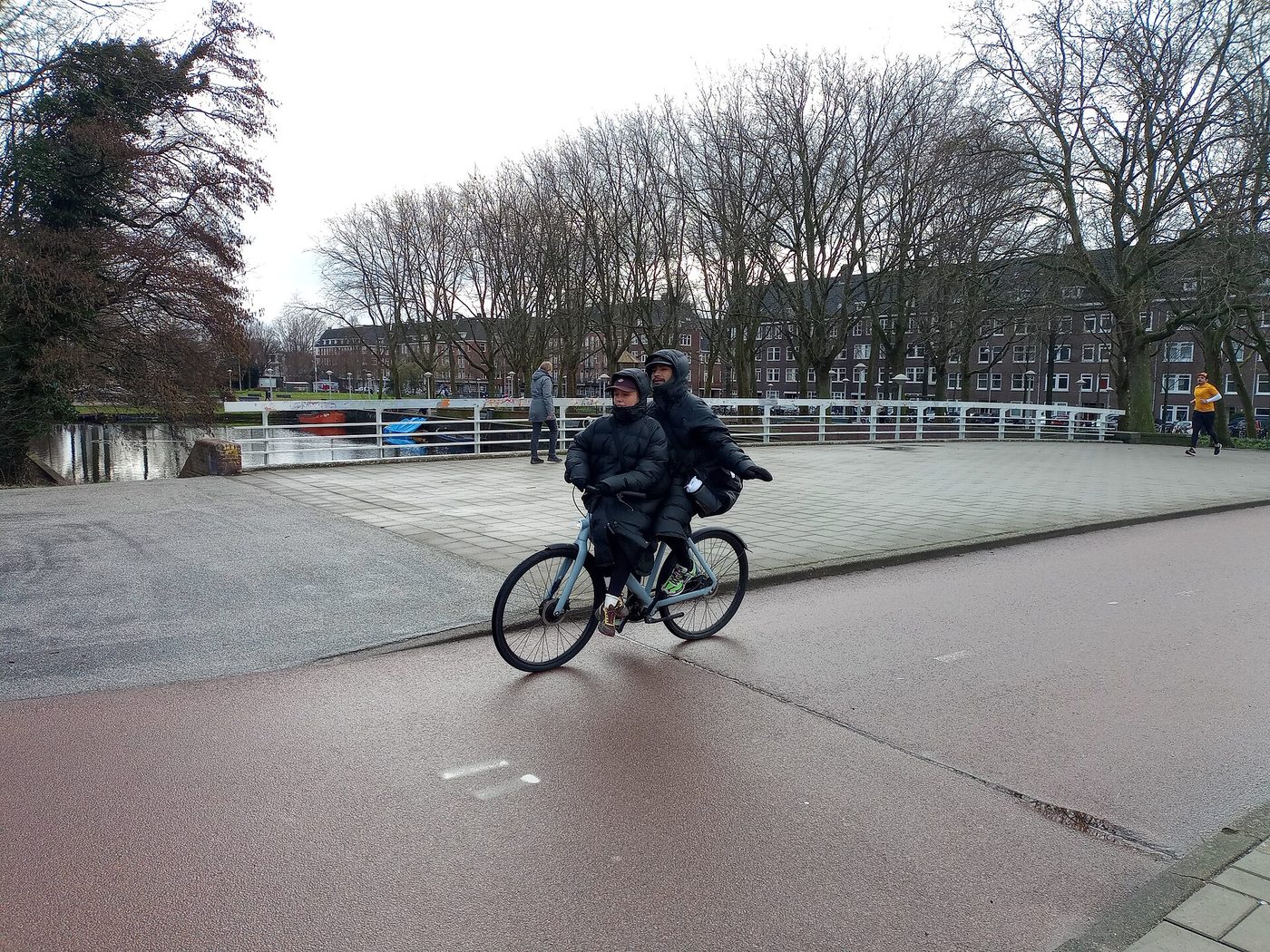
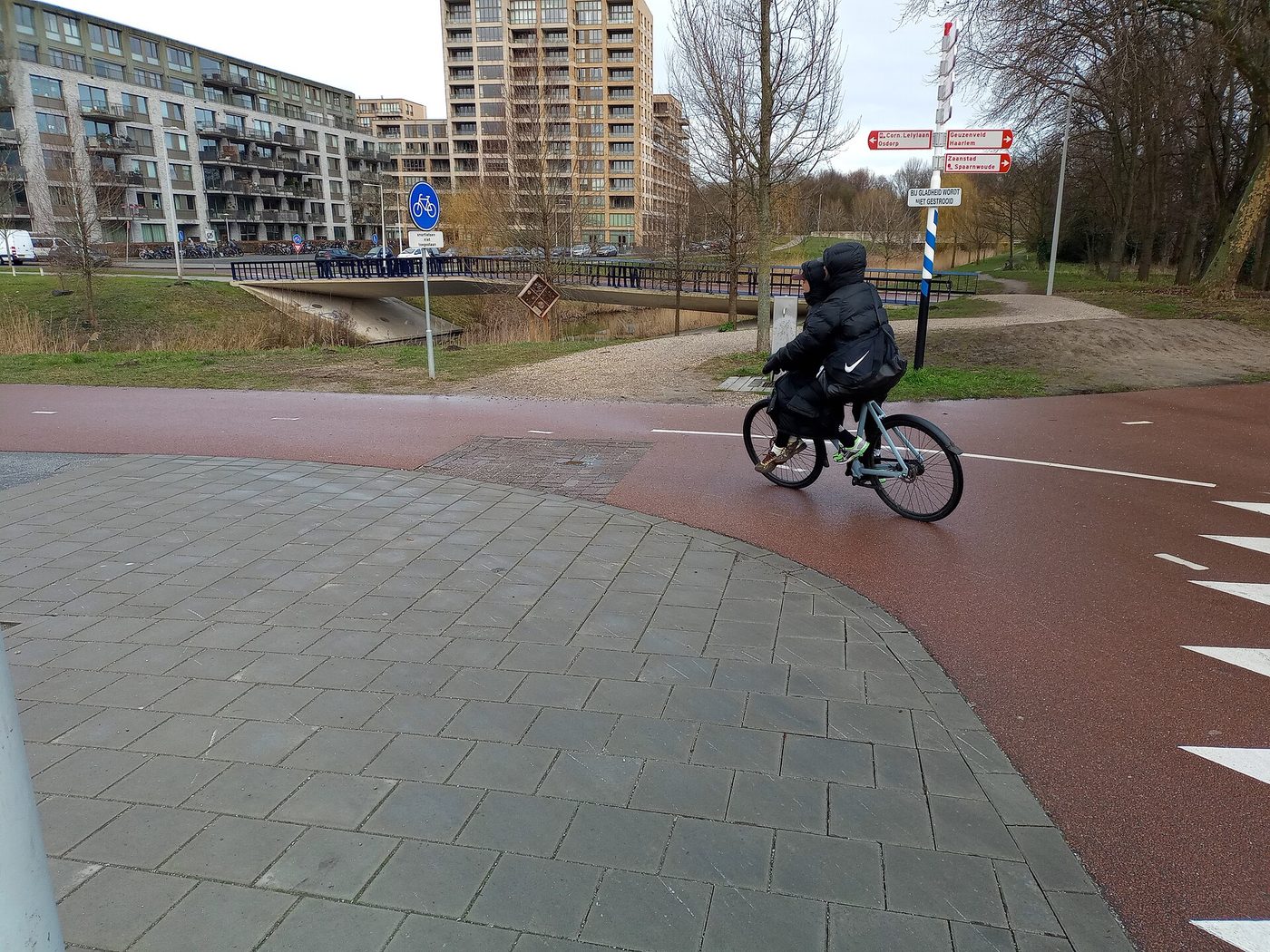
The bicycle is the most typical Dutch means of transport. There are separate cycle paths (fietspaden) almost everywhere, and cyclists are protected by clear rules.
A bicycle must have working lights at the front (white) and at the back (red), reflectors, a bell and brakes. Cycling without lights in the dark can get a fine.
Traffic from the right has priority at a crossing without signs or markings. At a crossing with “shark teeth” (white triangles) you must give way.
Hold your hand out to show you will turn. Do not use your phone while cycling, and do not ride in the wrong direction on a cycle path.
Lock your bike with a good lock, always, because bicycle theft is common. Park in a bike rack, not in front of doors or on the pavement.
Pedestrians use the pavement and crossings (zebrapad). Drivers must stop for people on a zebra crossing.
Exam tip: A typical question: “It is dark. What must your bicycle have?” Working lights, front and back.
Key words you will meet in the questions
fietspad
cycle path
voorrang
right of way
fietsverlichting
bike lights
zebrapad
pedestrian crossing
fietsslot
bike lock
Part 2 of 5
Public transport and driving
Trains, buses, trams and metros connect the whole country. For longer distances, the train is the main choice.
You pay with an OV-chipkaart or a contactless bank card or phone. Always check in at the start and check out at the end of every journey, or you lose money or get a fine.
Travelling without a valid ticket or check-in is fined. Keep your seat free for people who need it more.
To drive a car you need a driving licence (rijbewijs), car insurance (WA-verzekering, compulsory), and the car needs a valid MOT (APK). Wearing a seat belt is compulsory, and children need a child seat.
The speed limit in built-up areas is often 30 or 50 km/h. Drinking and driving is forbidden above a low alcohol limit, and using a phone in your hand is forbidden.
Key words you will meet in the questions
OV-chipkaart
public transport card
in- en uitchecken
to check in and out
rijbewijs
driving licence
verkeersboete
traffic fine
Part 3 of 5
Holidays and traditions
Holidays are days off for many people, and several have their own traditions. Know the main ones and what they celebrate.
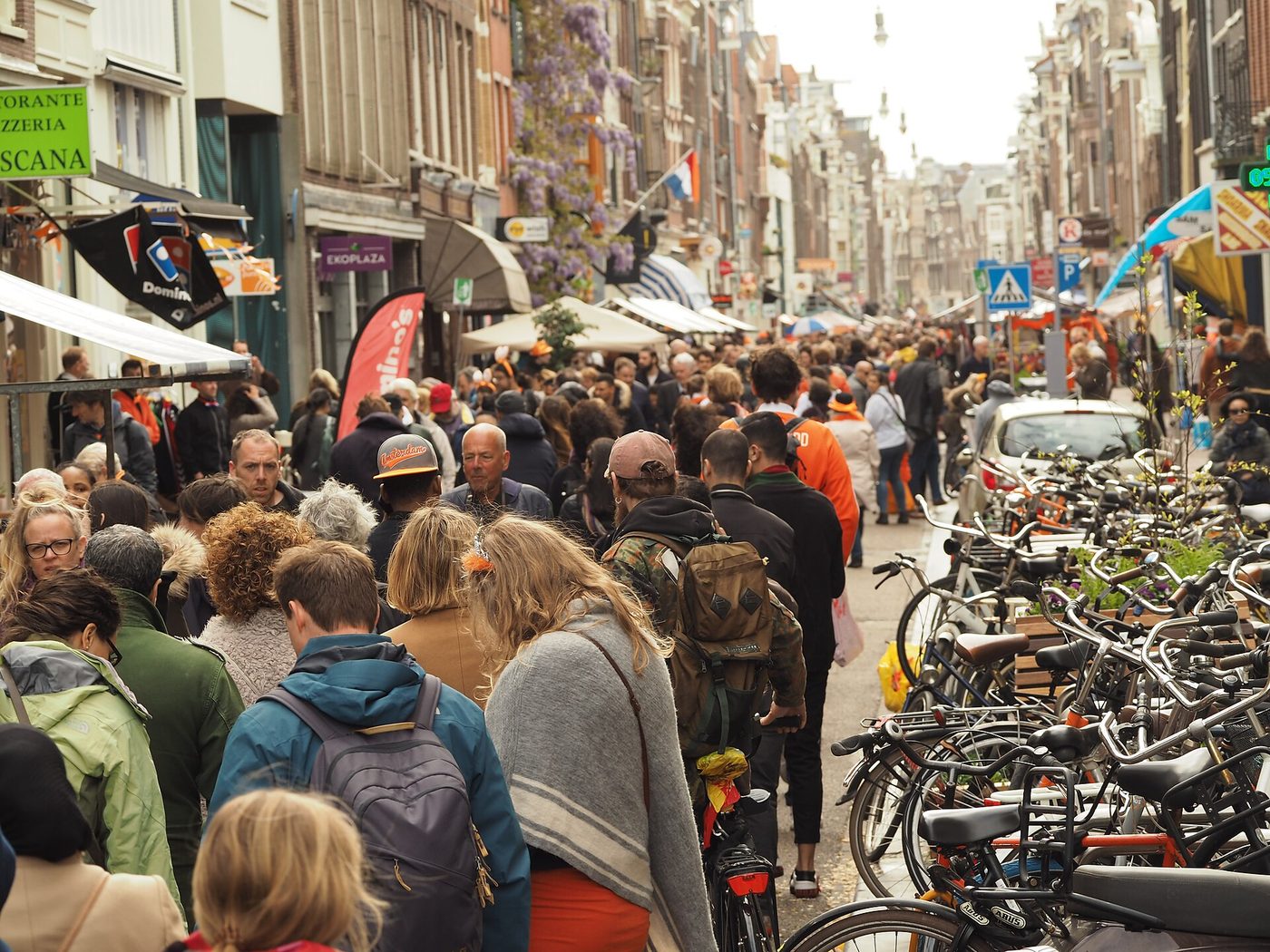
King’s Day (Koningsdag), 27 April: the king’s birthday. People wear orange, hold street markets (vrijmarkt) and celebrate.
4 May is Remembrance Day (Dodenherdenking) with two minutes of silence at 20:00, and 5 May is Liberation Day (Bevrijdingsdag).
Sinterklaas is on the evening of 5 December: children get presents and poems. Christmas is on 25 and 26 December. New Year is celebrated on 31 December with fireworks and oliebollen (fried dough balls).
Other public holidays include Easter (Pasen), Ascension Day (Hemelvaartsdag) and Pentecost (Pinksteren). Religious holidays of other faiths, such as Eid, are not public holidays, but you can ask your employer for a day off.
Birthdays are important: people congratulate everyone in the room, including family, and visitors sit in a circle. You say “gefeliciteerd!”.
Key words you will meet in the questions
Koningsdag
King’s Day
Sinterklaas
Saint Nicholas (5 December)
Kerst
Christmas
feestdag
public holiday
gefeliciteerd
congratulations
Part 4 of 5
Shopping, money and eating
Paying by card is normal, and in many shops cash is not accepted. Supermarkets are open most days, and on Sundays many shops in cities are open.
You pay with a debit card (pinnen) or on your phone. For payments on the internet you use iDEAL. You need a bank account with an IBAN, which you can open with your identity document and BSN.
Prices already include VAT (btw). Tipping is not compulsory; in a restaurant many people round up the bill.
You can buy fresh food at the weekly market (weekmarkt) and second-hand items at the thrift shop or online. A deposit (statiegeld) is paid on many bottles.
A typical Dutch day has bread for breakfast and lunch (broodmaaltijd), and a warm meal in the early evening, often between 17:30 and 19:00.
If you are invited for dinner, be on time, tell the host about allergies or food rules beforehand, and bring a small gift such as flowers.
Key words you will meet in the questions
pinnen
to pay by debit card
bankrekening
bank account
weekmarkt
weekly market
fooi
tip
Part 5 of 5
Meeting people and getting involved
People in the Netherlands like to arrange things in advance. Spontaneous visits are less usual than in many countries.
Make an appointment (afspraak) before visiting, even with friends and family. Use a calendar or an app, and keep to what you agreed.
Greet with a handshake, and among friends a kiss on the cheek, often three times. Say “goedemorgen”, “goedemiddag” or “hallo” to neighbours and shop assistants.
Many people are active in clubs (verenigingen) for sport, music or hobbies, and in volunteer work (vrijwilligerswerk). It is one of the best ways to meet people and practise Dutch.
Small talk about the weather, work and sport is normal. Ask questions about the other person, and do not be afraid to say if you do not understand.
Exam tip: When you are asked how to meet people in a new neighbourhood, join a club or do volunteer work: both are very Dutch answers.
Key words you will meet in the questions
afspraak
appointment
vereniging
club / association
vrijwilliger
volunteer
begroeten
to greet
Remember for the exam
On a bike you need working lights and a lock; traffic from the right has priority unless signs say otherwise.
Check in and out with your OV-chipkaart or bank card; travelling without a ticket is fined.
27 April King’s Day, 4 May remembrance, 5 May liberation, 5 December Sinterklaas, 25–26 December Christmas.
Paying by card (pinnen) is normal; you need a bank account with an IBAN.
Make an appointment before you visit; be on time; greet people; join a club or do volunteer work.
Now practise this topic
Reading is the first step. Questions show you what you already know.
Study the questions on this topic
Every question of the bank on this topic, with its answer. Check yourself and mark what you do not know yet.