Values are the basic ideas about what is right, such as equality and freedom. Norms are the rules of behaviour that come from them: some are written in the law, others are habits and manners. In the integration process you also sign a declaration (participatieverklaring) that you know and respect the core values of Dutch society.
In the exam you do not need to agree with everything personally, but you must know what the law says and what is expected, and answer accordingly.
Part 1 of 4
Equal treatment and non-discrimination
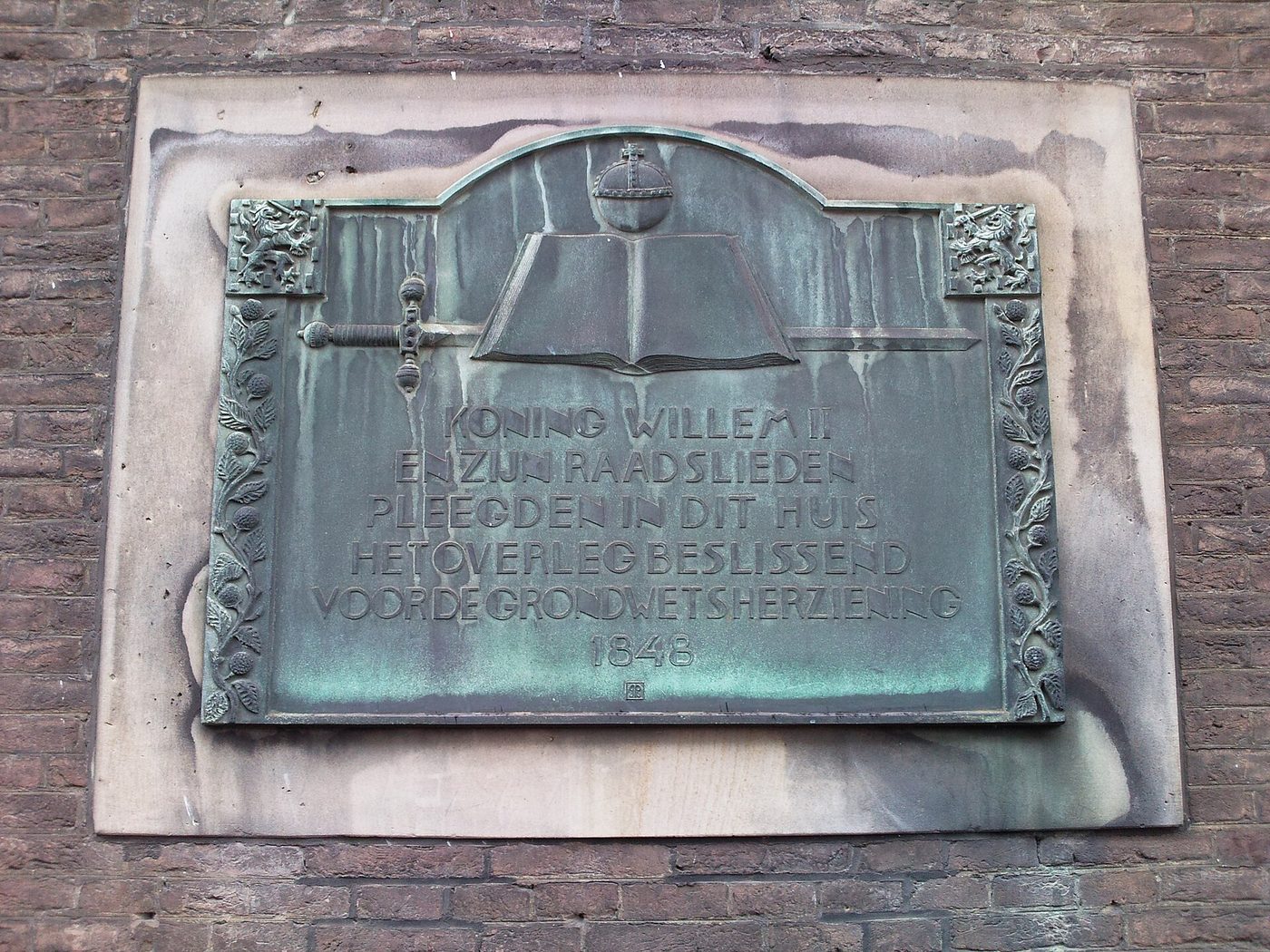
Article 1 of the Constitution says that everyone in the Netherlands is treated equally in equal cases. Discrimination on grounds of religion, belief, political opinion, race, gender, sexual orientation, disability or any other ground is forbidden.
Discrimination is forbidden at work, in school, when renting a home, in shops, and in bars and restaurants. It is a punishable offence.
You can report discrimination to the municipality’s anti-discrimination service (antidiscriminatiebureau) or to the police, and ask for help at the Netherlands Institute for Human Rights.
Men and women are equal. Both may study, work, vote, drive, own a bank account, choose a partner and divorce. Girls and boys go to school together.
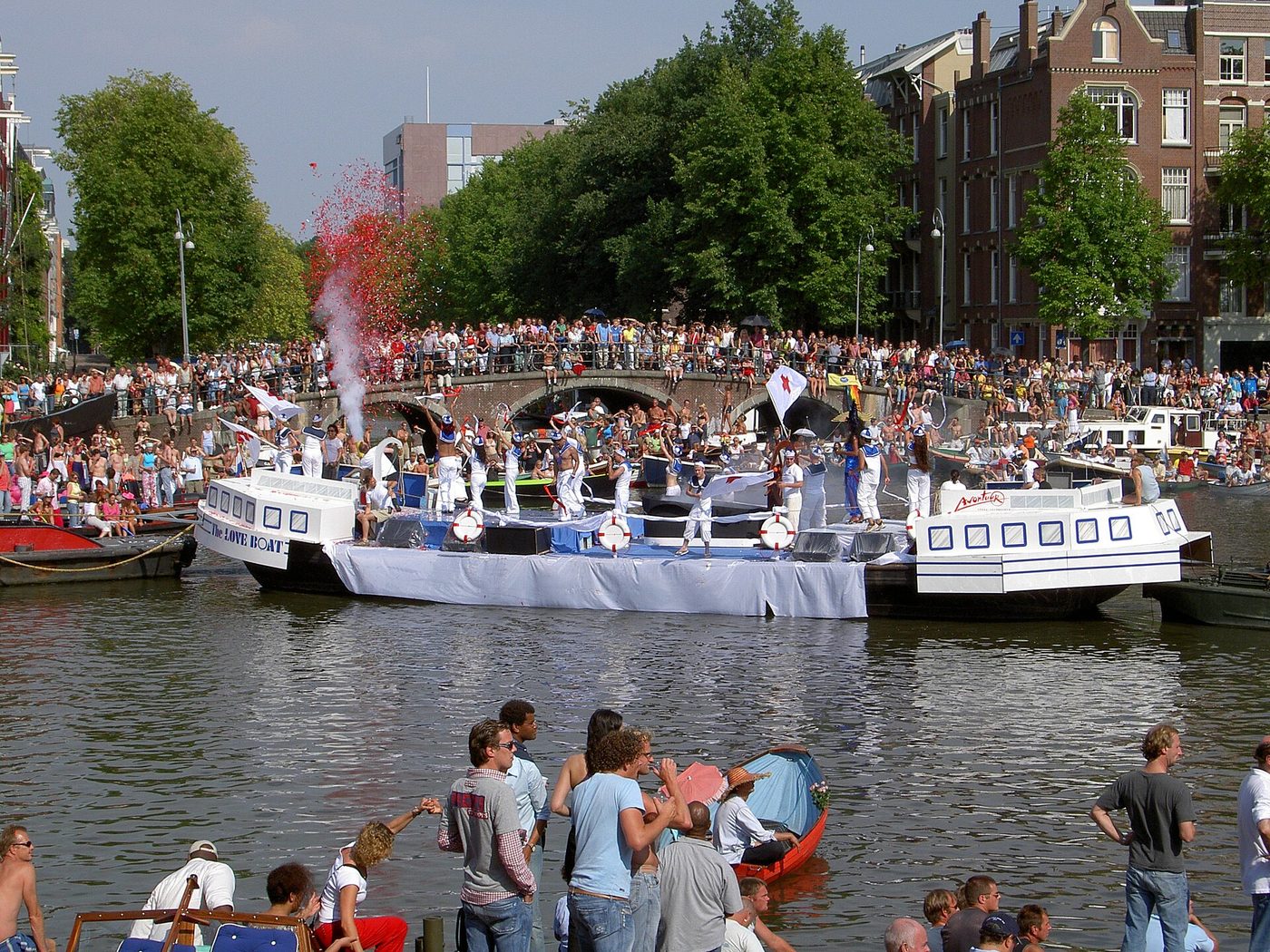
People may love and marry who they choose. In 2001 the Netherlands was the first country in the world to open civil marriage to same-sex couples.
Exam tip: Whatever the question, the answer that treats people equally and refuses discrimination is the right one.
Key words you will meet in the questions
gelijke behandeling
equal treatment
discriminatie
discrimination
grondwet
Constitution
gelijkwaardigheid
equal value / equality
Part 2 of 4
Freedom of religion, expression and assembly
The Constitution protects many freedoms. Everyone may believe or not believe, say their opinion, and demonstrate peacefully, within the limits of the law.
Freedom of religion (vrijheid van godsdienst): you may follow any religion or none, and change it. Nobody may force you. Church and state are separate.
Freedom of speech (vrijheid van meningsuiting): you may express your opinion, also in the press and online. But insulting groups, inciting hatred or violence, and threatening people are punishable.
Freedom of assembly and demonstration (vrijheid van vergadering en betoging): you may demonstrate, often with notice to the municipality, as long as it is peaceful.
Privacy and the freedom to organise: you may join a trade union, a club or a party, and your home and your correspondence are protected.
Freedom has limits: your freedom ends where you harm the freedom or safety of someone else.
Key words you will meet in the questions
vrijheid van godsdienst
freedom of religion
vrijheid van meningsuiting
freedom of speech
demonstreren
to demonstrate
scheiding van kerk en staat
separation of church and state
Part 3 of 4
What is forbidden and what is protected
Some behaviour is clearly against Dutch law, even if it is accepted in other countries or families. The exam wants you to recognise the most important of these.
Violence is forbidden: against partners (domestic violence), against children, and against anyone else. “Honour”-related violence and forced marriage are crimes. You can get help from Veilig Thuis.
Female genital mutilation is forbidden, also when done abroad to a girl who lives in the Netherlands.
Marriage requires the free consent of both people, and both must be at least 18.
Everyone must carry an identity document from the age of 14 and show it to the police when asked.
Hard drugs are forbidden. Soft drugs such as cannabis are illegal, but small amounts are tolerated in licensed coffee shops under strict rules (gedoogbeleid).
Alcohol may only be sold to people of 18 and older.
Exam tip: If a question describes a family or community rule that conflicts with the law, the law wins.
Key words you will meet in the questions
huiselijk geweld
domestic violence
gedwongen huwelijk
forced marriage
identificatieplicht
duty to show identification
strafbaar
punishable by law
Part 4 of 4
Manners and everyday norms
Besides the law there are unwritten rules. People in the Netherlands are usually direct and honest, value equality, and prefer to say things plainly rather than hide them.
Be on time. If you are going to be late, call or send a message. Make an appointment before you visit somebody.
Greet people. A handshake is normal when meeting someone, and eye contact shows respect. Colleagues and neighbours are usually greeted with “hallo” or “goedemorgen”.
Wait for your turn in a queue and do not push in. Respect other people’s space and privacy.
Say what you think politely and directly. It is not rude to say “no” or to disagree; it is expected that you are honest.
Do things in the Dutch way of equality: you can address teachers, managers and older people informally in many places, but use “u” (formal you) when you do not know someone or in formal situations.
Key words you will meet in the questions
afspraak
appointment / agreement
op tijd komen
to be on time
beleefd
polite
u / jij
formal / informal “you”
respect
respect
Remember for the exam
Article 1 of the Constitution: equal treatment, and discrimination is forbidden.
Freedom of religion, speech and assembly exist, but with limits: no hate, no violence.
Men and women are equal; same-sex marriage has been legal since 2001; marriage needs free consent and age 18.
Violence in the family, forced marriage and genital mutilation are forbidden. Help: Veilig Thuis.
Be on time, be direct and polite, respect other people’s freedom.
Now practise this topic
Reading is the first step. Questions show you what you already know.
Study the questions on this topic
Every question of the bank on this topic, with its answer. Check yourself and mark what you do not know yet.