The UK is a constitutional monarchy and a parliamentary democracy. The monarch is the head of State, but the elected Parliament makes the laws and the Government, led by the Prime Minister, runs the country. This chapter also explains the courts, the police, and the practical things a resident has to know.
Part 1 of 6
The monarchy
The monarch has a ceremonial role and no real political power. The King or Queen acts on the advice of the Government.
The monarch is the head of State and also the head of the Church of England and of the Commonwealth. The King today is Charles III, who became King in September 2022 after Queen Elizabeth II.
The monarch opens each new session of Parliament with the King’s Speech, gives royal assent to new laws and appoints the Prime Minister, who is the person that can command a majority in the House of Commons.
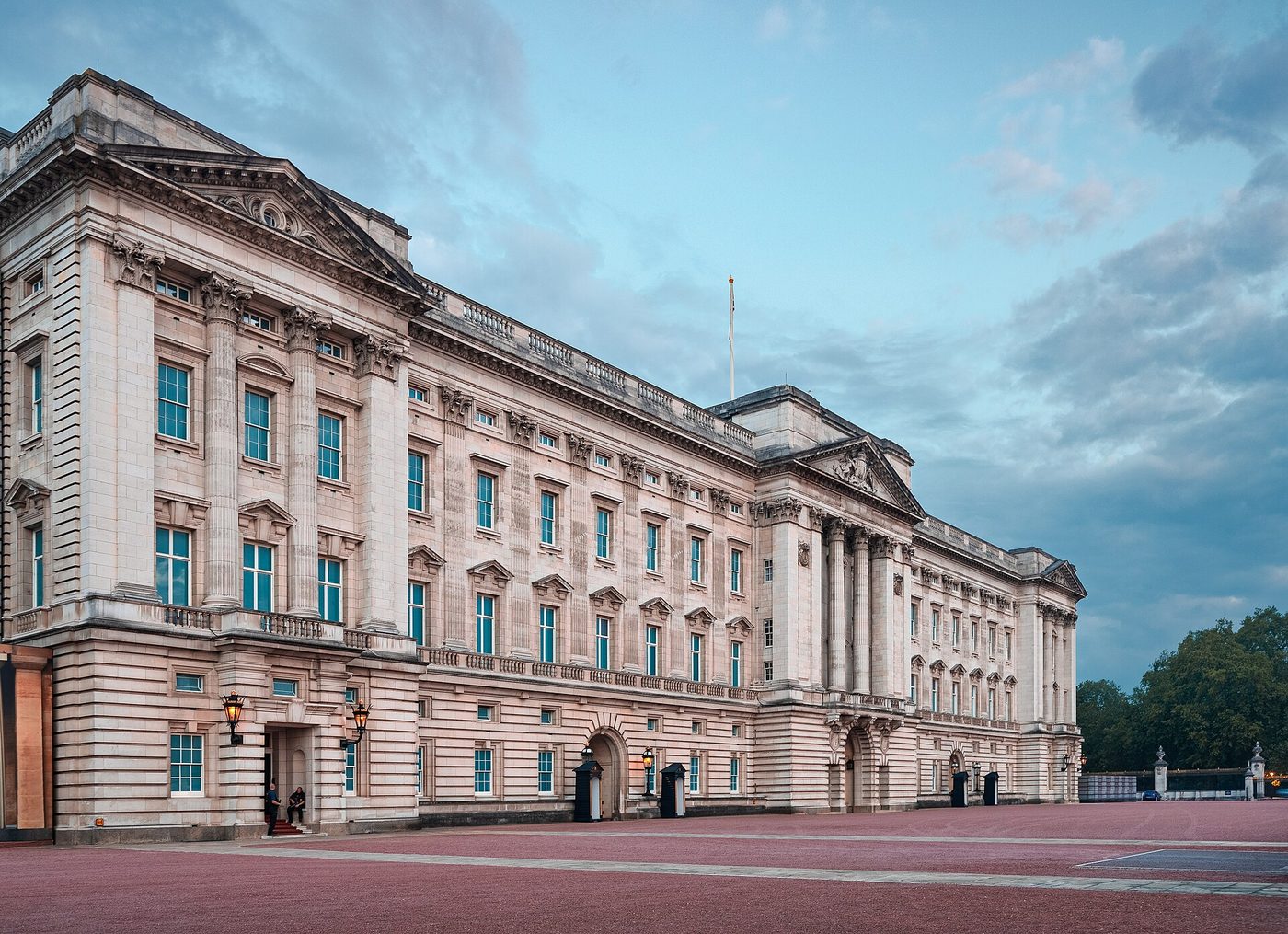
The monarch meets the Prime Minister every week. The official residence is Buckingham Palace in London.
The monarch must stay neutral in politics and does not vote.
Key words you will meet in the questions
monarch
a king or queen
head of State
the official leader of a country
royal assent
the monarch’s approval of a law
constitutional monarchy
a monarchy limited by law
Commonwealth
a group of countries once in the empire
Part 2 of 6
Parliament and the Government
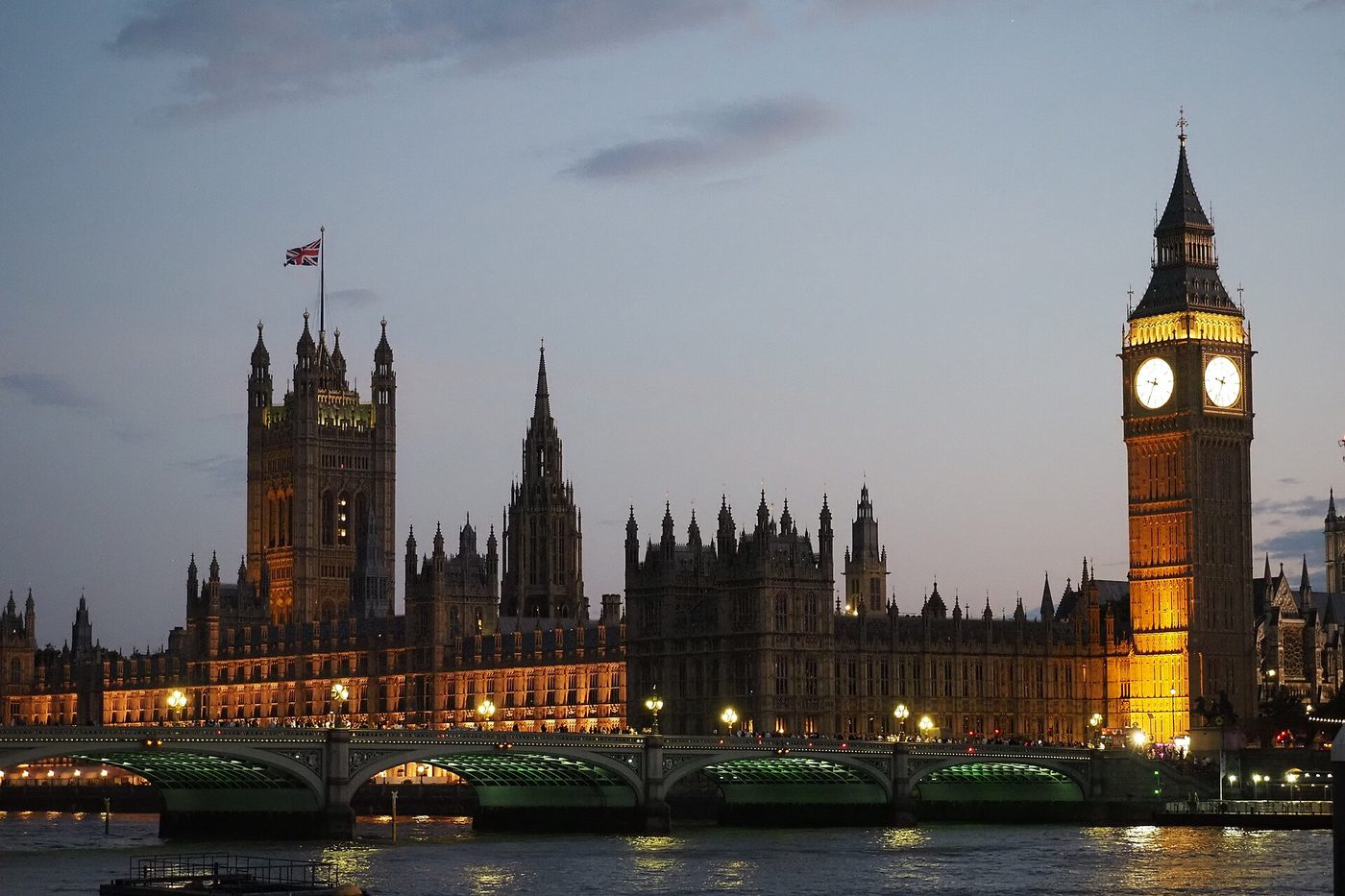
Parliament sits in the Palace of Westminster in London. It has two houses and the monarch.
The House of Commons has 650 Members of Parliament (MPs), each elected to represent a constituency. It is the more powerful house, and the Government must keep its support.
The House of Lords has more than 800 members, most of them appointed for life; some are hereditary peers and some are bishops. It looks again at laws and can delay them, but not stop most of them.
The Prime Minister leads the Government and chooses the ministers, who form the Cabinet. The Prime Minister lives and works at 10 Downing Street, and the party with the most MPs usually forms the Government.
The largest opposition party forms the Official Opposition, with a Shadow Cabinet. The Speaker keeps order in the Commons. The main parties are Conservative, Labour and Liberal Democrat, with others such as the SNP and the Greens.
A new law starts as a bill, is debated and voted in both houses, and becomes an Act of Parliament when it gets royal assent.
Exam tip: 650 MPs in the Commons; the Prime Minister lives at 10 Downing Street.
Key words you will meet in the questions
MP
Member of Parliament
House of Commons
the elected house
House of Lords
the second house
Prime Minister
the head of the Government
Cabinet
the senior ministers
Part 3 of 6
Devolution and local government
Since 1998–1999 some powers have been passed from London to Scotland, Wales and Northern Ireland.
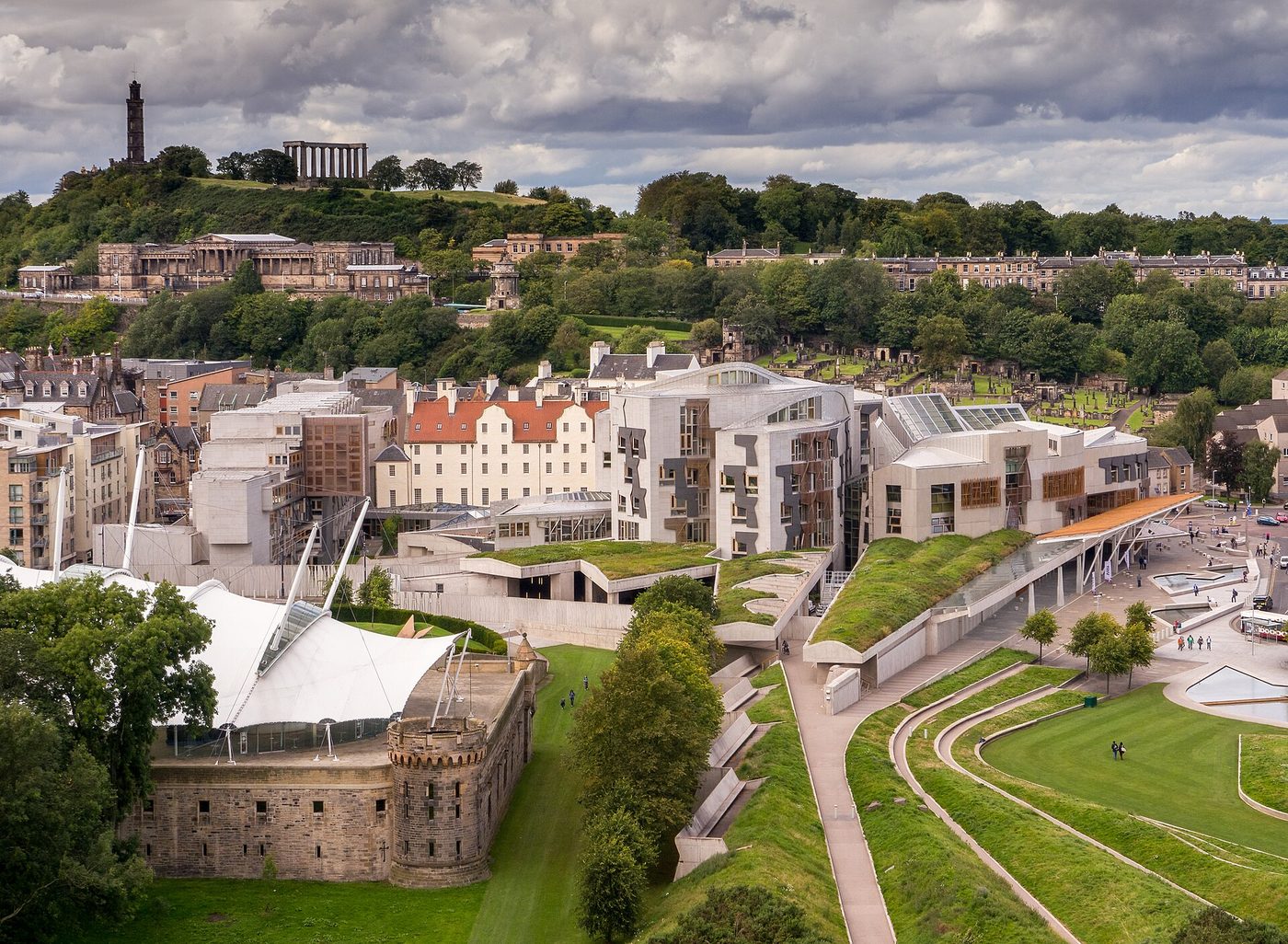
The Scottish Parliament (in Edinburgh, at Holyrood) has its own laws on health, education and justice. Its members are called MSPs.
The Senedd (Welsh Parliament) in Cardiff has powers over health, education and transport in Wales. The Northern Ireland Assembly meets at Stormont in Belfast.
The UK Parliament keeps the powers over defence, foreign affairs and the economy for the whole UK.
Local councils look after local services such as rubbish collection, schools, planning, libraries and social care. Councillors are elected for four years, and many places have a mayor.
The Channel Islands and the Isle of Man are not part of the UK, but depend on the Crown.
Key words you will meet in the questions
devolution
passing powers to the nations
Scottish Parliament
the Parliament in Edinburgh
Senedd
the Welsh Parliament
council
local government
mayor
the head of a local council or city
Part 4 of 6
Elections and voting
Elections are how people choose their representatives. They are free and secret.
A general election chooses the 650 MPs, at least every five years. The candidate with the most votes in each constituency wins (the “first past the post” system).
To vote you must be on the electoral register, and be 18 or older (16 or older in some elections in Scotland and Wales). You vote at a polling station, by post or by proxy.
You can vote in UK general elections if you are a British, Irish or qualifying Commonwealth citizen resident in the UK; people from other countries may vote in some local elections.
Other elections: local council elections, elections for the devolved parliaments, and for Police and Crime Commissioners and mayors.
A by-election takes place when an MP dies or resigns. To stand as an MP you must be 18 or older and a British, Irish or qualifying Commonwealth citizen.
Key words you will meet in the questions
general election
election of all MPs
constituency
an area that elects one MP
polling station
where you vote
ballot
a secret vote
candidate
a person who stands for election
Part 5 of 6
The courts, the police and the law
The justice system is independent from the Government. The laws of England, Wales and Northern Ireland are similar, and Scotland has its own legal system.
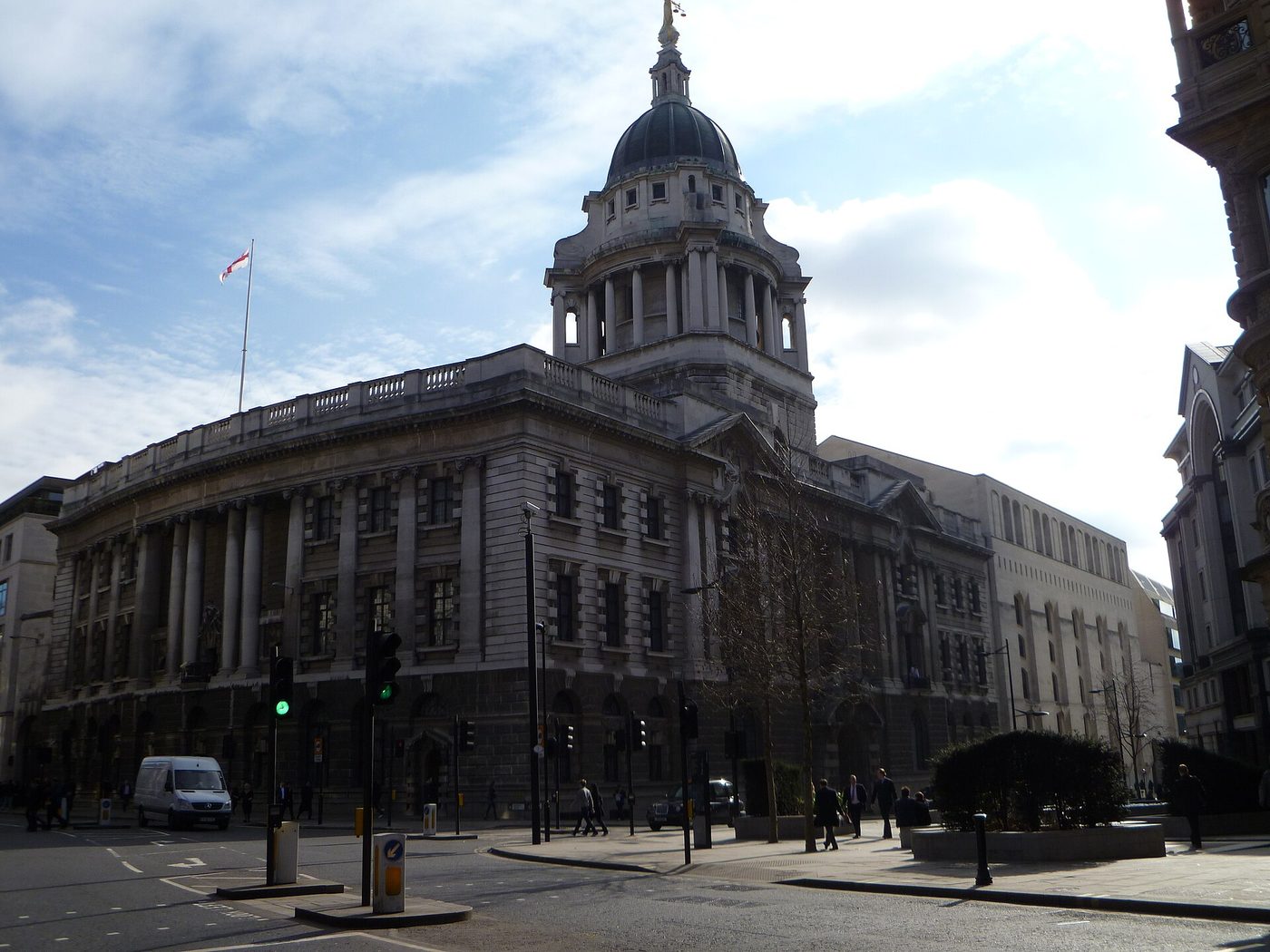
Criminal cases begin in a magistrates’ court, and the most serious cases go to the Crown Court, with a jury of 12 people. In Scotland there are sheriff courts, and the procurator fiscal decides whether to prosecute.
Civil cases about money or family disputes go to the County Court and other civil courts. The Supreme Court is the highest court of appeal in the UK.
A person is innocent until proved guilty. A person who is arrested has the right to a lawyer and to be told why they are arrested. Judges are independent.
The police must treat everybody fairly and are held to account. For an emergency call 999 (or 112); for a crime that is not an emergency call 101. Crimes include assault, theft, drug offences and hate crime.
The age of criminal responsibility is 10 in England, Wales and Northern Ireland (12 in Scotland). Carrying a knife and drink-driving are serious offences.
Exam tip: 999 or 112 for an emergency; 101 for a non-emergency.
Key words you will meet in the questions
magistrate
a judge in a lower court
jury
a group of citizens who decide a case
solicitor / barrister
types of lawyer
Supreme Court
the highest court
offence
a crime
Part 6 of 6
Everyday life: health, work, driving and money
The last part of the handbook is practical. It covers the services you will use as a resident.
The National Health Service (NHS) gives free health care to residents; you register with a GP (doctor) and use A&E for an emergency. Prescriptions are free in Scotland, Wales and Northern Ireland, and in England are charged for some people.
Children must be in education from 5 to 16 (and take part in education or training until 18 in England). The main exams are GCSEs, then A-levels (Highers in Scotland).
Workers have a right to the minimum wage, paid holidays and a written statement of their job. People pay income tax and National Insurance, and many have a National Insurance number.
You drive on the left. You can get a provisional driving licence at 17 (16 for some disability payments), you must be insured, and the speed limits are 30 mph in towns, 60 on single carriageways and 70 on motorways.
To become a British citizen you normally need to pass the Life in the UK test and show English at B1 level, and to have lived in the UK for the required time. You can then vote in all elections, serve on a jury and apply for a British passport.
Key words you will meet in the questions
GP
general practitioner, a family doctor
NHS
the National Health Service
minimum wage
the lowest legal pay
National Insurance
contributions for benefits and the NHS
driving licence
a document that allows you to drive
Remember for the exam
Constitutional monarchy: the King (Charles III since 2022) is head of State but does not govern.
Parliament = House of Commons (650 MPs, elected) + House of Lords (appointed) + the monarch; the Prime Minister lives at 10 Downing Street.