This chapter of the handbook describes the UK today: who lives here, what people celebrate, which sports and arts they love and where the famous places are. Many questions ask for a name, a date or a place, and they are among the easiest points of the test once you have learned them.
Part 1 of 5
The four nations and their languages
The UK is made of four nations. It is important to know the difference between the names “UK”, “Great Britain” and “British Isles”.
The UK is England, Scotland, Wales and Northern Ireland. Great Britain is only England, Scotland and Wales. The British Isles also include the Republic of Ireland.
The capitals are London (England and the UK), Edinburgh (Scotland), Cardiff (Wales) and Belfast (Northern Ireland). The UK has around 67 million people, most of them in England.
The patron saints’ days are St David (Wales, 1 March), St Patrick (Northern Ireland, 17 March), St George (England, 23 April) and St Andrew (Scotland, 30 November).
English is the main language. Welsh is spoken by many people in Wales and is taught in schools; Scottish Gaelic and Irish are spoken in parts of Scotland and Northern Ireland.
The flag of the UK is the Union Flag (the Union Jack), which joins the crosses of St George, St Andrew and St Patrick.
Exam tip: UK = 4 nations; Great Britain = 3 (no Northern Ireland).
Key words you will meet in the questions
United Kingdom
England, Scotland, Wales and Northern Ireland
Great Britain
England, Scotland and Wales
patron saint
the saint of a nation
Union Flag
the flag of the UK
capital
the main city of a country
Part 2 of 5
Festivals, traditions and public holidays
Many festivals have a religious or historical origin, and people from many religions and cultures celebrate their own festivals as well.
Christmas Day (25 December) and Boxing Day (26 December), Easter (Good Friday and Easter Monday), New Year’s Day (1 January) and the August and spring bank holidays are public holidays. In Scotland 2 January is also a holiday.
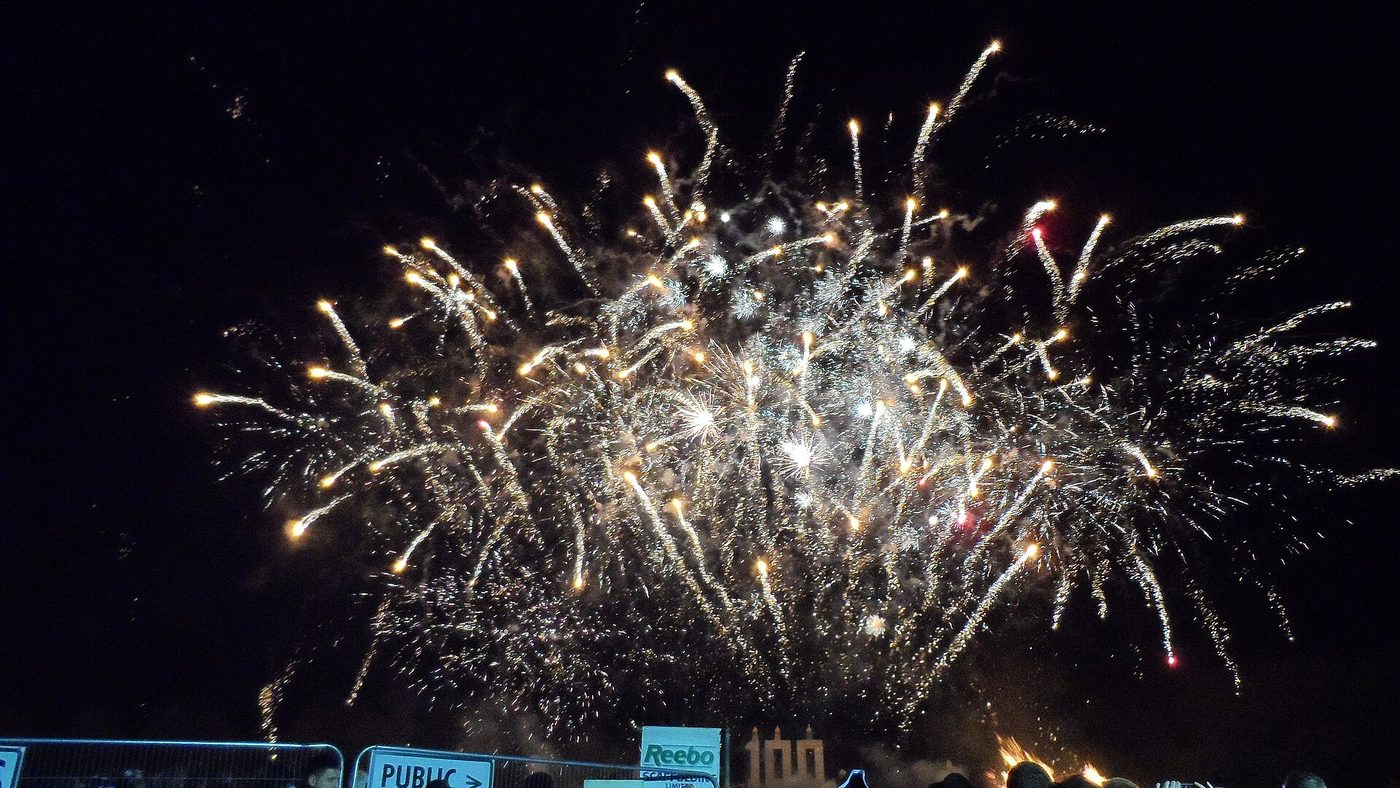
Bonfire Night (5 November) remembers the Gunpowder Plot of 1605, when Guy Fawkes tried to blow up Parliament. People light bonfires and have fireworks.
Remembrance Day (11 November) honours those who died in wars; people wear red poppies. In Scotland, Hogmanay is New Year’s Eve, and Burns Night (25 January) celebrates the poet Robert Burns.
Hallowe’en (31 October), Pancake Day (Shrove Tuesday), Valentine’s Day (14 February), Mother’s Day and April Fool’s Day (1 April) are popular, but not public holidays.
Other faiths have their own festivals: Eid (Muslims), Diwali (Hindus and Sikhs), Hanukkah (Jewish people), Vaisakhi (Sikhs) and Chinese New Year. Notting Hill Carnival in London celebrates Caribbean culture every August.
Key words you will meet in the questions
bank holiday
a public holiday
Bonfire Night
5 November
Remembrance Day
11 November
Hogmanay
Scottish New Year’s Eve
Christmas
25 December
Part 3 of 5
Sport
Sport is a very important part of British life, and many modern sports were first played here.
Football is the most popular sport. The Premier League is the top division in England, and football, rugby and cricket all have their own competitions.
Cricket is played in summer. Rugby has the Six Nations championship (England, Scotland, Wales, Ireland, France and Italy).
Wimbledon, in south-west London, is the oldest tennis championship in the world, held every summer. Golf started in Scotland, and St Andrews is its most famous course.
The Grand National is a famous horse race, and the Boat Race is a rowing race between Oxford and Cambridge on the Thames.
London hosted the Olympic Games in 1908, 1948 and 2012. The Paralympic Games began at Stoke Mandeville hospital in 1948.
Key words you will meet in the questions
football
association football (soccer)
rugby
rugby
cricket
cricket
Olympic Games
the international sports event
championship
a major competition
Part 4 of 5
Arts, literature and music
The UK has a long cultural tradition, and the test asks about famous people and their best known works.
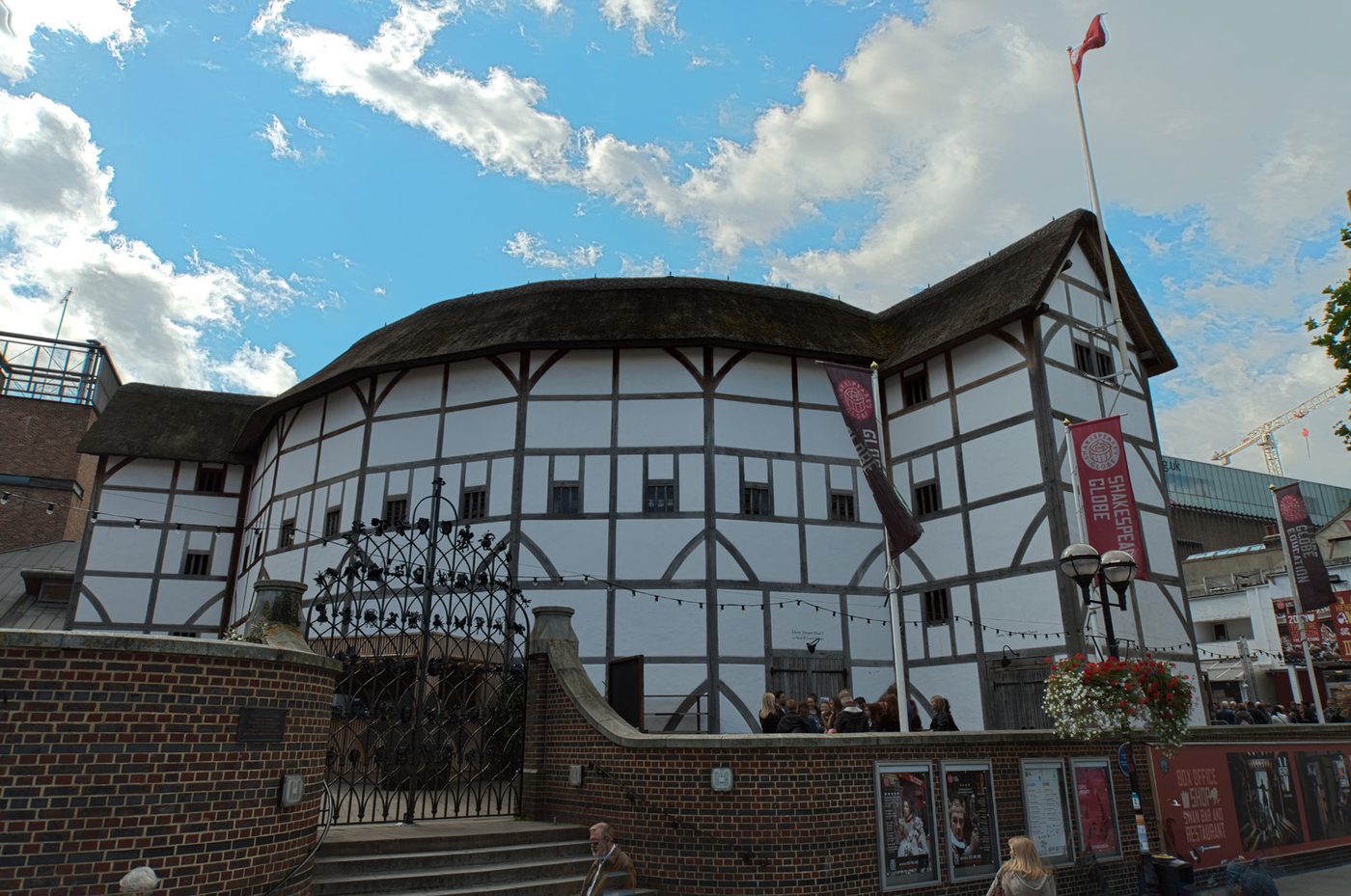
William Shakespeare (1564–1616) wrote plays such as Hamlet, Macbeth and Romeo and Juliet, performed at the Globe Theatre in London.
Other writers: Charles Dickens (Oliver Twist), Jane Austen (Pride and Prejudice), the Brontë sisters (Jane Eyre), Thomas Hardy, Agatha Christie, Robert Burns (poet), Dylan Thomas (Wales), and J. K. Rowling (Harry Potter).
Painters: J. M. W. Turner and John Constable (landscape), David Hockney; sculptors Henry Moore and Barbara Hepworth. The Turner Prize and the Booker Prize are famous awards.
Composers: Henry Purcell, Edward Elgar and Benjamin Britten; the Proms is a summer classical music festival. Popular music: The Beatles, the Rolling Stones, David Bowie and many more.
British film includes Alfred Hitchcock and Charlie Chaplin, and the BAFTA are the main British film awards.
Exam tip: Pairs to learn: Shakespeare – Hamlet; Dickens – Oliver Twist; Austen – Pride and Prejudice.
Key words you will meet in the questions
playwright
a person who writes plays
novelist
a writer of novels
composer
a person who writes music
painter
an artist who paints
award
a prize
Part 5 of 5
Places of interest and landscapes
The UK has beautiful landscapes, historic buildings and cities that attract millions of visitors.
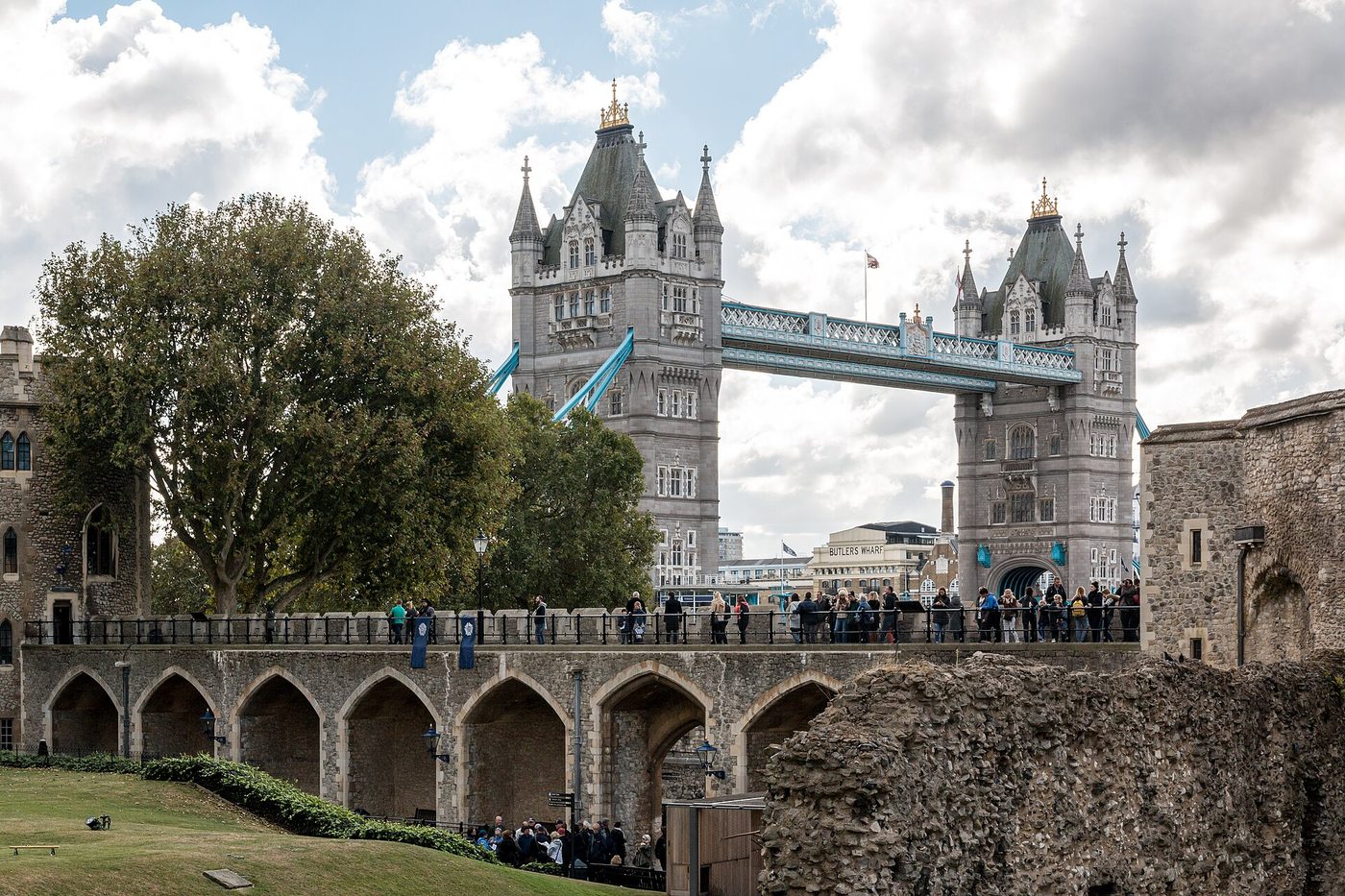
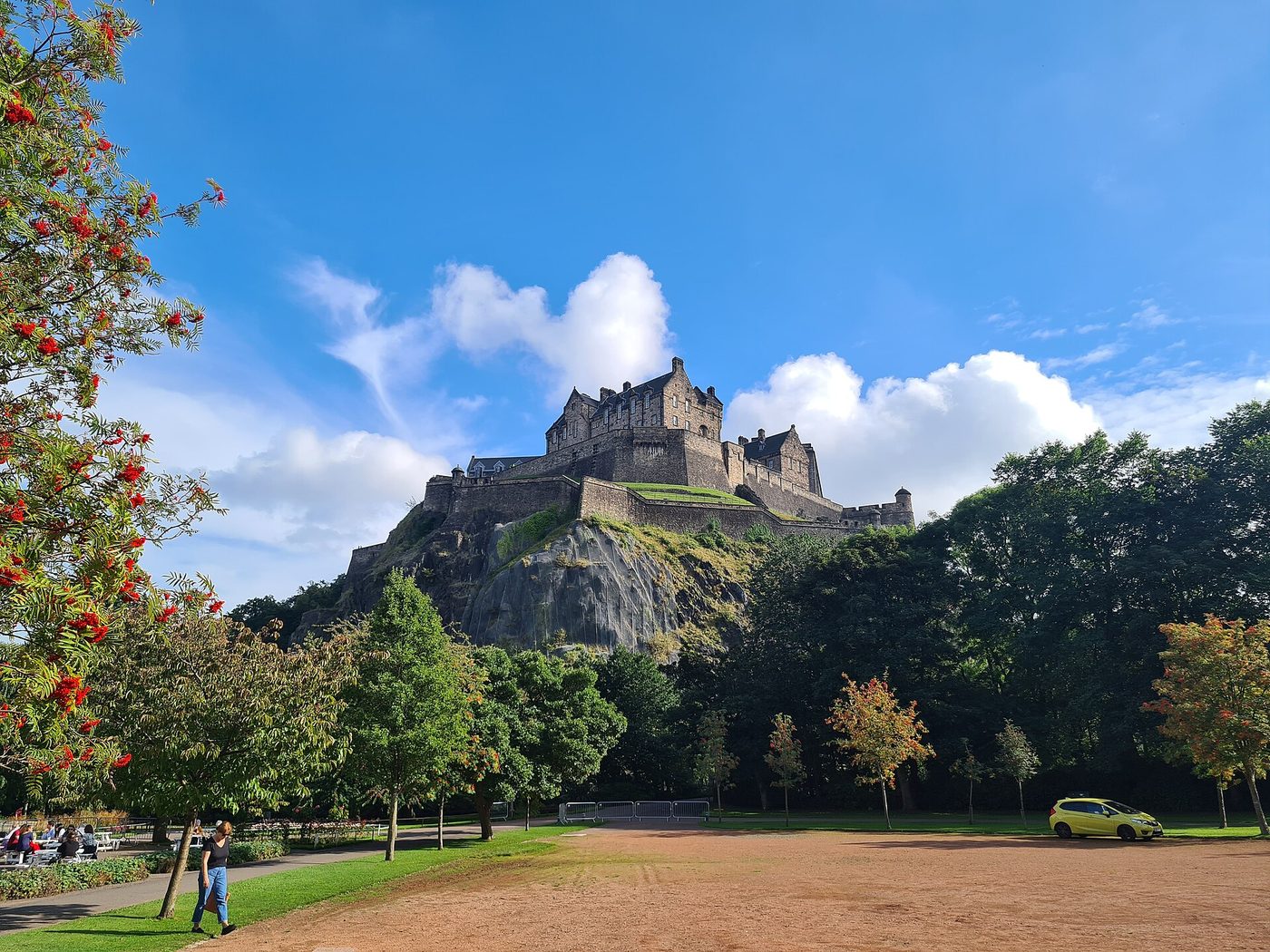
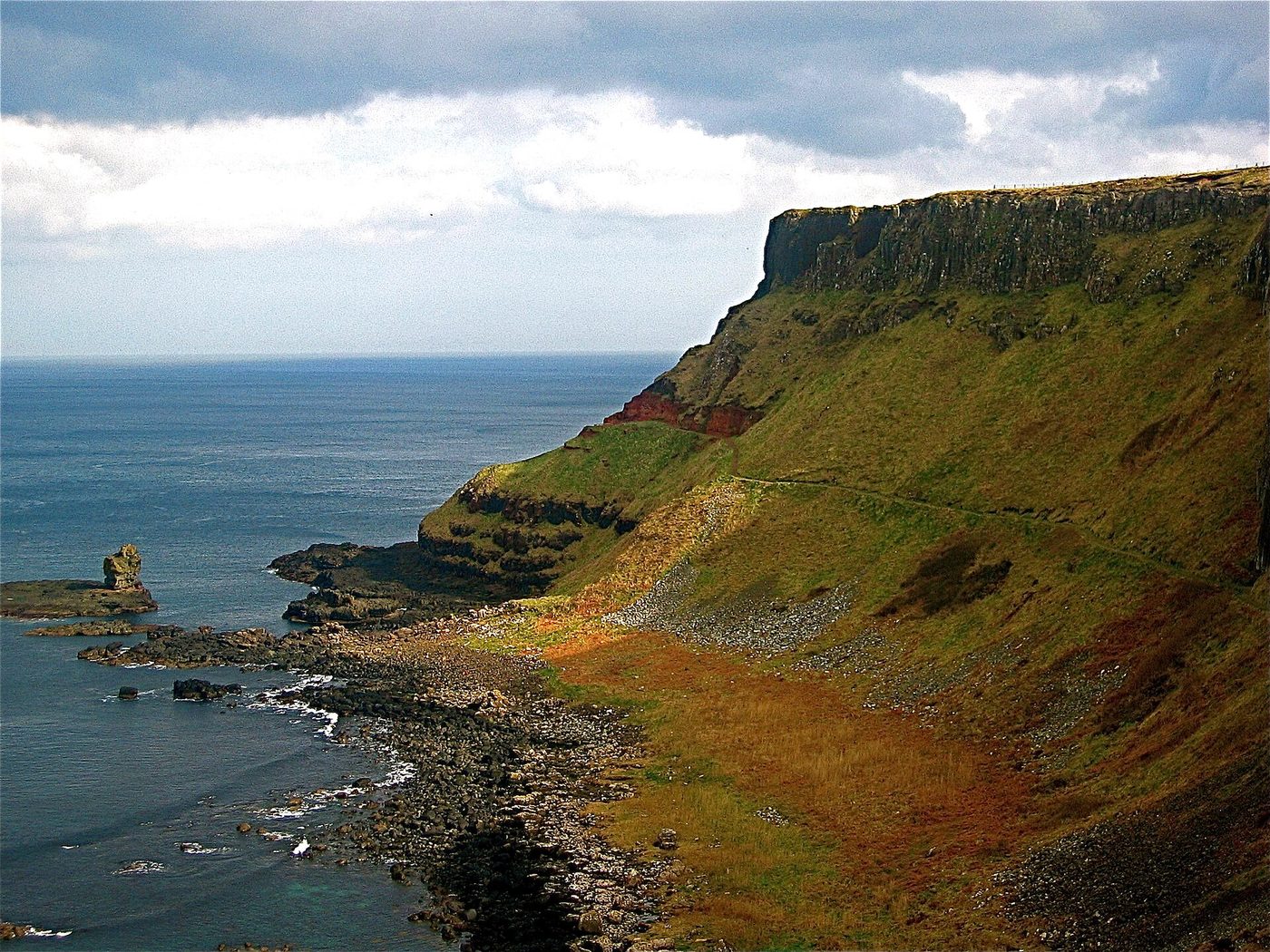
Famous buildings and sites: the Tower of London, Buckingham Palace, Westminster Abbey, the Houses of Parliament, Stonehenge, Edinburgh Castle, the Giant’s Causeway (Northern Ireland) and Hadrian’s Wall.
The highest mountains are Ben Nevis in Scotland (1,345 m, the highest in the UK), Snowdon in Wales (1,085 m), Scafell Pike in England (978 m) and Slieve Donard in Northern Ireland (850 m).
The longest river in the UK is the Severn; the River Thames flows through London. Loch Ness, in Scotland, is famous for its legend of a monster, and the Lake District in England is a national park.
Big cities: London, Birmingham, Manchester, Glasgow, Liverpool, Leeds and Edinburgh. London is the capital of the UK and a world financial centre.
The National Trust and the National Parks protect many of these places, and the Eden Project in Cornwall and the Angel of the North are well known modern attractions.