The history chapter is the longest of the handbook and many people find it the hardest, because it has so many names and dates. The test does not ask you to tell the whole story. It asks for the key events, the people linked to them and roughly when they happened.
Read the guide in order: it follows a timeline. Learn the bold dates first, then attach the people to them.
Part 1 of 5
Early Britain: prehistory, Romans, Anglo-Saxons and Vikings
The first people lived in Britain a very long time ago. Britain became an island about 10,000 years ago, when the sea rose.
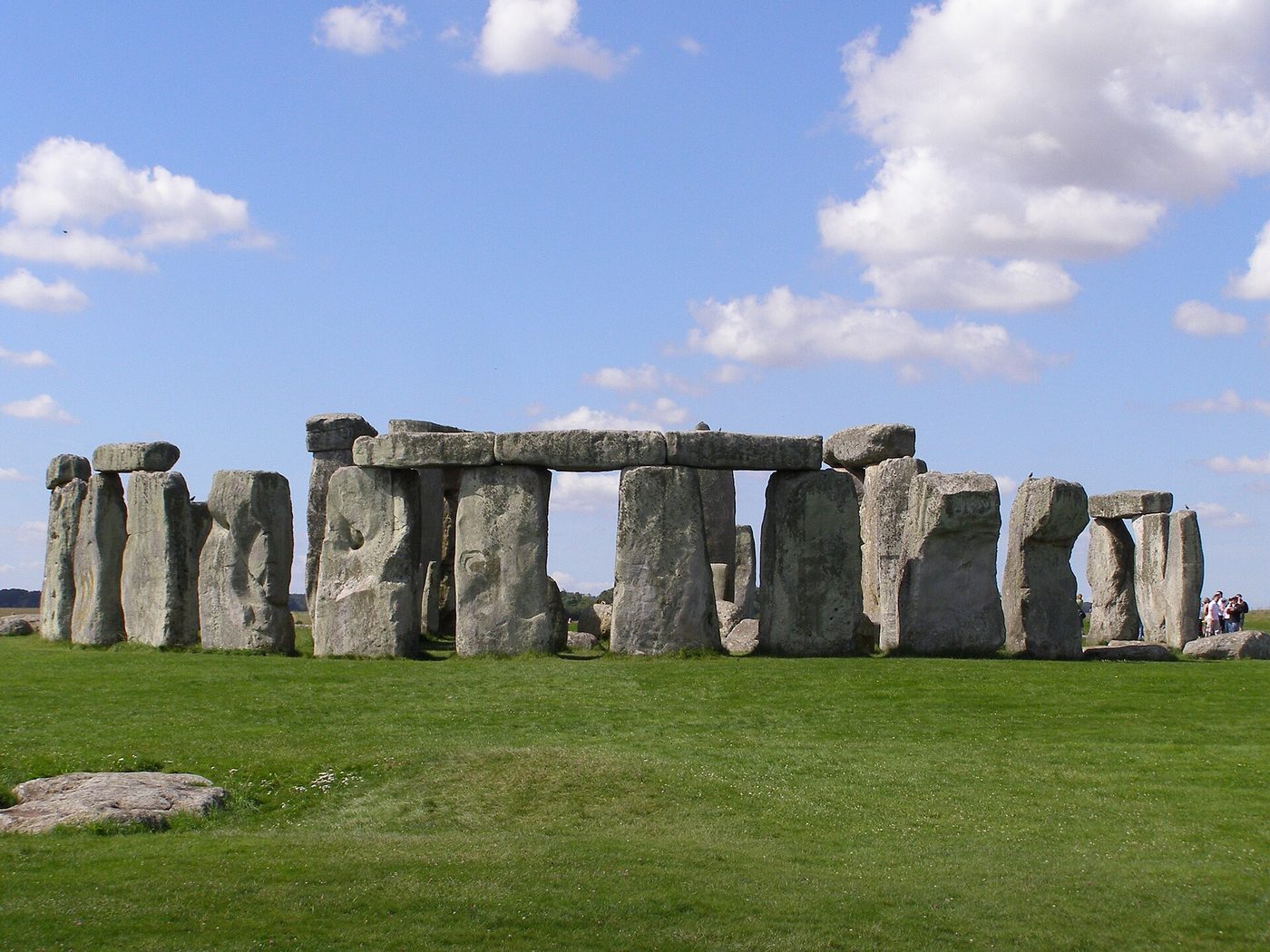
The Stone Age, Bronze Age and Iron Age: people built monuments such as Stonehenge and Skara Brae, and in the Iron Age the Celts lived in Britain.
Julius Caesar led Roman raids in 55 and 54 BC. In AD 43 the Emperor Claudius invaded, and the Romans stayed for about 400 years, until AD 410.
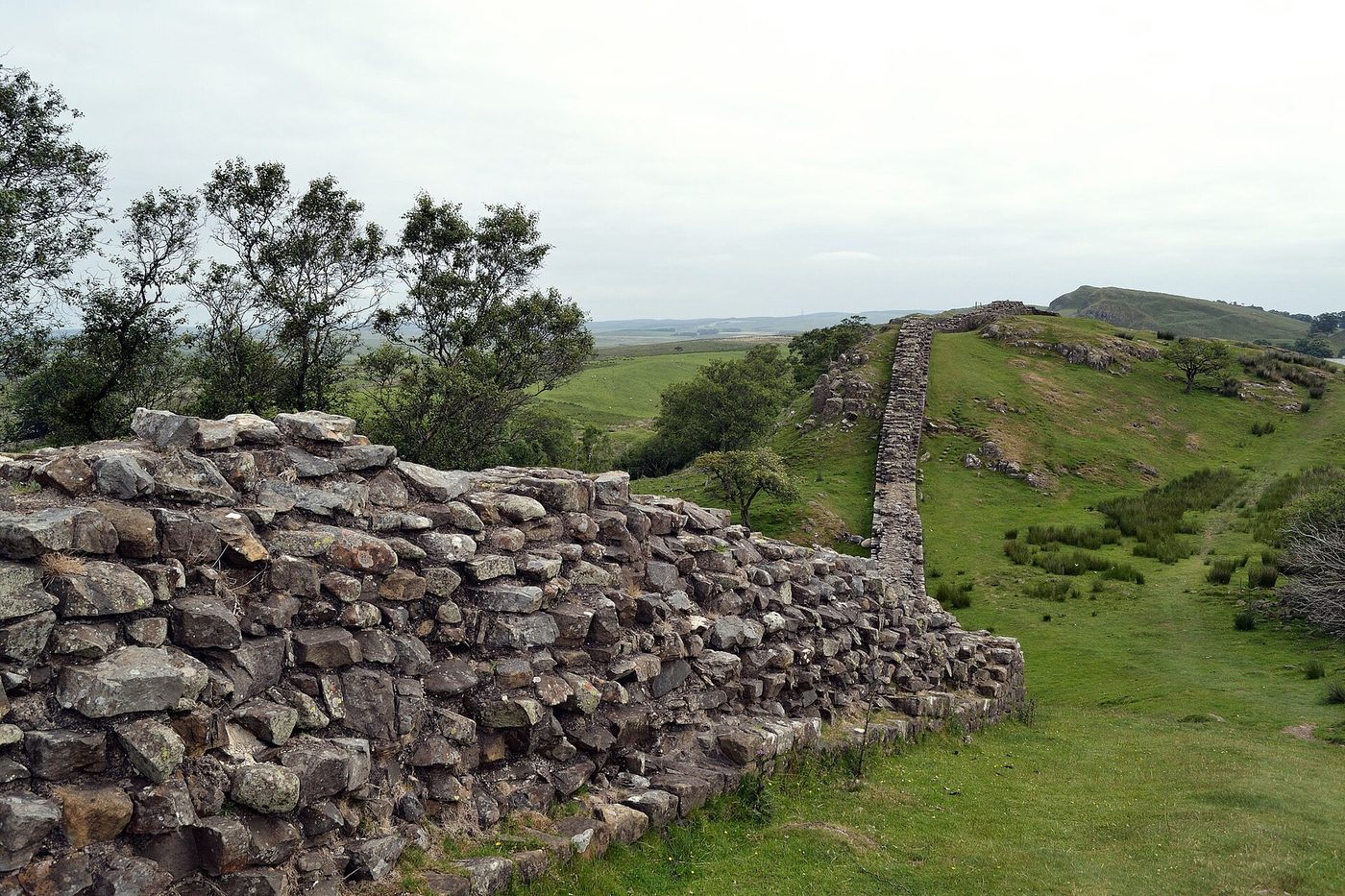
Boudicca, queen of the Iceni, led a revolt against the Romans (AD 60–61). The Romans built roads, towns such as Bath and London, and Hadrian’s Wall (about AD 122) in the north.
After the Romans left, the Angles, Saxons and Jutes came from Germany and Denmark (the Anglo-Saxons). England is named after the Angles. St Augustine brought Christianity to Kent in 597.
From the 8th century Vikings from Scandinavia raided and settled. Alfred the Great, King of Wessex (871–899), defeated them and made peace; the Vikings ruled the Danelaw.
Key words you will meet in the questions
Stone Age
the earliest period, with stone tools
Romans
people of the Roman Empire
Anglo-Saxons
settlers from Germany and Denmark
Vikings
raiders and settlers from Scandinavia
Celts
Iron Age peoples of Britain
Part 2 of 5
The Middle Ages: the Normans to the Tudors
The most important date of the Middle Ages is 1066, the last time that England was successfully invaded.
In 1066 William, Duke of Normandy, defeated King Harold at the Battle of Hastings and became King of England. The Bayeux Tapestry shows the story.
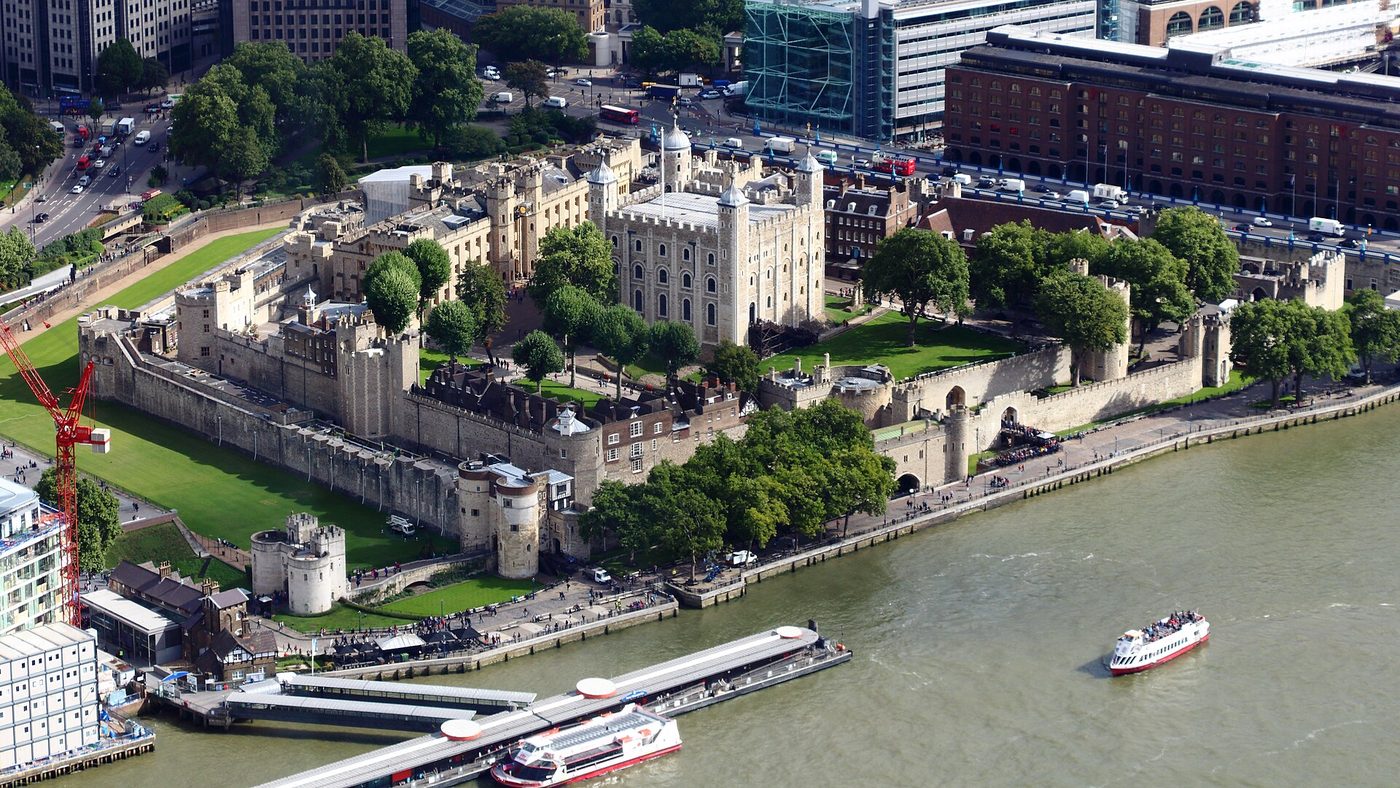
The Normans built castles, including the Tower of London, and the Domesday Book (1086) listed the land and property of the whole country.
In 1215 the barons forced King John to sign Magna Carta, which said that even the king must obey the law and that people could not be imprisoned without a fair trial. It is the base of many British liberties.
The first English Parliament grew in the 13th century. In 1348 the Black Death killed perhaps a third of the population. William Caxton brought the printing press to England in 1476.
The Hundred Years’ War against France included the English victory at Agincourt (1415). The Wars of the Roses ended in 1485, when Henry Tudor won at Bosworth and became Henry VII.
Exam tip: If you only learn one date of this period, learn 1066 (Hastings), then 1215 (Magna Carta).
Key words you will meet in the questions
Normans
people from Normandy who conquered England in 1066
Magna Carta
the Great Charter of 1215
Domesday Book
the survey of 1086
Black Death
the plague of 1348
Parliament
the group that makes laws
Part 3 of 5
Tudors, Stuarts and the Civil War
The 16th and 17th centuries changed religion and government in Britain.
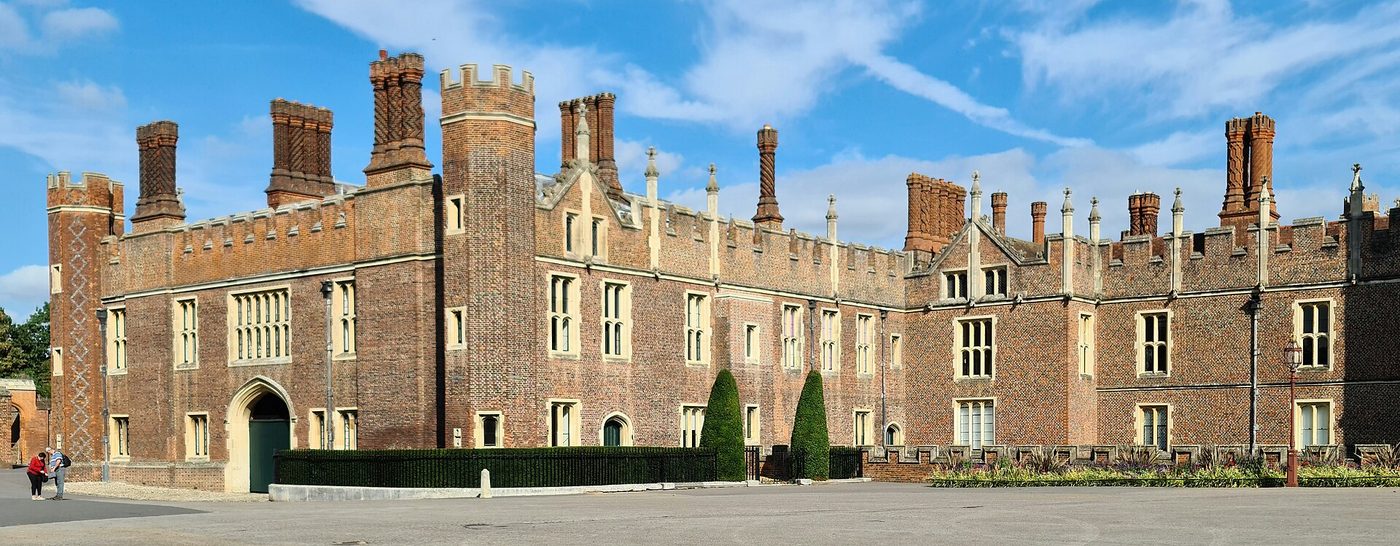
Henry VIII (1509–1547) broke with the Roman Catholic Church and made himself head of the Church of England; he had six wives. His daughter Elizabeth I (1558–1603) ruled for 45 years and defeated the Spanish Armada in 1588.
Shakespeare wrote plays and poems in this age. When Elizabeth died, James VI of Scotland became James I of England (1603), joining the two crowns.
The Civil War (1642–1651) was fought between the Royalists (Cavaliers), who supported King Charles I, and the Parliamentarians (Roundheads), led by Oliver Cromwell. Charles I was executed in 1649 and Britain was a republic for 11 years.
The monarchy returned in 1660 with Charles II (the Restoration). The Great Fire of London was in 1666. The Glorious Revolution (1688) brought William and Mary to the throne, and the Bill of Rights (1689) limited the power of the monarch.
The Act of Union of 1707 joined England and Scotland as Great Britain. In 1801 Ireland joined, forming the United Kingdom of Great Britain and Ireland.
Key words you will meet in the questions
Church of England
the national Protestant church
Civil War
war between King and Parliament
Bill of Rights
1689 law limiting the king’s power
Act of Union
law joining England and Scotland (1707)
Cromwell
leader of the Parliamentarians
Part 4 of 5
The Industrial Revolution, empire and the Victorians
In the 18th and 19th centuries Britain became the world’s first industrial country and the centre of the largest empire in history.
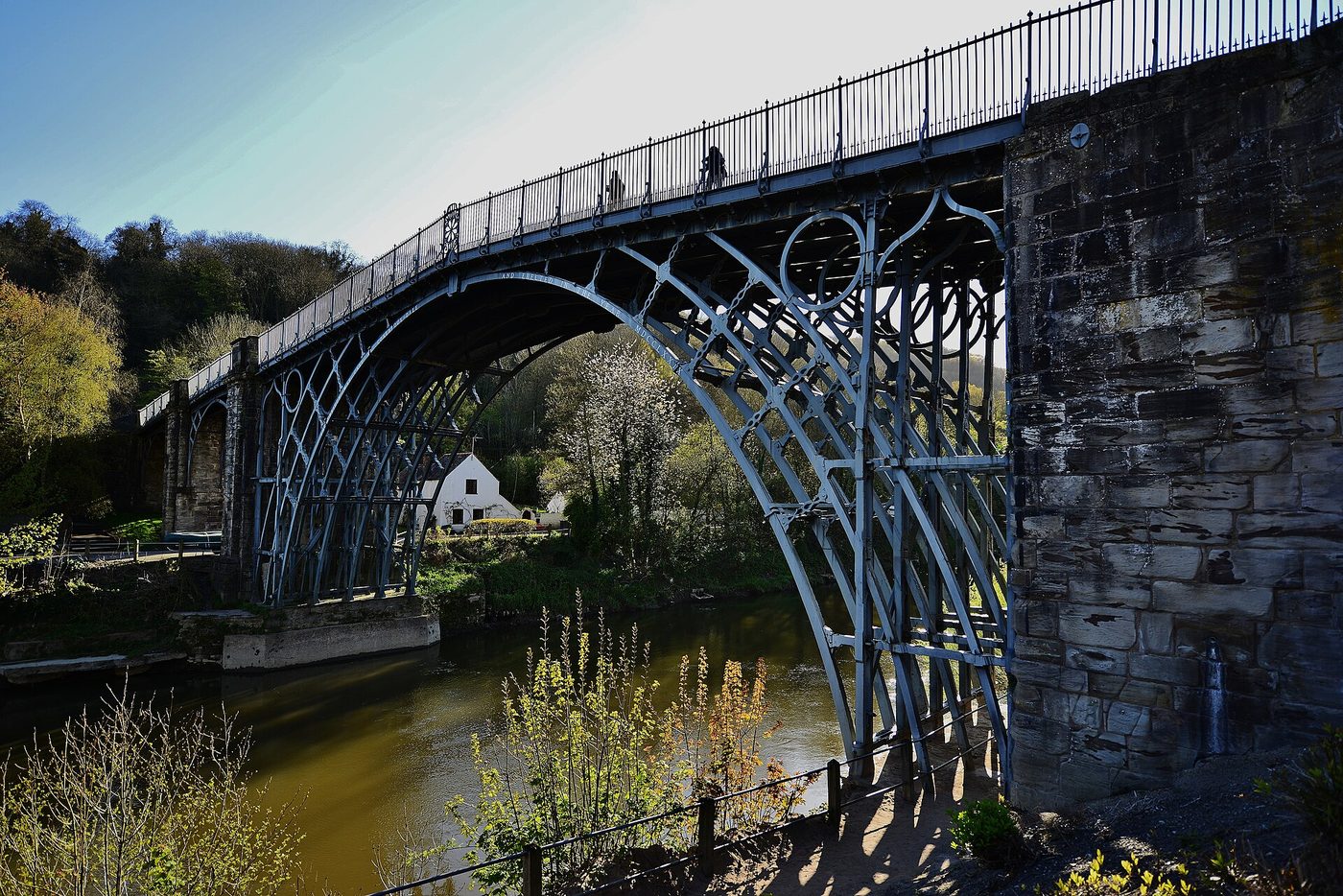
The Industrial Revolution brought factories, steam power, canals and railways. Famous names: James Watt (steam engine), George Stephenson (the Rocket locomotive) and Isambard Kingdom Brunel (engineer).
Queen Victoria reigned from 1837 to 1901. At that time Britain’s empire covered a quarter of the world. The Great Exhibition of 1851 showed British industry.
The slave trade was abolished in 1807 and slavery in the British Empire in 1833; William Wilberforce was a leading campaigner.
Reforms: the Reform Act of 1832 gave more men the vote, the Factory Acts improved working conditions, and Florence Nightingale changed nursing. Charles Darwin published “On the Origin of Species” in 1859.
The Irish potato famine (1845–1849) caused around a million deaths and made many people leave Ireland.
Key words you will meet in the questions
Industrial Revolution
the change to machines and factories
empire
many countries ruled by one
railway
a track for trains
abolition
ending something, such as slavery
Victorian
of the time of Queen Victoria
Part 5 of 5
The 20th century to today
Two world wars, the end of the empire and big social change made modern Britain.
The First World War (1914–1918) killed about a million people from the British Empire. It ended with the armistice of 11 November 1918, remembered every year on Remembrance Day.
Women over 30 won the vote in 1918, after the suffragettes led by Emmeline Pankhurst, and women got the vote on equal terms with men in 1928.
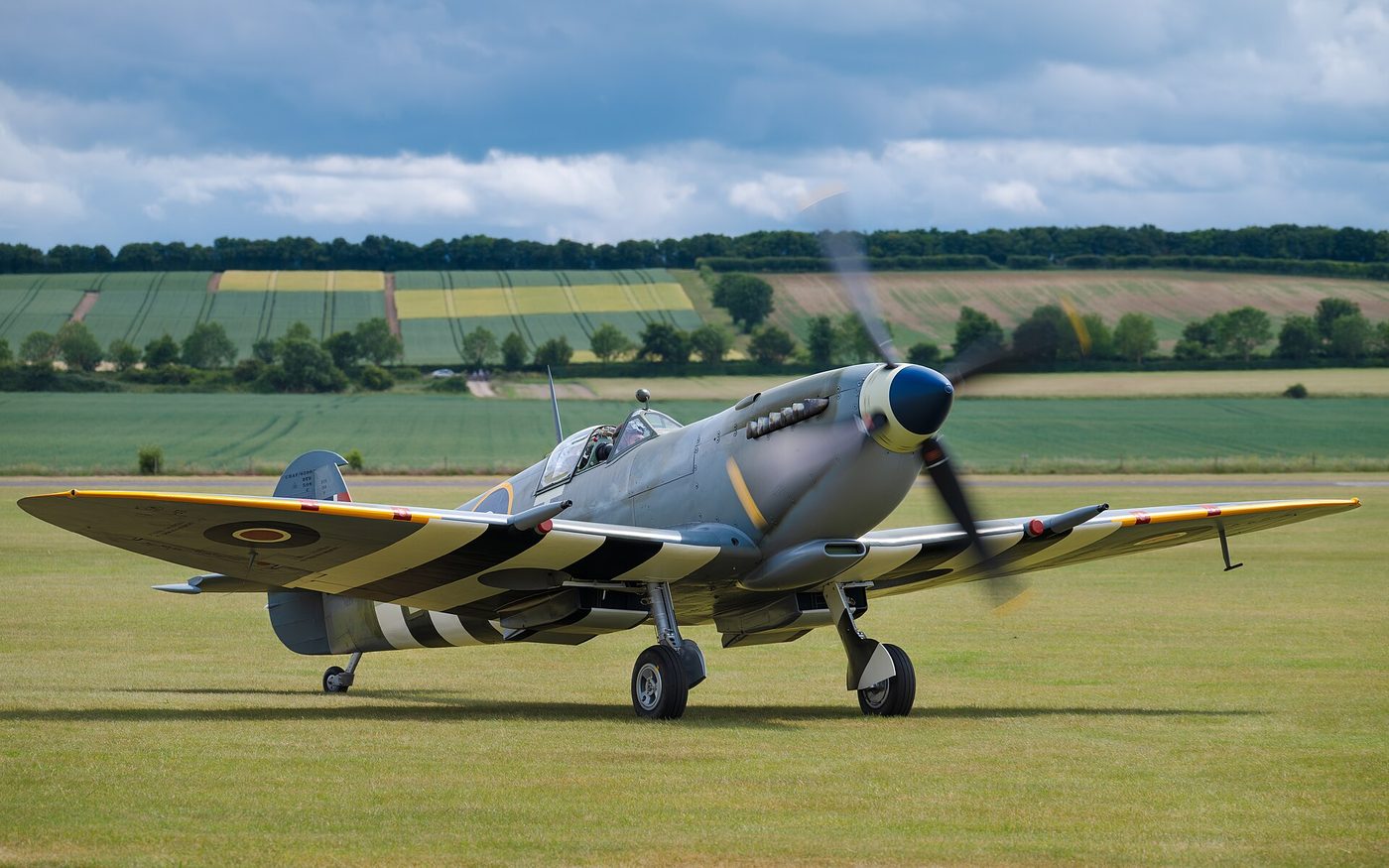
The Second World War (1939–1945): Winston Churchill was Prime Minister from 1940. The Battle of Britain (1940) was won by the RAF, with the Spitfire and the Hurricane. D-Day, 6 June 1944, began the liberation of Europe.
After the war the NHS was created (1948), and the empire became the Commonwealth as countries gained independence. In 1948 the ship Empire Windrush brought people from the Caribbean to work in Britain.
Britain joined the European Economic Community in 1973. Margaret Thatcher became the first woman Prime Minister in 1979. Devolution gave Scotland, Wales and Northern Ireland their own institutions in 1998–1999, and the Good Friday Agreement (1998) brought peace to Northern Ireland.
In 2012 London hosted the Olympic and Paralympic Games. In the referendum of 2016 the UK voted to leave the European Union, and it left on 31 January 2020.
Exam tip: Dates that come up often: 1066, 1215, 1588, 1707, 1837, 1914–1918, 1939–1945, 1948.
Key words you will meet in the questions
suffragette
a woman who campaigned for the vote
World War
a war across many countries
Commonwealth
a group of countries once in the empire
NHS
the National Health Service
devolution
transfer of powers to Scotland, Wales and NI
Remember for the exam
Romans AD 43–410 (Hadrian’s Wall); Anglo-Saxons; Vikings; Alfred the Great.
1066 Hastings (William of Normandy); 1215 Magna Carta (King John); 1485 Bosworth (Henry VII).
Henry VIII, Elizabeth I (1588 Armada), Civil War 1642–1651 (Cromwell), Bill of Rights 1689, Union with Scotland 1707.
Industrial Revolution; Victoria 1837–1901; slave trade abolished 1807 and slavery 1833.
Two world wars; women’s vote 1918 and 1928; NHS 1948; EEC 1973; devolution 1998–99; left the EU 2020.
Now practise this topic
Reading is the first step. Questions show you what you already know.
Study the questions on this topic
Every question of the bank on this topic, with its answer. Check yourself and mark what you do not know yet.