To apply for the EU long-term residence permit (permesso di soggiorno UE per soggiornanti di lungo periodo) in Italy you have to show that you know Italian at level A2 of the Common European Framework. There is no list of public civics questions: what is tested is your language.
This guide explains the level in plain words, the two ways to prove it and the vocabulary of the situations that the test uses.
Part 1 of 4
What level A2 means
A2 is the second level of the European scale, called “elementary”. It is the level of a person who can handle simple and routine situations.
You understand sentences and common words about things that matter to you: yourself, your family, shopping, the neighbourhood, work.
You can communicate in simple and routine tasks that need a direct exchange of information on familiar subjects, for example at the post office, in a shop or at the doctor.
You can describe in simple terms your background, your immediate environment and matters of immediate need.
You can write short and simple notes and messages, and fill in a form with personal data. Mistakes are accepted if the message is clear.
A1 is the level below (very basic) and B1 the level above (independent user), which is the one needed for citizenship.
Exam tip: A2 is not a high level: short, clear sentences about daily life are enough. The aim is to be understood.
Key words you will meet in the questions
livello A2
level A2, elementary
comprensione
comprehension (reading and listening)
produzione scritta
written production, writing
produzione orale
oral production, speaking
Quadro comune europeo
the Common European Framework (CEFR)
Part 2 of 4
The language test for the permit
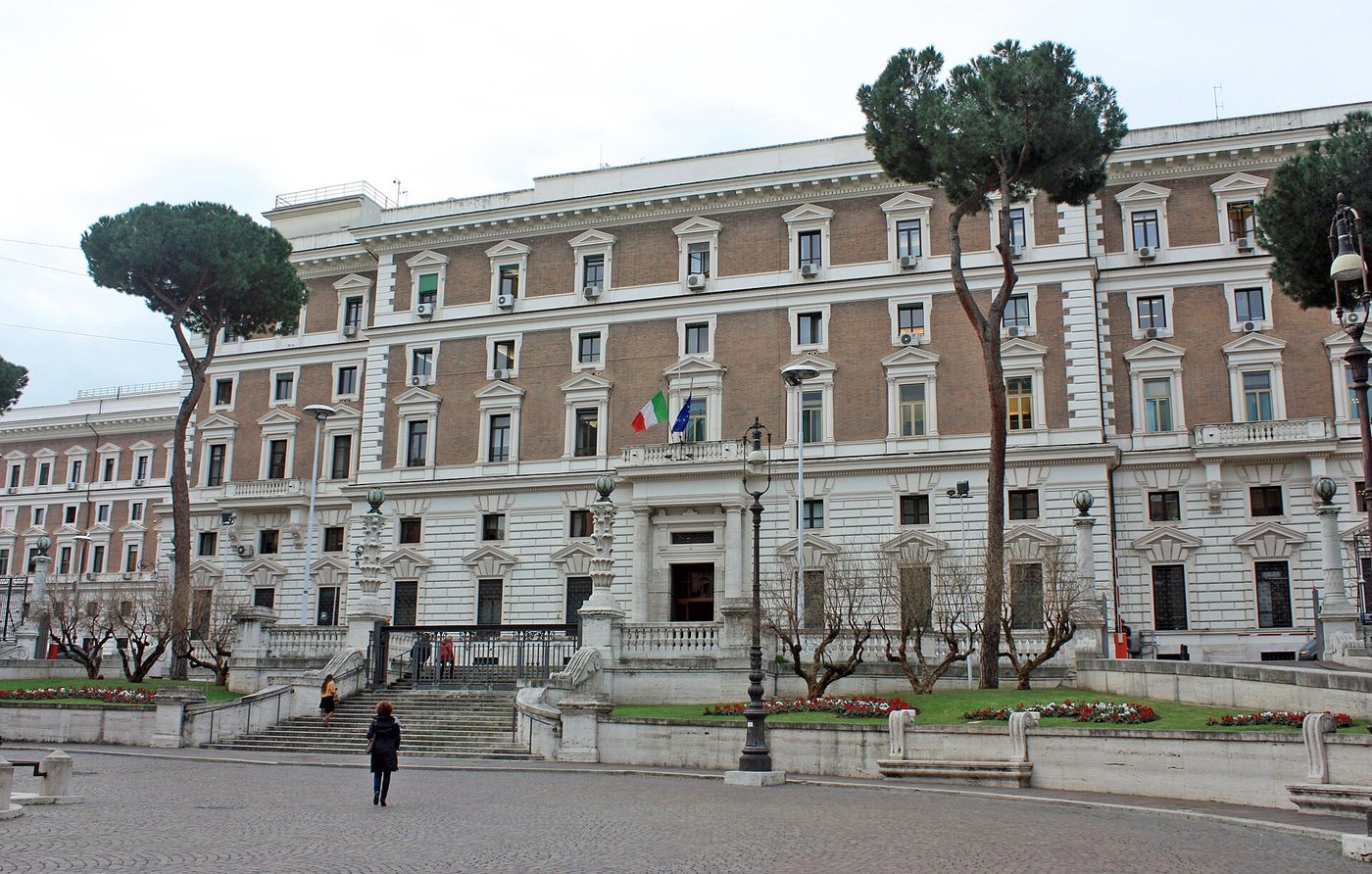
The Ministry of the Interior organises a test of the knowledge of the Italian language for the applicants of the long-term residence permit. The details depend on your province, so check them before you plan.
The test checks your Italian at level A2: you read short texts, listen to short recordings and write short answers, with simple questions on everyday situations.
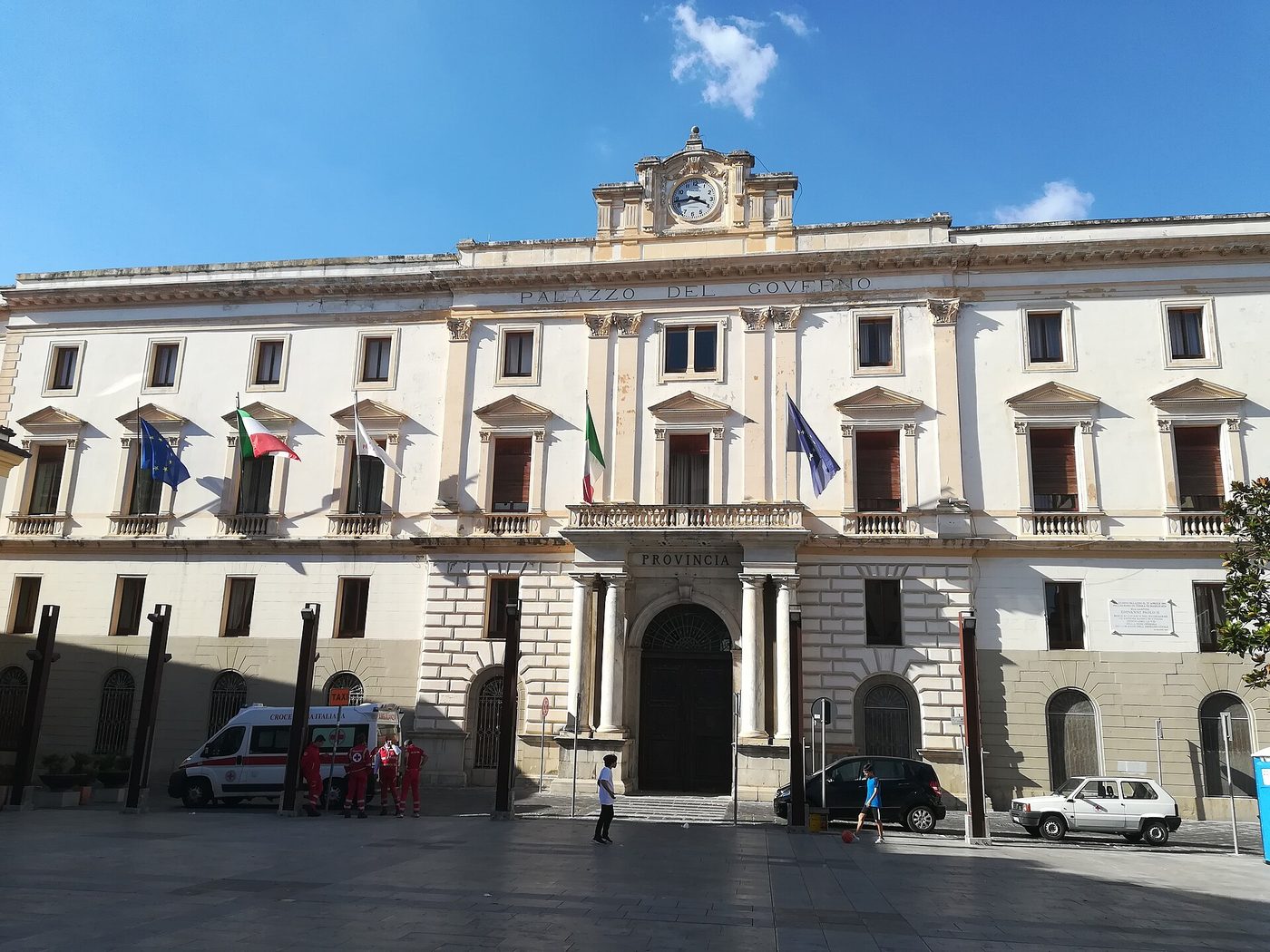
It is usually taken through the Prefettura of your province (the State office), and the Ministry of the Interior gives the application procedure, the date and the place.
The test is part of the file for the permit; it is a different thing from the “integration agreement” (accordo di integrazione) that new immigrants sign.
If you do not pass, you can take it again. Use the practice exams to find the parts that you need to improve.
Always read the current notice of the Ministry of the Interior and of your Prefettura, because the procedure, the booking system and the dates change.
Key words you will meet in the questions
la Prefettura
the State office of the province
il test di lingua
the language test
permesso di soggiorno
residence permit
soggiornante di lungo periodo
long-term resident
prenotazione
booking
Part 3 of 4
Certificates that prove A2
Instead of taking the test of the Prefettura you can show a certificate of Italian at level A2 or higher from a body that the State recognises.
The recognised certifying bodies are four universities and institutes: the University for Foreigners of Perugia (CELI), the University for Foreigners of Siena (CILS), the Società Dante Alighieri (PLIDA) and Roma Tre University (Cert.IT).
At level A2 the certificates are CELI 1, CILS A2, PLIDA A2 and Cert.IT A2. The exams have the four skills: reading, listening, writing and speaking.
The exam sessions are held at the universities and at many centres in Italy and abroad on fixed dates, and you pay a fee for registration.
Other documents can also prove the level, for example a diploma of an Italian school or a title of an Italian university. Ask your Prefettura which documents it accepts.
The list of recognised bodies and their levels is published by the Ministry of the Interior and the Ministry of Foreign Affairs, and it can change.
Key words you will meet in the questions
la certificazione
a language certificate
l’ente certificatore
the certifying body
l’Università per Stranieri
the University for Foreigners
la sessione d’esame
an exam session
la tassa d’iscrizione
registration fee
Part 4 of 4
The words and situations of A2
The test uses everyday situations. Learn the words of the places and the services that you use in Italy.
Personal data: nome, cognome, data di nascita, indirizzo, numero di telefono, codice fiscale, nazionalità, stato civile.
At the doctor and at the pharmacy: il medico, la farmacia, la ricetta, la febbre, il mal di testa, l’appuntamento, la tessera sanitaria.
Shopping, transport and the house: il negozio, il prezzo, il biglietto, il treno, l’autobus, l’affitto, il contratto, la bolletta.
Work and offices: il lavoro, lo stipendio, l’ufficio, il modulo, la domanda, il documento, la scadenza, la firma.
Time and routine: ieri, oggi, domani, la settimana, la mattina, la sera, di solito, sempre, mai; the present, the passato prossimo and the future with “andare a”.
Key words you will meet in the questions
il modulo
a form
la domanda
an application, a question
il codice fiscale
the tax code
l’appuntamento
appointment
la scadenza
expiry date, deadline
Remember for the exam
A2 for the EU long-term residence permit; B1 (with a certificate) for citizenship.
You prove A2 with the test of the Prefettura or with a certificate: CELI 1, CILS A2, PLIDA A2 or Cert.IT A2.
The test is about everyday situations: forms, the doctor, shopping, the house, work.
Check the current notice of the Ministry of the Interior and of your Prefettura before you book.
Now practise this topic
This exam tests your language, so practise the four skills and follow the course.
Practice exams
Full practice exams by level with reading, listening, writing and speaking parts.