Italy does not have a public bank of civics questions, but the language texts of the tests are about life in the country, and new immigrants meet the civic basics in the integration agreement and in the citizenship interview. This guide gives you the essentials in simple English and Arabic, with the Italian words.
Part 1 of 4
The Italian Republic and the Constitution
Italy is a parliamentary republic. It became a republic after a referendum, and the Constitution that guarantees the rights of all the people who live in the country came into force in 1948.
The Kingdom of Italy was founded in 1861, with the unification of the country, and Rome became the capital in 1871. In 1946, after the fall of fascism and the Second World War, the Italians chose the Republic in the referendum of 2 June.
Women voted for the first time in 1946. The Constitution begins with the principle that Italy is a democratic Republic based on work, and that sovereignty belongs to the people.
The Constitution recognises equality before the law, without distinction of sex, race, language, religion or political opinion, and it guarantees freedom of religion, of speech, of association and the right to health and to education.
Italy is a founder of the European Union (Treaty of Rome, 1957), and it has used the euro since 2002. The national day is the Festa della Repubblica, on 2 June, and the anthem is the “Inno di Mameli”.
The flag is the Tricolore: green, white and red, in three vertical stripes.
Exam tip: Remember: 2 June 1946 is the referendum, and 1 January 1948 is when the Constitution came into force.
Key words you will meet in the questions
la Repubblica
the Republic
la Costituzione
the Constitution
il referendum
a referendum
il Tricolore
the Italian flag
l’uguaglianza
equality
Part 2 of 4
The institutions
The State has three powers, and the President of the Republic watches over the Constitution.
The President of the Republic (Presidente della Repubblica) is the head of State, he is elected by the Parliament and the regional delegates for seven years, and lives in the Quirinale palace in Rome.
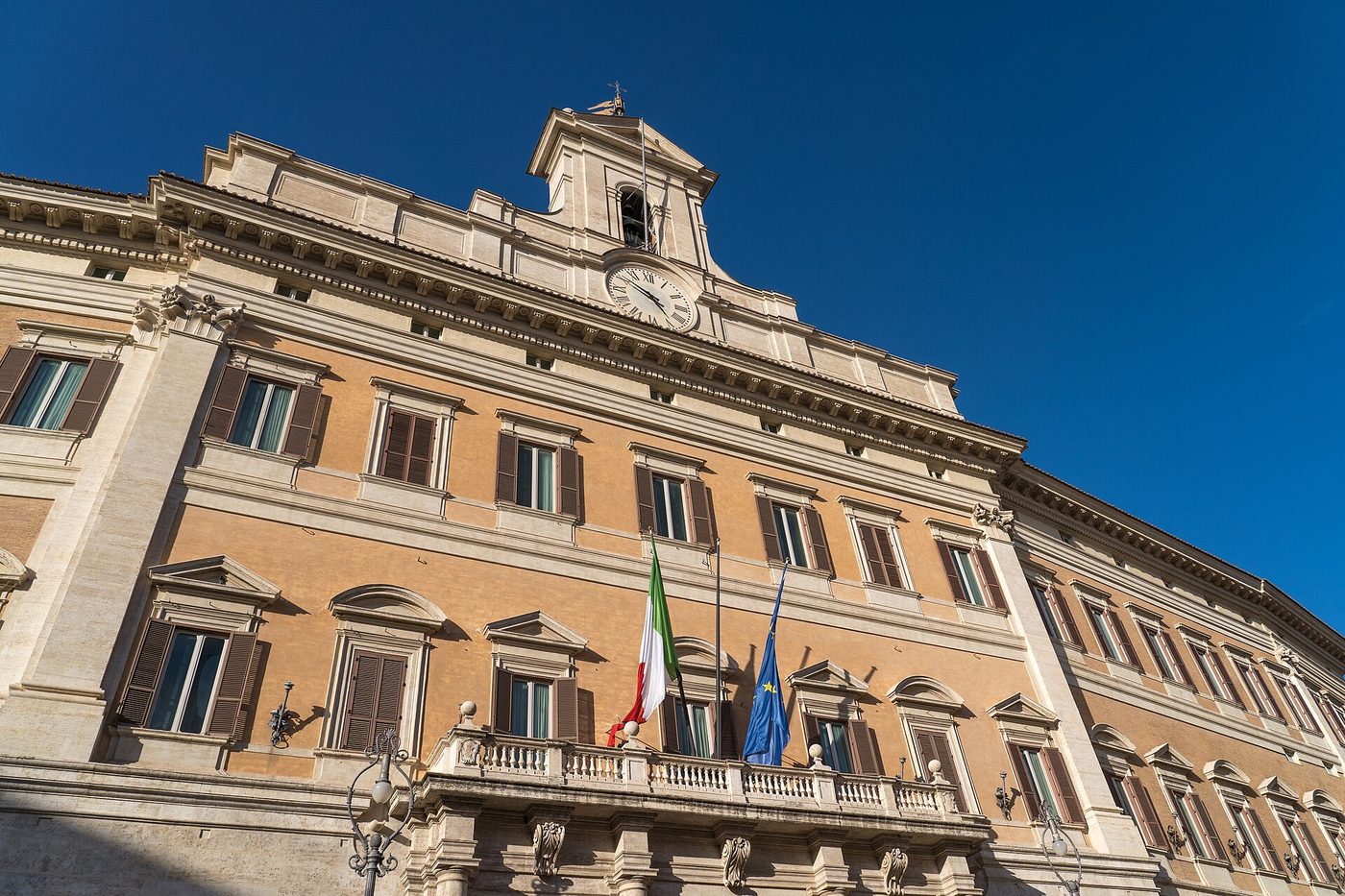
The Parliament has two chambers with the same powers: the Chamber of Deputies (Camera dei Deputati, in Palazzo Montecitorio) and the Senate (Senato della Repubblica, in Palazzo Madama). They make the laws, and the citizens elect them.
The Government (Governo) is led by the Prime Minister (Presidente del Consiglio dei Ministri), who is appointed by the President and needs the confidence of both chambers.
Justice is independent. The Constitutional Court (Corte costituzionale) checks that laws agree with the Constitution.
Italy has 20 regions (regioni), the provinces and the municipalities (comuni). Five regions have a special statute: Sicily, Sardinia, Valle d’Aosta, Trentino-Alto Adige and Friuli-Venezia Giulia. Vatican City and San Marino are independent states inside or beside Italy.
Key words you will meet in the questions
il Presidente della Repubblica
the President of the Republic
il Parlamento
the Parliament
il Governo
the Government
la Regione
the region
il Comune
the municipality
Part 3 of 4
Services and documents you will use
Many everyday situations in the language tests are about the services of the State. Know the names of the main documents and offices.
The tax code (codice fiscale) is a personal number that you need for work, the bank, a contract and the health service. The health card (tessera sanitaria) comes with it.
The National Health Service (Servizio Sanitario Nazionale, SSN) gives care to the registered residents. You choose a family doctor (medico di base); for an emergency you call 112, and you go to the emergency room (pronto soccorso).
School is compulsory from 6 to 16 years old, and public schools are free. After that, young people can go to a liceo, an istituto tecnico or an istituto professionale, or to a vocational course.
The residence permit (permesso di soggiorno) is asked at the post office with a kit and at the police office (Questura). The identity card is the carta d’identità, and the registration of the address is at the Comune (residenza anagrafica).
Offices often work by appointment (appuntamento) and there are many online services with a digital identity (SPID or CIE).
Key words you will meet in the questions
il codice fiscale
the tax code
la tessera sanitaria
the health card
il medico di base
the family doctor
il pronto soccorso
the emergency room
la Questura
the police headquarters (permits)
Part 4 of 4
Holidays, customs and places
Italian life follows a calendar of holidays, and the texts of the tests often speak about the places and the customs.
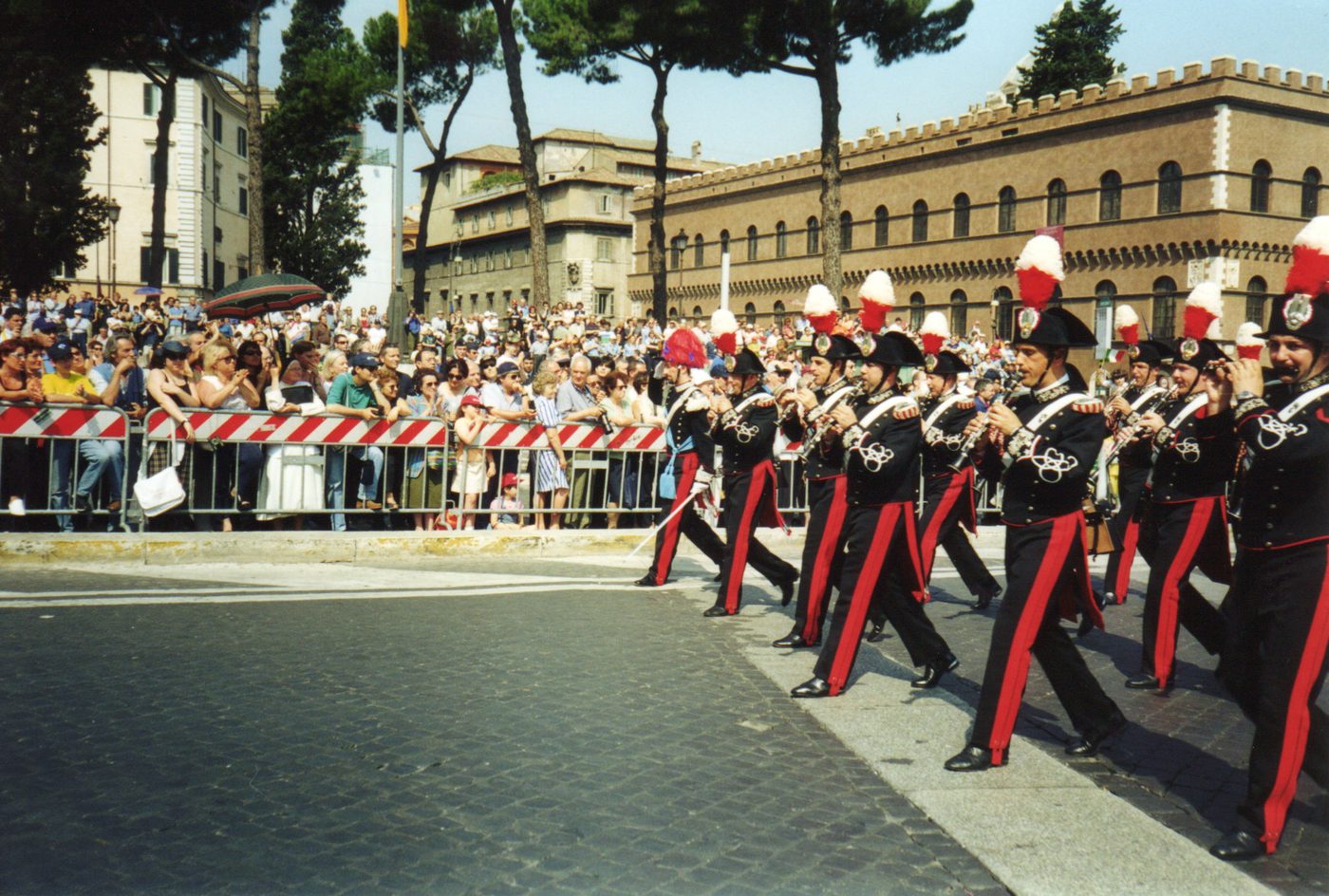
The national holidays: 1 January, 6 January (Epifania), Easter Monday, 25 April (Liberation Day, Festa della Liberazione, which remembers the end of the German occupation in 1945), 1 May, 2 June, 15 August (Ferragosto), 1 November, 8 December, 25 December and 26 December (Santo Stefano).
Typical customs: the coffee at the bar (an espresso drunk at the counter), the long lunch on Sunday with the family, the “passeggiata” in the evening and the greeting with two kisses between friends. Use “tu” with friends and “Lei” with people you do not know.
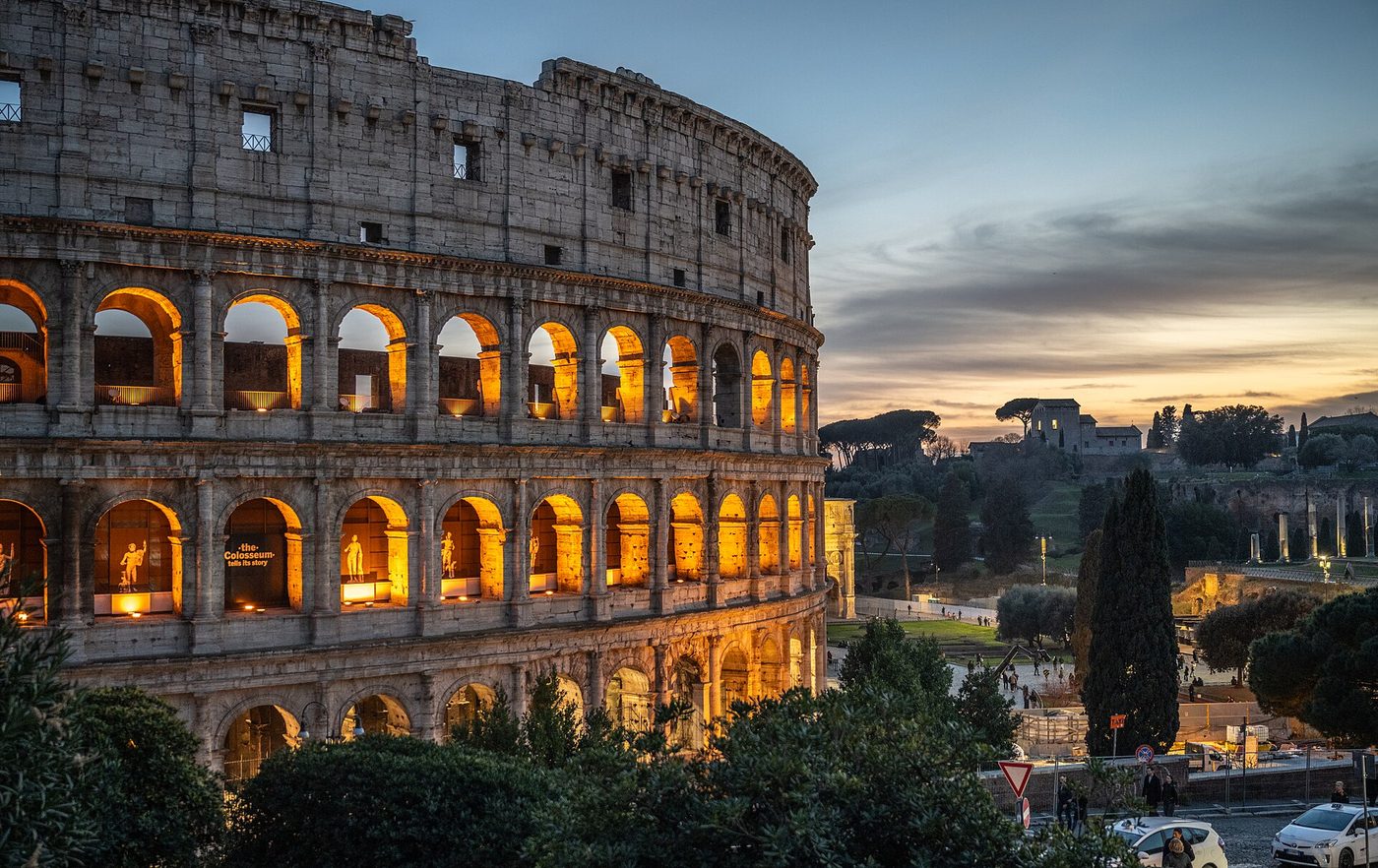
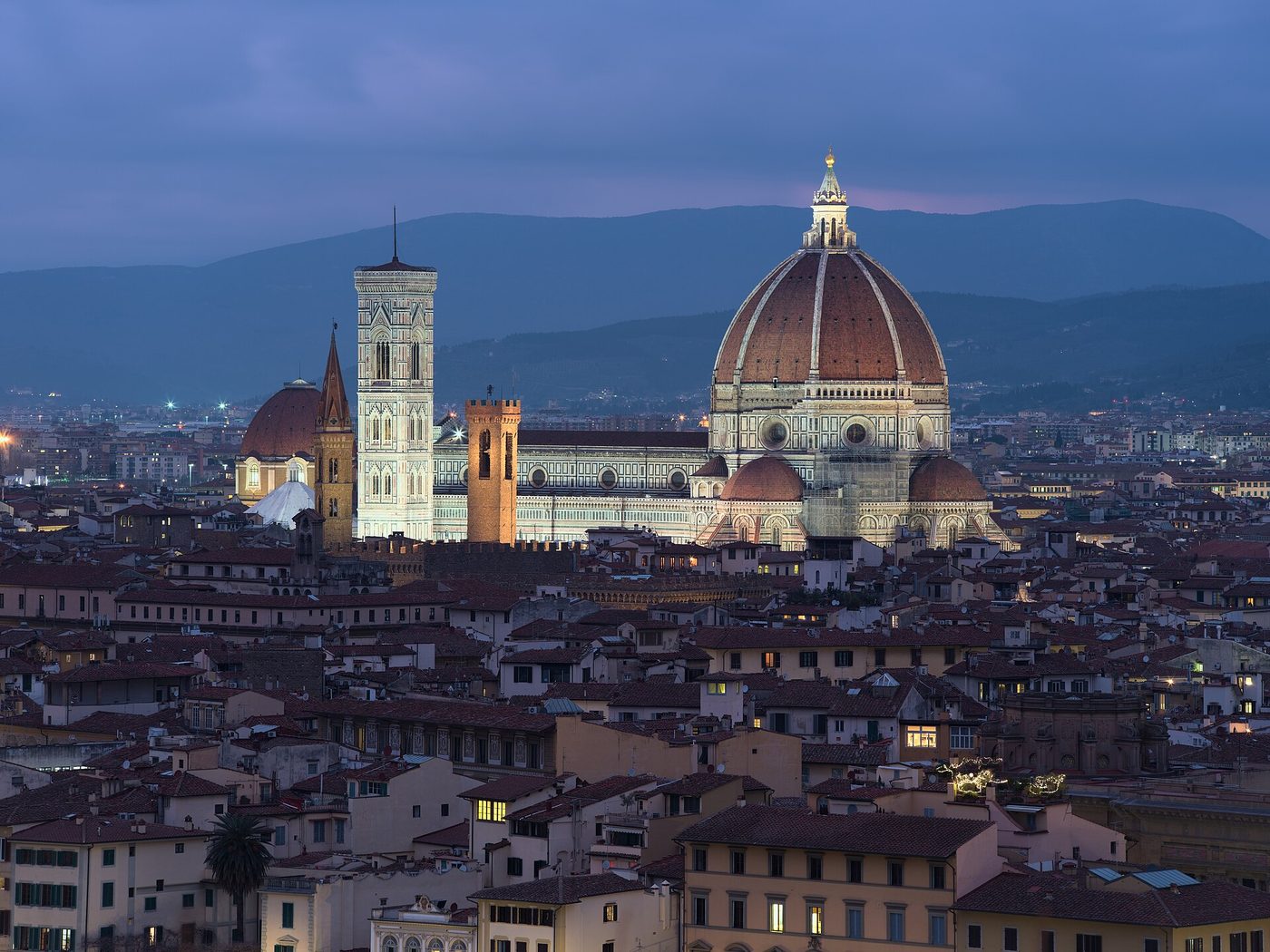
Italy is famous for its art and its history: Rome (the Colosseum, the Vatican), Florence (the Duomo, the Uffizi), Venice, Milan (the Duomo and La Scala), Naples and Pompeii, and Sicily.
Famous Italians: Dante (the Divine Comedy), Leonardo da Vinci, Michelangelo, Galileo, Verdi and Puccini. Italian food (pasta, pizza, olive oil, coffee) is part of the heritage, and the family meal is an important moment.
Key words you will meet in the questions
la festa
a holiday, a party
Ferragosto
15 August, the summer holiday
la passeggiata
the evening walk
dare del Lei
to use the formal “Lei”
il patrimonio
heritage
Remember for the exam
Republic since the referendum of 2 June 1946; Constitution in force from 1 January 1948; capital Rome.
President of the Republic (Quirinale), Parliament with two chambers, Prime Minister; 20 regions.
Codice fiscale, tessera sanitaria, medico di base, 112 for emergencies; school from 6 to 16.
Holidays: 25 April, 1 May, 2 June, 15 August; “tu” with friends and “Lei” with strangers.
Now practise this topic
This exam tests your language, so practise the four skills and follow the course.
Practice exams
Full practice exams by level with reading, listening, writing and speaking parts.