The last historical part of the test covers the 20th century and today. The officer may ask who was the president in a war, what the United States fought for, or what a civil rights leader did. Learn the wars, the years and the names.
Part 1 of 3
The world wars and the Great Depression
The United States entered both world wars and became a world power.
World War I (1914–1918): the United States entered in 1917, under President Woodrow Wilson, and fought alongside Britain and France against Germany.
The Great Depression began in 1929 after the stock market crash. Many people lost their jobs. President Franklin D. Roosevelt (FDR) was elected in 1932 and led the country through the Depression and World War II; his policies were called the New Deal.
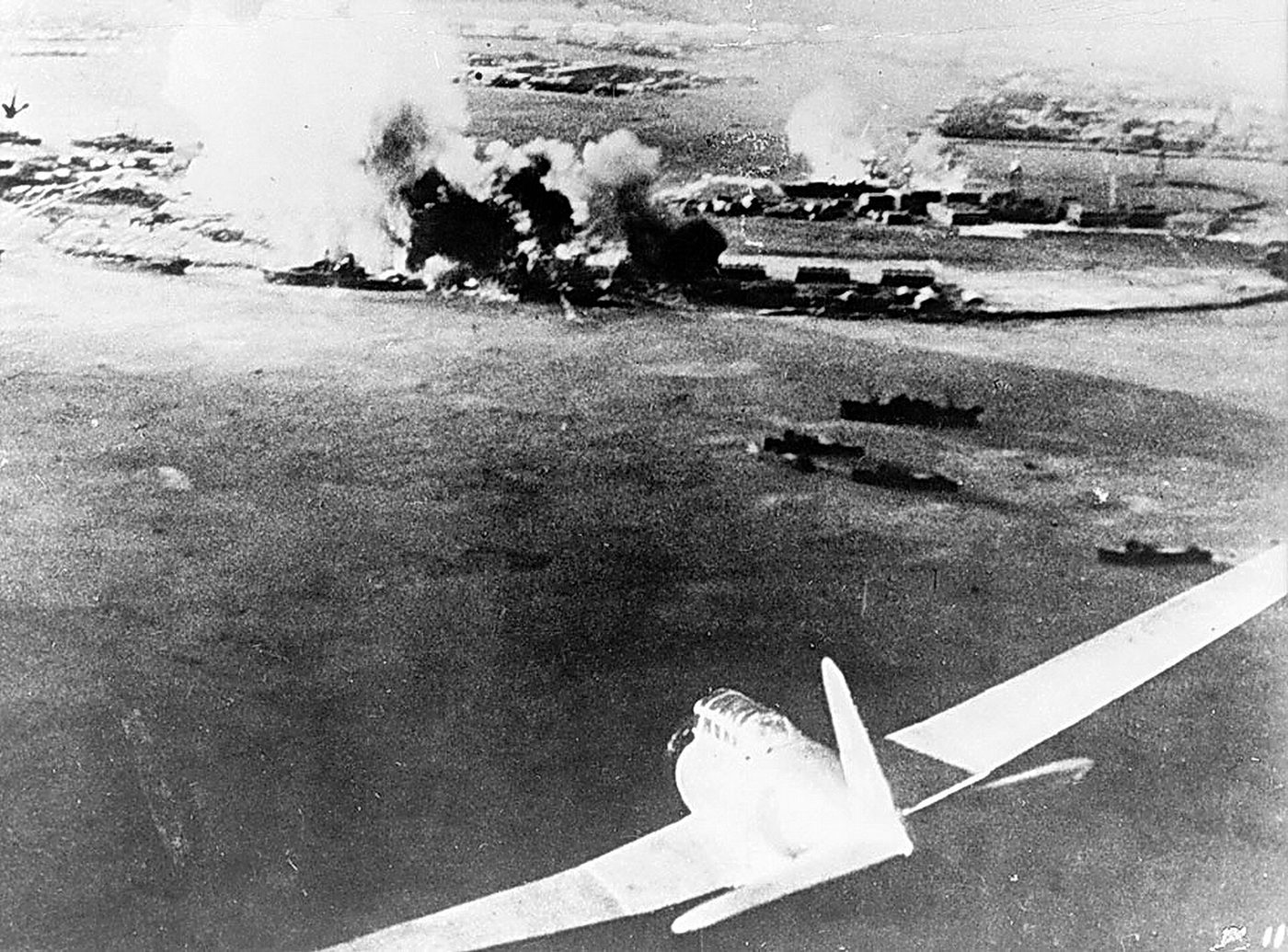
World War II (1939–1945): Japan attacked Pearl Harbor, Hawaii, on 7 December 1941, and the United States entered the war. It fought against Germany, Italy and Japan (the Axis) with Britain, France and the Soviet Union (the Allies).
General Dwight Eisenhower led the Allied forces in Europe and later became president. The war ended in 1945. The United States and its allies freed Europe and the Holocaust ended.
Exam tip: Pearl Harbor, 7 December 1941, is the reason the United States entered World War II.
Key words you will meet in the questions
World War I / II
the world wars of 1914–1918 and 1939–1945
Great Depression
the economic crisis of the 1930s
Pearl Harbor
the Japanese attack of 7 December 1941
Allies
the countries fighting Germany and Japan
New Deal
FDR’s programmes against the Depression
Part 2 of 3
The civil rights movement
In the 1950s and 1960s, African Americans and their allies fought segregation, which separated people by race, and won equal rights by law.
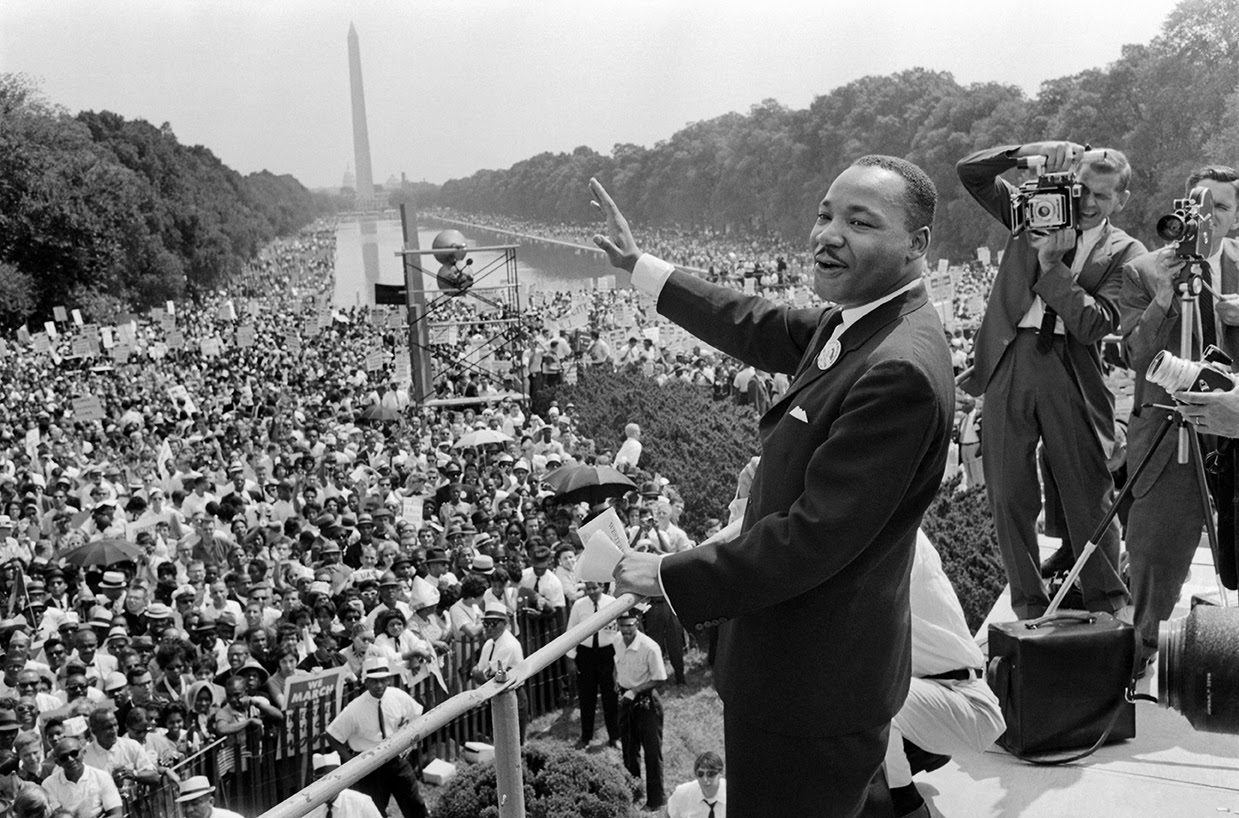
Martin Luther King Jr. was the best known leader. He fought for civil rights for all Americans using peaceful protest, and he gave the “I Have a Dream” speech at the March on Washington in 1963.
Rosa Parks refused to give up her seat on a bus in Montgomery, Alabama, in 1955, which began a boycott of the buses.
The Civil Rights Act of 1964 banned discrimination in public places and at work, and the Voting Rights Act of 1965 protected the right to vote.
The Supreme Court decision Brown v. Board of Education (1954) ended segregation in public schools. Other leaders include Jackie Robinson (the first Black player in major league baseball).
Women’s rights also grew, with leaders such as Susan B. Anthony earlier and later with the 1960s and 1970s movements.
Key words you will meet in the questions
civil rights
equal rights for all citizens
segregation
separation of people by race
boycott
refusing to use or buy something as a protest
discrimination
unfair treatment
protest
a public act of disagreement
Part 3 of 3
The Cold War, space and today
After World War II the United States and the Soviet Union competed in a struggle without direct war, the Cold War.
The Cold War was a struggle between the United States, a democracy, and the Soviet Union, which was communist. It ended in 1991 when the Soviet Union broke up.
The United States also fought in the Korean War (1950–1953) and the Vietnam War (1955–1975), to stop the spread of communism. Soldiers also fought in the Gulf War (1991) and in Afghanistan and Iraq.
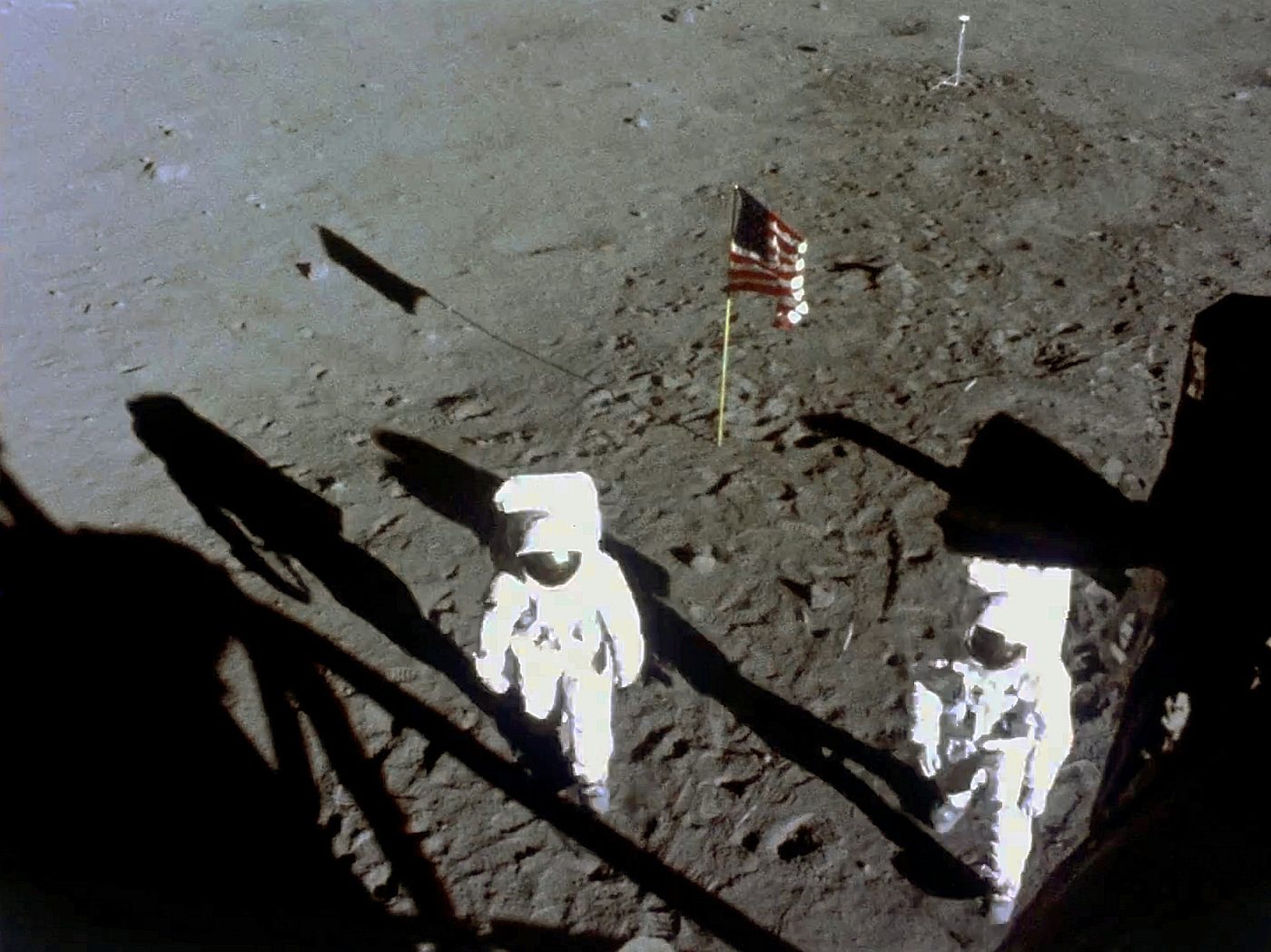
In 1969 Neil Armstrong was the first person to walk on the Moon, on the Apollo 11 mission.
On 11 September 2001, terrorists attacked the United States: planes hit the World Trade Center in New York and the Pentagon, and nearly 3,000 people died. The country passed new security laws after the attack.
Famous presidents of the 20th century: Theodore Roosevelt, Woodrow Wilson, Franklin D. Roosevelt, Harry Truman, Dwight Eisenhower, John F. Kennedy and Ronald Reagan.
Key words you will meet in the questions
Cold War
the struggle between the U.S. and the Soviet Union
communism
a system with no private property, run by the State
terrorist
a person who uses violence to scare people
Soviet Union
the communist state of 1922–1991
Moon landing
the Apollo 11 landing of 1969
Remember for the exam
WWI: 1917, Wilson; Great Depression from 1929, FDR; WWII: Pearl Harbor 7 December 1941, Eisenhower.
Civil rights: Martin Luther King Jr., Rosa Parks; Civil Rights Act 1964; Voting Rights Act 1965.
Cold War against the Soviet Union (communism); Korean and Vietnam Wars; Moon landing 1969.
11 September 2001: terrorist attacks on New York and the Pentagon.
Now practise this topic
Reading is the first step. Questions show you what you already know.
Study the questions on this topic
Every question of the bank on this topic, with its answer. Check yourself and mark what you do not know yet.