This is the most colourful part of the CCSE and the one many people enjoy most. It asks about famous Spaniards, typical festivals and traditions, food and the national holidays.
Learn the names with what each person or thing is known for. A question is often simply “who painted…?” or “where is the festival of…?”.
Part 1 of 4
Writers, painters and architects
Spain has given the world some of its best known works of literature, painting and architecture.
Miguel de Cervantes wrote Don Quixote (El Quijote), considered the first modern novel. It is the best known Spanish book. 23 April is Book Day (Día del Libro).
Other writers: Federico García Lorca (poet and playwright, from Granada), Antonio Machado, and Camilo José Cela, Juan Ramón Jiménez and Vicente Aleixandre, who won the Nobel Prize in Literature.
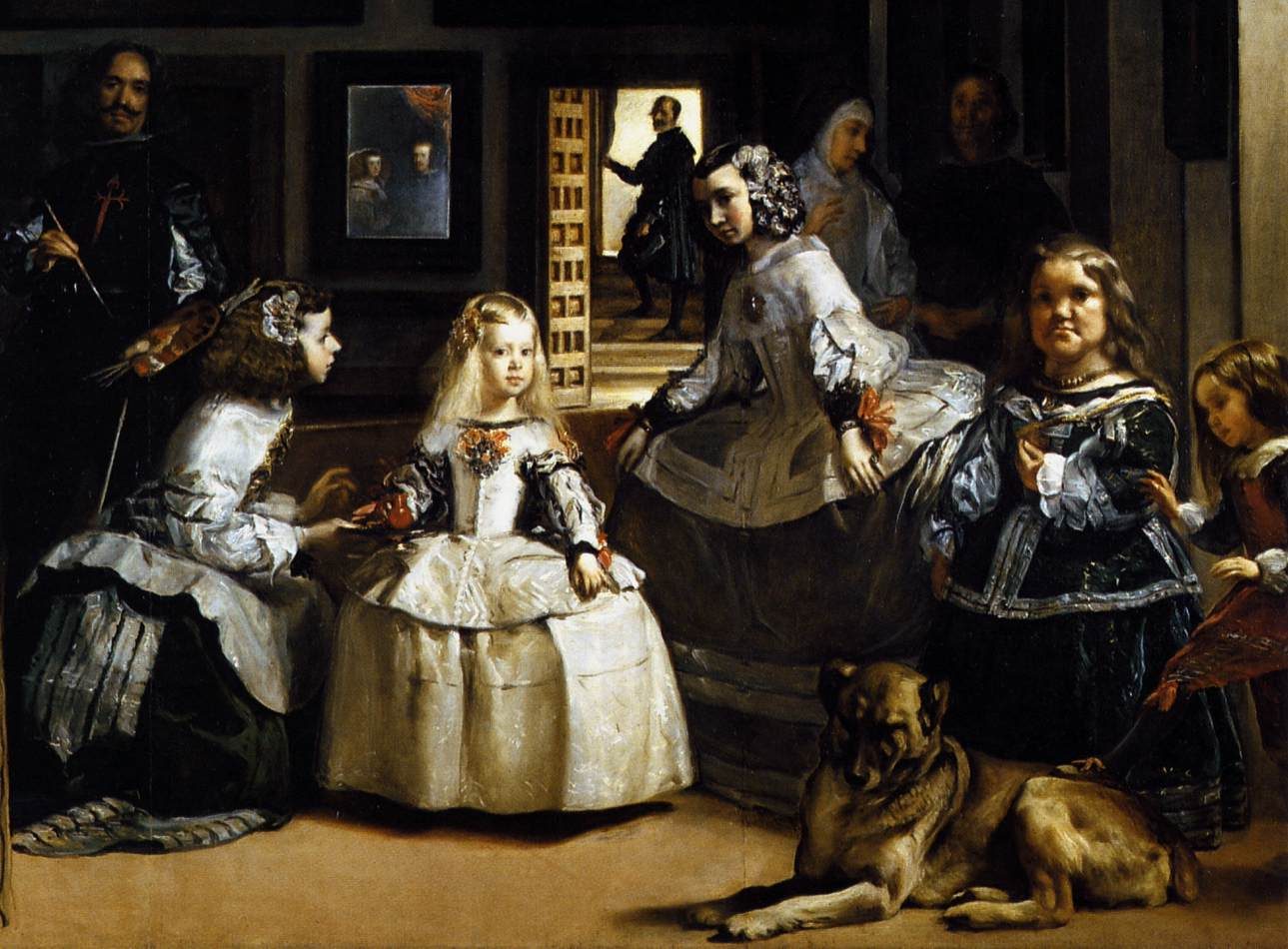
Painters: Diego Velázquez (Las Meninas, 17th century), Francisco de Goya (the Black Paintings, “The Third of May 1808”), Pablo Picasso (Guernica, 1937), Salvador Dalí and Joan Miró.
Architecture: Antoni Gaudí designed the Sagrada Familia, Park Güell and Casa Batlló in Barcelona. The Alhambra of Granada and the Mosque of Córdoba are Moorish masterpieces.
Famous museums: the Prado, the Reina Sofía (where Guernica is shown) and the Thyssen-Bornemisza in Madrid, and the Guggenheim in Bilbao.
Exam tip: Learn pairs: Cervantes – Don Quixote, Velázquez – Las Meninas, Picasso – Guernica, Gaudí – Sagrada Familia.
Key words you will meet in the questions
novela
novel
pintor
painter
escritor
writer
arquitecto
architect
museo
museum
Part 2 of 4
Music, dance and cinema
Music and dance are an important part of Spanish culture and differ a lot from region to region.
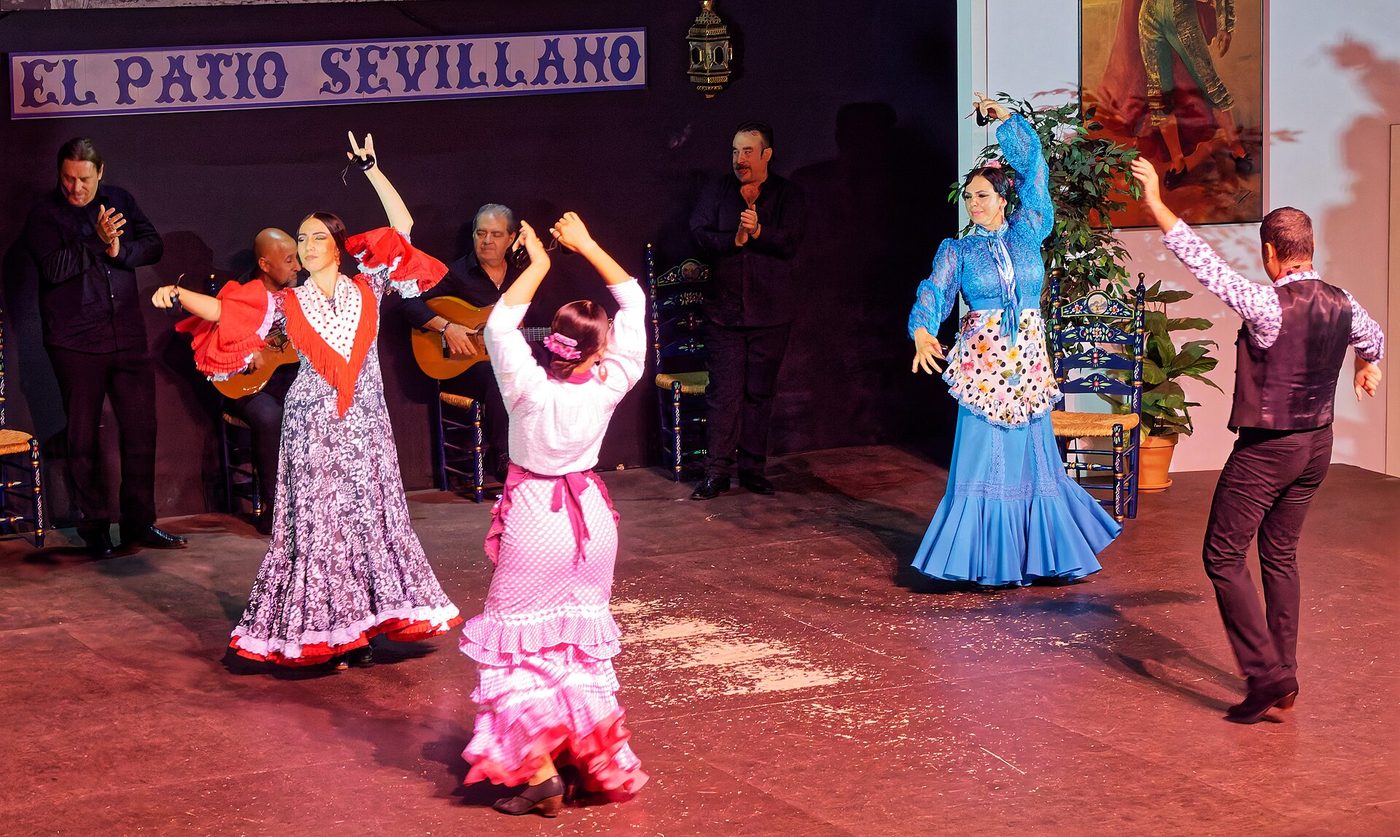
Flamenco comes from Andalucía. It combines singing (cante), guitar (toque) and dance (baile). UNESCO declared it Intangible Cultural Heritage of Humanity in 2010.
Other typical dances: the jota (Aragón), the sardana (Cataluña), the muñeira (Galicia) and the sevillanas.
Famous musicians and composers: Manuel de Falla, Isaac Albéniz, Joaquín Rodrigo (the Concierto de Aranjuez), the guitarist Andrés Segovia and Paco de Lucía, the singers Plácido Domingo and Montserrat Caballé.
The most famous Spanish film directors are Luis Buñuel and Pedro Almodóvar. The Goya Awards are the main film prizes in Spain.
Typical instruments: the Spanish guitar, the castanets (castañuelas) and the bagpipe (gaita) in Galicia and Asturias.
Key words you will meet in the questions
flamenco
flamenco (song, guitar and dance of Andalucía)
guitarra
guitar
castañuelas
castanets
baile
dance
director de cine
film director
Part 3 of 4
Festivals and public holidays
Spain has many festivals. Some are national public holidays, and others belong to a town or a region.
National holidays include 1 January (New Year), 6 January (Epiphany, when children get presents from the Three Kings), 1 May (Labour Day), 15 August (Assumption), 12 October (National Day), 1 November (All Saints), 6 December (Constitution Day), 8 December (Immaculate Conception) and 25 December (Christmas).
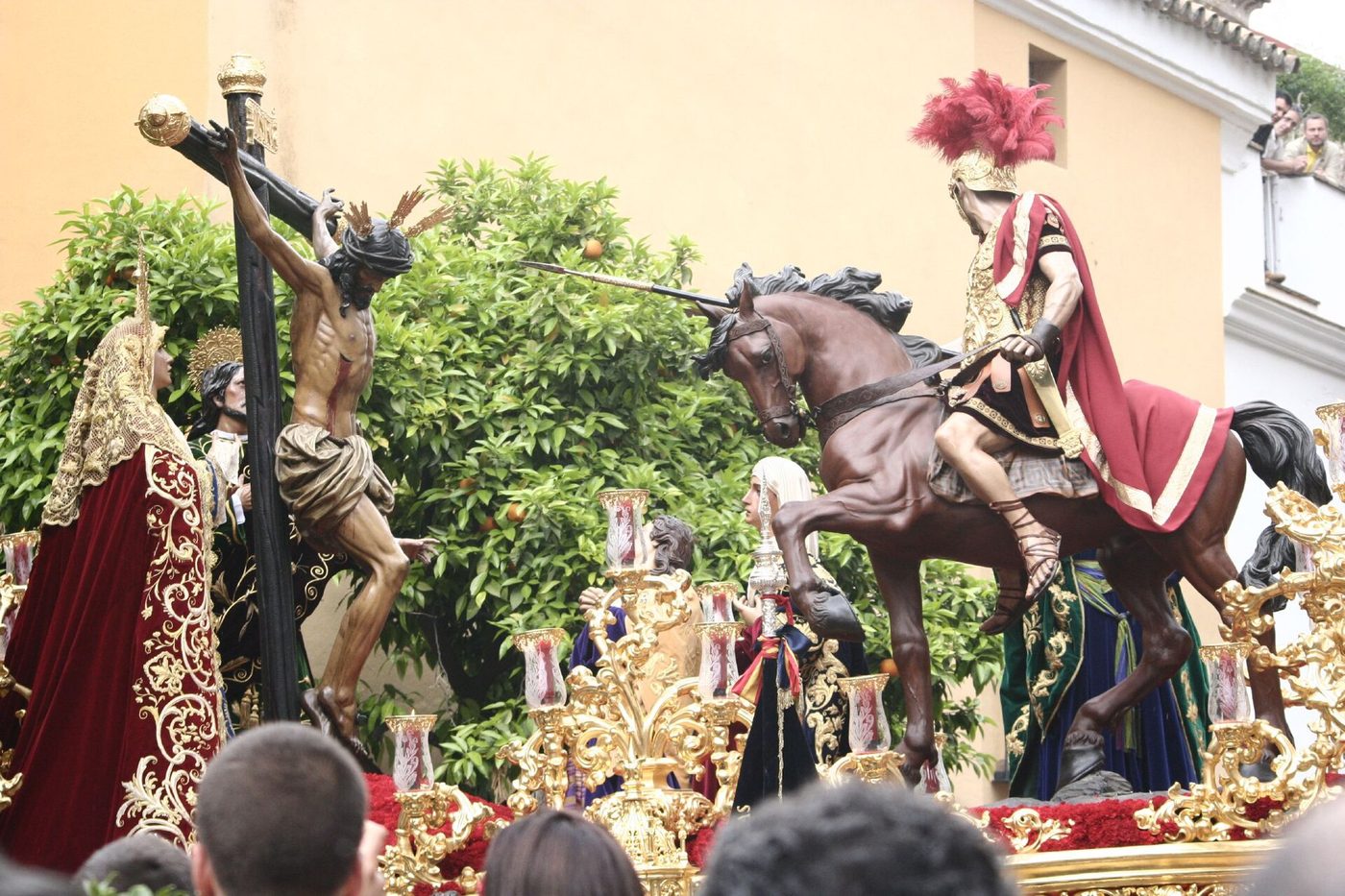
Holy Week (Semana Santa) is celebrated before Easter with processions in many cities, especially Sevilla, Málaga and Valladolid.
Las Fallas in Valencia (March) end with burning large figures. San Fermín in Pamplona (July) is famous for the running of the bulls (encierro). La Tomatina is a tomato fight in Buñol (August).
The Feria de Abril in Sevilla, the Carnival of Cádiz and Tenerife, and the Fiestas del Pilar in Zaragoza (12 October) are other well known fiestas. On 24 December families celebrate Nochebuena and on 31 December people eat twelve grapes at midnight.
Bullfighting (los toros) is a controversial tradition: many people love it and many want it ended. It has been banned in some regions.
Key words you will meet in the questions
fiesta
festival / party
Semana Santa
Holy Week
Nochebuena
Christmas Eve
Reyes Magos
the Three Kings
festivo
public holiday
Part 4 of 4
Food and daily customs
Spanish food is famous, and the timetable of meals is different from many countries.
Typical dishes: paella (from Valencia, with rice), tortilla española (potato omelette), gazpacho (cold tomato soup), jamón ibérico, cocido and fabada (from Asturias).
Olive oil is the main fat of the Mediterranean diet, and Spain is the world’s largest producer. Wine, with regions like La Rioja and Ribera del Duero, is also famous.
Tapas are small portions of food that people share in bars. Lunch (la comida) is the main meal and is usually between 2 and 3.30 in the afternoon; dinner is late, often after 9.
Football (fútbol) is the most popular sport, with Real Madrid and FC Barcelona the best known clubs. Spain won the World Cup in 2010 and the European Championship in 2008, 2012 and 2024.
The siesta, the nap after lunch, is less common than people think today, but shops in some towns still close for some hours in the afternoon.
Key words you will meet in the questions
paella
paella (rice dish)
tortilla española
Spanish omelette with potato
tapas
small portions of food
aceite de oliva
olive oil
comida
lunch / the main meal
Remember for the exam
Cervantes – Don Quixote; Velázquez – Las Meninas; Goya; Picasso – Guernica; Gaudí – Sagrada Familia.
Flamenco is from Andalucía and is UNESCO heritage; the guitar is the typical instrument.
National day 12 October; Constitution Day 6 December; Epiphany 6 January; Labour Day 1 May.
Semana Santa, Las Fallas (Valencia), San Fermín (Pamplona), La Tomatina (Buñol).
Paella, tortilla, gazpacho and jamón; football is the favourite sport.
Now practise this topic
Reading is the first step. Questions show you what you already know.
Study the questions on this topic
Every question of the bank on this topic, with its answer. Check yourself and mark what you do not know yet.