The Spanish State is organised in separate powers: the Crown, the Cortes Generales that make the laws, the Government that carries them out and the judges who apply them. The CCSE asks who does what, where each institution sits and how people are chosen.
Most of the answers depend on a few numbers and names. They are listed in each section, together with the Spanish words used in the test.
Part 1 of 5
The Crown: the King
The King is the head of State. He symbolises the unity and permanence of the State, but he does not govern: the Government and the Cortes take the political decisions.
The King today is Felipe VI. He became King on 19 June 2014, when his father, Juan Carlos I, abdicated.
The King signs and promulgates the laws, calls elections, proposes a candidate for the head of the Government after talking to the parties, and represents Spain abroad.
He is the supreme commander of the Armed Forces, but every act of the King must be approved (refrendado) by the Government. The Government, not the King, is responsible.
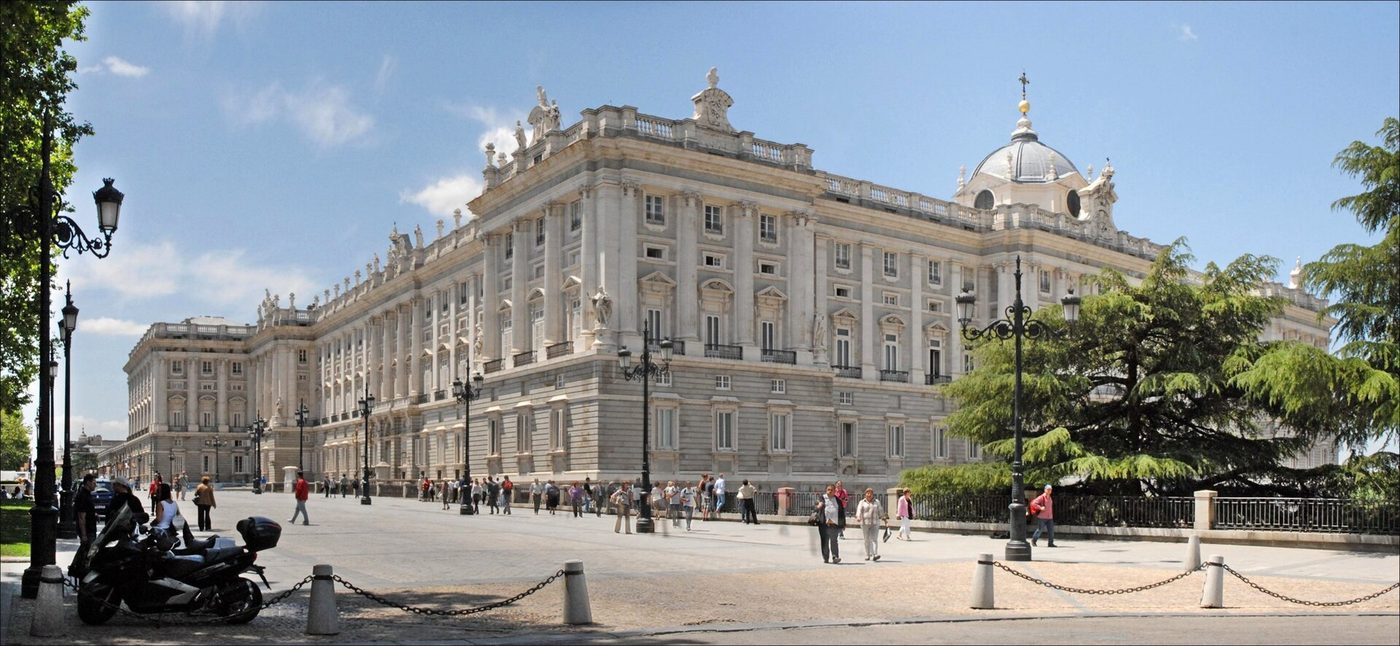
The heir to the throne has the title of Princess of Asturias (Princesa de Asturias). The royal family lives at the Palace of the Zarzuela; the Royal Palace in Madrid is used for official ceremonies.
Exam tip: The King does not make the laws and does not run the Government: that is the job of the Cortes and the Government.
Key words you will meet in the questions
Rey
King
jefe del Estado
head of State
Corona
the Crown
abdicación
abdication
sancionar una ley
to sign a law into force
Part 2 of 5
The Cortes Generales: Congress and Senate
The Cortes Generales represent the Spanish people. They make the laws, approve the budget and check the Government. There are two chambers, both in Madrid.
The Congress of Deputies (Congreso de los Diputados) has 350 deputies elected by the people. It is the main chamber: it chooses the head of the Government and has the last word on most laws. It sits in the Palace of the Cortes.
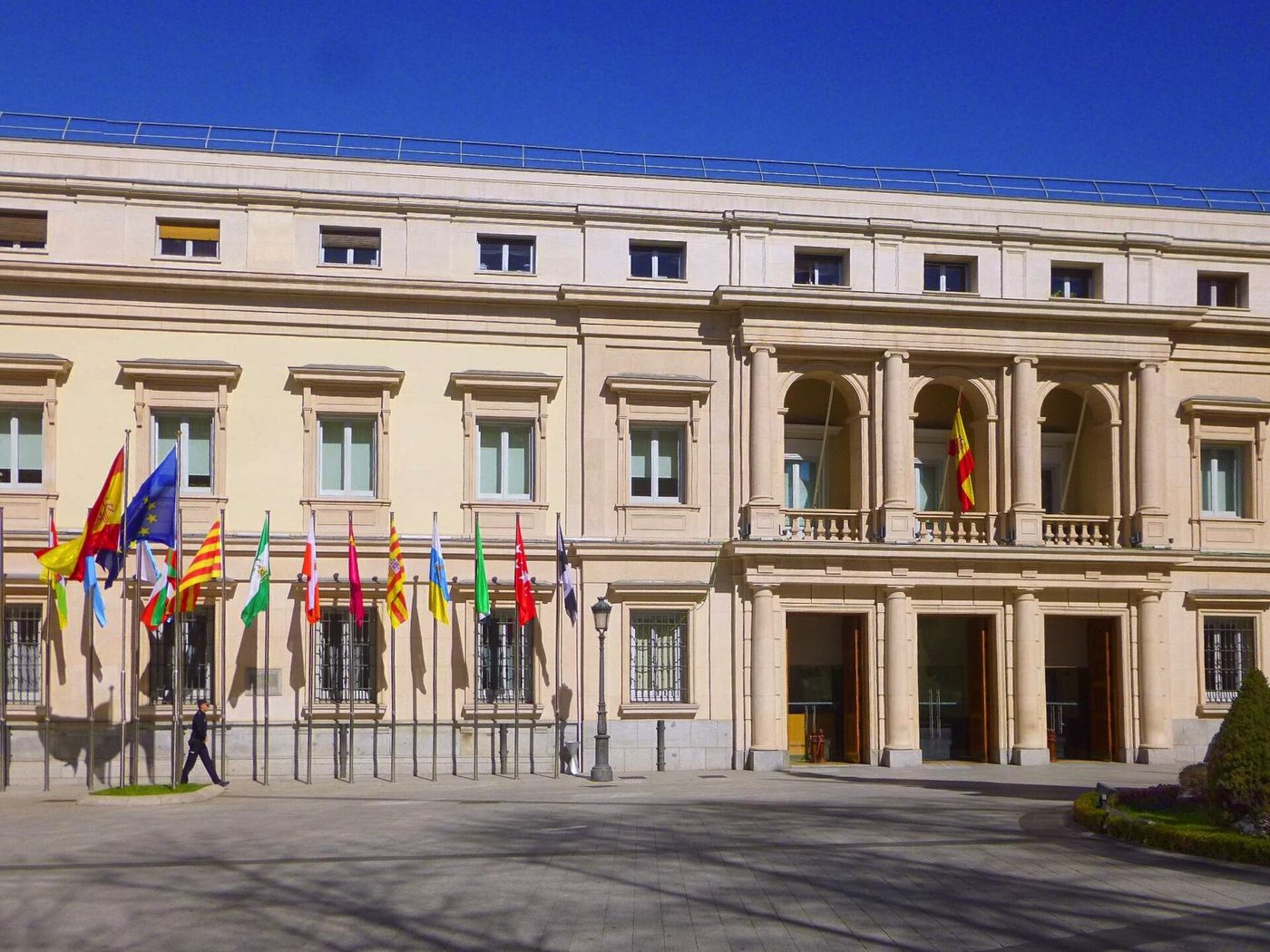
The Senate (Senado) is the chamber of territorial representation. It has around 265 senators: four for each province, elected by the people, and others chosen by the parliaments of the autonomous communities. It can propose changes to laws.
Deputies and senators are elected for four years, unless the Cortes are dissolved earlier.
The President of the Congress is the third authority of the State, after the King and the head of the Government. The Cortes also appoint the Defensor del Pueblo (Ombudsman).
Key words you will meet in the questions
Cortes Generales
the Spanish parliament
Congreso de los Diputados
Congress of Deputies (lower house)
Senado
Senate (upper house)
diputado / senador
deputy / senator
legislatura
term of office of the Cortes (four years)
Part 3 of 5
The Government
The Government directs the policy of the country, the civil administration and the defence. It is formed by the head of the Government and the ministers.
The head of the Government is called the President of the Government (Presidente del Gobierno). The King proposes a candidate and the Congress of Deputies must give him or her its confidence in a vote of investiture (investidura).
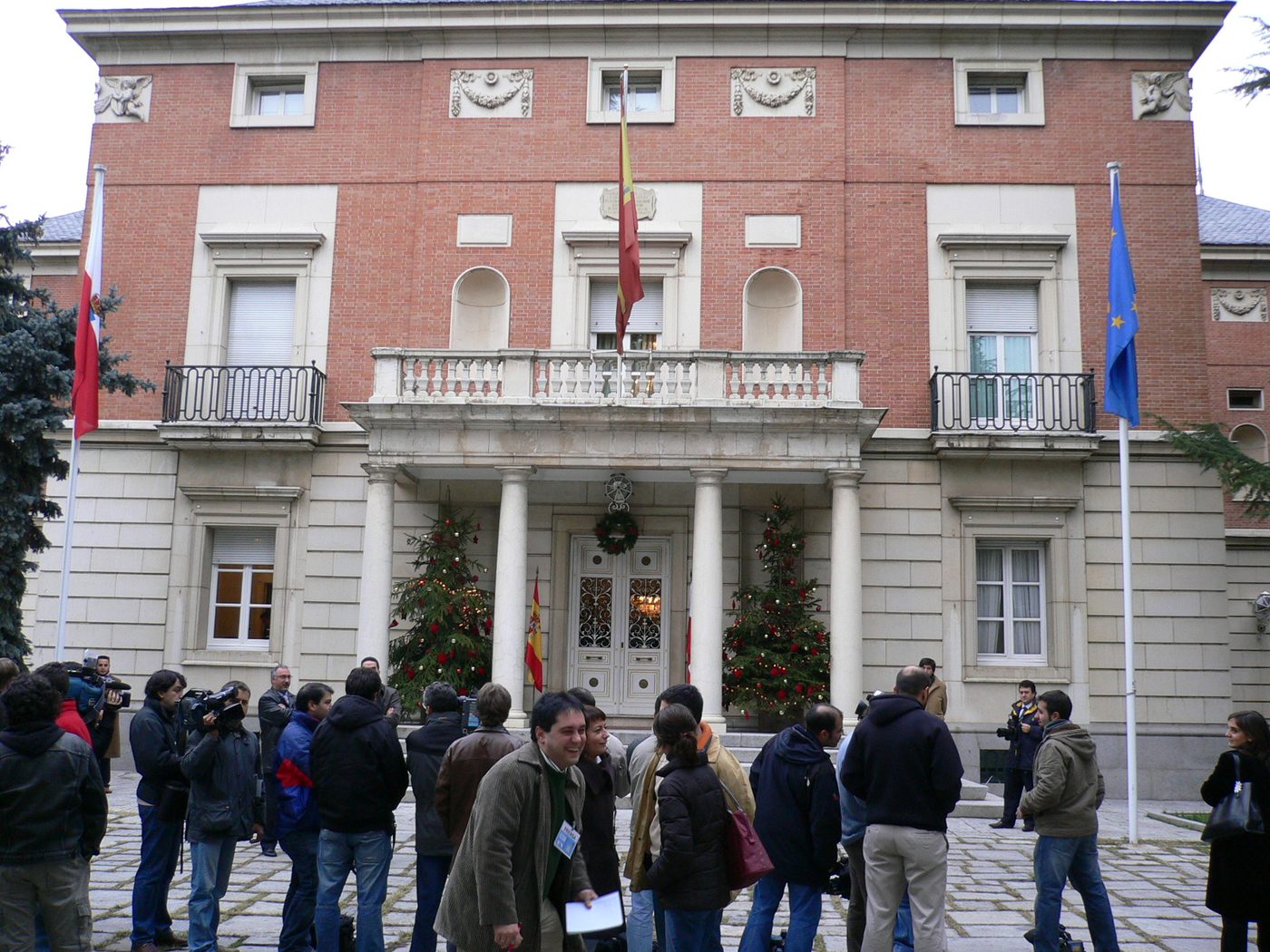
The President chooses the ministers, who together form the Council of Ministers (Consejo de Ministros). The Government works from the Palace of the Moncloa in Madrid.
The Government is accountable to the Congress. The Congress can end it by a motion of no confidence (moción de censura) that has an absolute majority and proposes a new candidate.
The Government proposes laws and can also make decrees (real decretos), but always under the law and under the control of the courts.
Key words you will meet in the questions
Gobierno
the Government
Presidente del Gobierno
head of the Government (prime minister)
Consejo de Ministros
Council of Ministers
investidura
investiture vote
moción de censura
motion of no confidence
Part 4 of 5
The judiciary and the courts
Justice comes from the people and is administered by independent judges. Nobody, not even the Government, can tell a judge how to decide.
The General Council of the Judiciary (Consejo General del Poder Judicial) is the body that governs the judges.
The Supreme Court (Tribunal Supremo) is the highest court in all matters, except for the guarantees of the Constitution. Each autonomous community has a High Court of Justice (Tribunal Superior de Justicia).
The Constitutional Court (Tribunal Constitucional) has twelve members. It decides whether laws agree with the Constitution.
The Public Prosecutor’s Office (Ministerio Fiscal) defends legality and the public interest. The Court of Audit (Tribunal de Cuentas) checks the public accounts.
Trials are public, and in some cases a jury (jurado) takes part. Everyone has a right to a lawyer, and free legal aid exists for those who cannot pay.
Key words you will meet in the questions
juez
judge
Tribunal Supremo
Supreme Court
Poder Judicial
the judiciary
fiscal
public prosecutor
justicia gratuita
free legal aid
Part 5 of 5
Separation of powers
The idea behind all this is that power is divided so that no single person or body has all of it.
Legislative power: the Cortes Generales make the laws.
Executive power: the Government carries out the laws and runs the public administration.
Judicial power: judges and courts apply the law and settle disputes.
Each power controls the others: the Cortes control the Government, the courts control the Administration and the Constitutional Court controls the laws.
The Crown, above the three, is a symbol of unity and has an arbitrating and moderating role.
Key words you will meet in the questions
poder legislativo
legislative power
poder ejecutivo
executive power
poder judicial
judicial power
separación de poderes
separation of powers
Remember for the exam
The King (Felipe VI, since 2014) is the head of State but does not govern; his acts must be approved by the Government.
Cortes Generales = Congress of Deputies (350) + Senate (territorial chamber); four-year term; they make the laws.
The President of the Government is invested by the Congress; the Council of Ministers works from the Moncloa.
Judges are independent; the Supreme Court is the highest; the Constitutional Court checks the laws.
Three powers: legislative (Cortes), executive (Government), judicial (judges).
Now practise this topic
Reading is the first step. Questions show you what you already know.
Study the questions on this topic
Every question of the bank on this topic, with its answer. Check yourself and mark what you do not know yet.