The last theme of the CCSE is about the practical side of life: where to go when you are ill, how school works, how to find a job and which documents you need. These questions are close to what you will really do after you move.
The details can change by region, because health and education are managed by the autonomous communities. Learn the general system described here.
Part 1 of 4
Health care
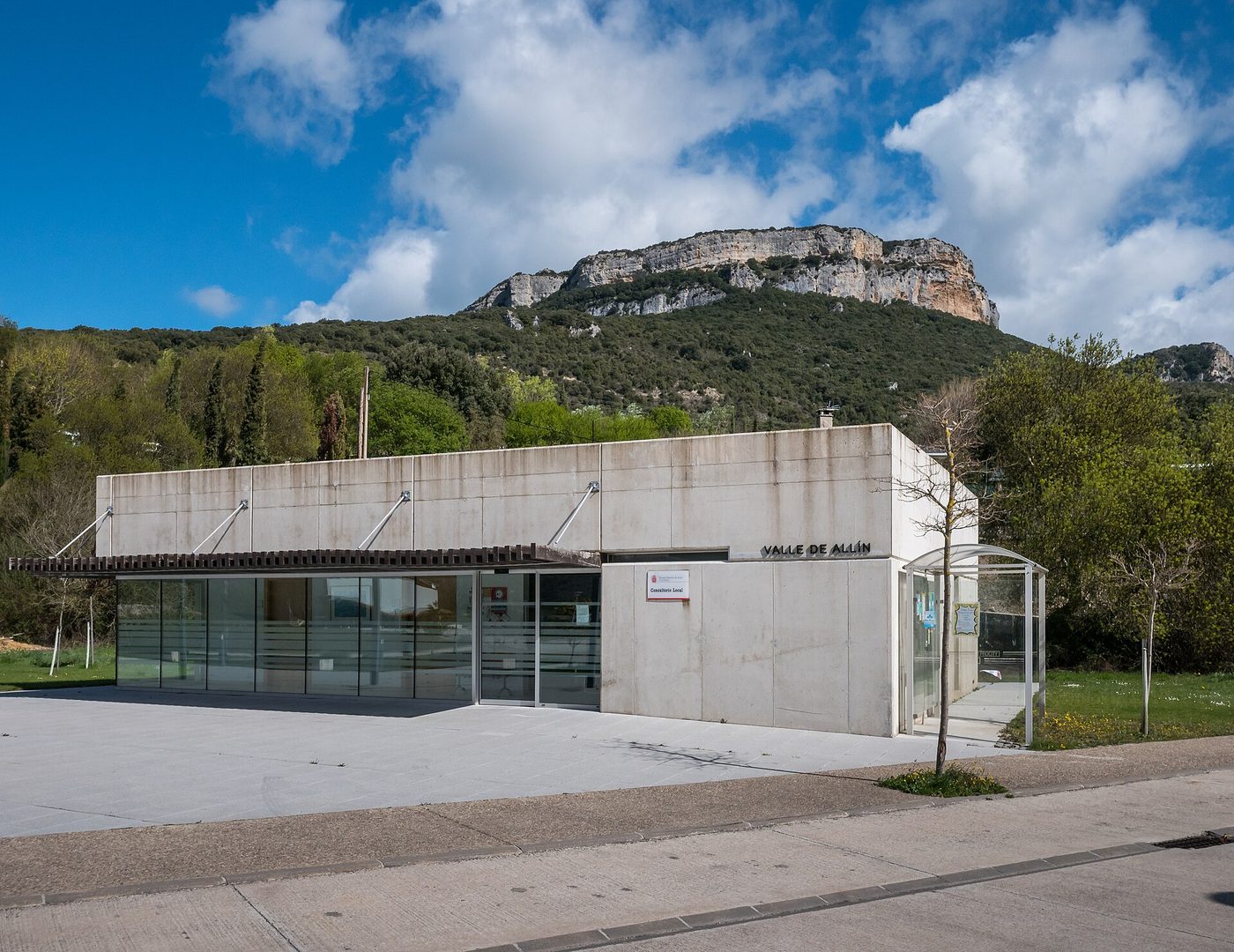
Spain has a public national health system (Sistema Nacional de Salud) that is paid for with taxes and that covers all legal residents.
To use it you ask for the health card (tarjeta sanitaria) at your health centre (centro de salud), after you register at the town hall (empadronamiento).
Your first stop is the family doctor (médico de cabecera) at the health centre. He or she can send you to a specialist (especialista) or to the hospital.
For an emergency, call 112, the single European emergency number. You can also go to the emergency room (urgencias) of a hospital.
Medicines (medicamentos) are bought in a pharmacy (farmacia), which has a green cross. With a prescription (receta) from the public system you pay only a part of the price.
Vaccination of children follows the official calendar and is free. Children under 16 are covered on the card of the family.
Education in Spain is free and compulsory from 6 to 16 years old. It has several stages.
Infant education (educación infantil) is for children from 0 to 6 and is not compulsory; the second cycle (3–6) is free in public schools.
Primary education (educación primaria) is from 6 to 12 and compulsory secondary education (ESO) from 12 to 16. Afterwards a student can do the Bachillerato (two years) to go to university, or vocational training (formación profesional).
The university entrance exam is called EBAU (also PAU or EvAU, depending on the region). Spain has public and private universities and also offers distance learning (UNED).
There are public schools (colegios públicos), private schools and “concertados”, which are private but receive public money. The school year runs from September to June.
The school gives the child a report (boletín de notas) and the title of Graduado en Educación Secundaria at the end of ESO.
Key words you will meet in the questions
colegio
school
educación obligatoria
compulsory education
instituto
secondary school
universidad
university
matrícula
enrolment
Part 3 of 4
Work and social security
Workers in Spain have a contract, a salary, paid holidays and social protection.
The work contract (contrato de trabajo) can be permanent (indefinido) or temporary (temporal). The Estatuto de los Trabajadores is the main law about work.
The minimum wage is called the salario mínimo interprofesional (SMI) and is fixed by the Government each year. A worker has the right to at least 30 calendar days of paid holiday a year, and the normal working week is 40 hours.
Employers and workers pay contributions to Social Security (Seguridad Social), which pays pensions, unemployment benefit and sick pay. The retirement age is gradually rising toward 67.
If you lose your job you can ask for unemployment benefit (prestación por desempleo, “el paro”) at the public employment service (SEPE), and register as a job seeker (demandante de empleo).
Trade unions (sindicatos) defend workers’ rights, and workers have the right to strike. The main taxes are IRPF (income tax) and IVA (value-added tax, general rate 21%).
Key words you will meet in the questions
contrato
contract
salario
wage / salary
Seguridad Social
Social Security
paro
unemployment
jubilación
retirement
Part 4 of 4
Transport and procedures
Getting around and getting your papers in order are part of daily life, and the CCSE asks about both.
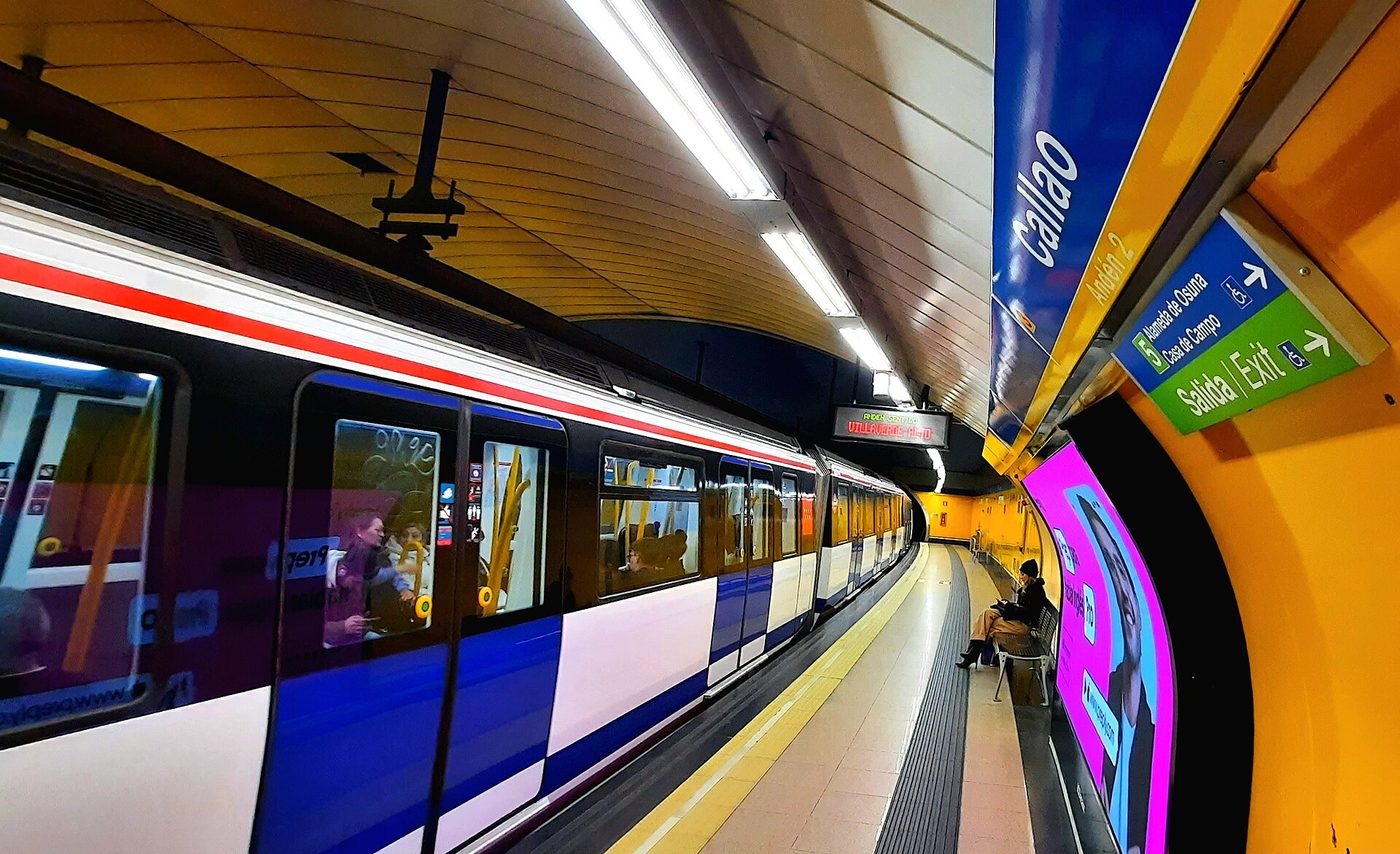
Big cities have a metro (Madrid, Barcelona, Valencia, Sevilla, Bilbao…), buses and trains for the area (cercanías). Many cities have a transport card with a lower price for regular users.
The national railway company is Renfe, and the high-speed train is called AVE. Madrid is connected by AVE to Barcelona, Sevilla, Valencia and many other cities. The road network is among the largest in Europe.
The DNI (Documento Nacional de Identidad) is the identity card of Spaniards. Foreigners have the NIE and the TIE; the driving licence (carnet de conducir) is needed to drive. You can drive from the age of 18.
To be on the municipal register you go to the town hall (padrón). To rent or buy a flat you sign a contract (contrato de alquiler or escritura). Public offices often work with an appointment (cita previa), which you ask for on the internet or by phone.
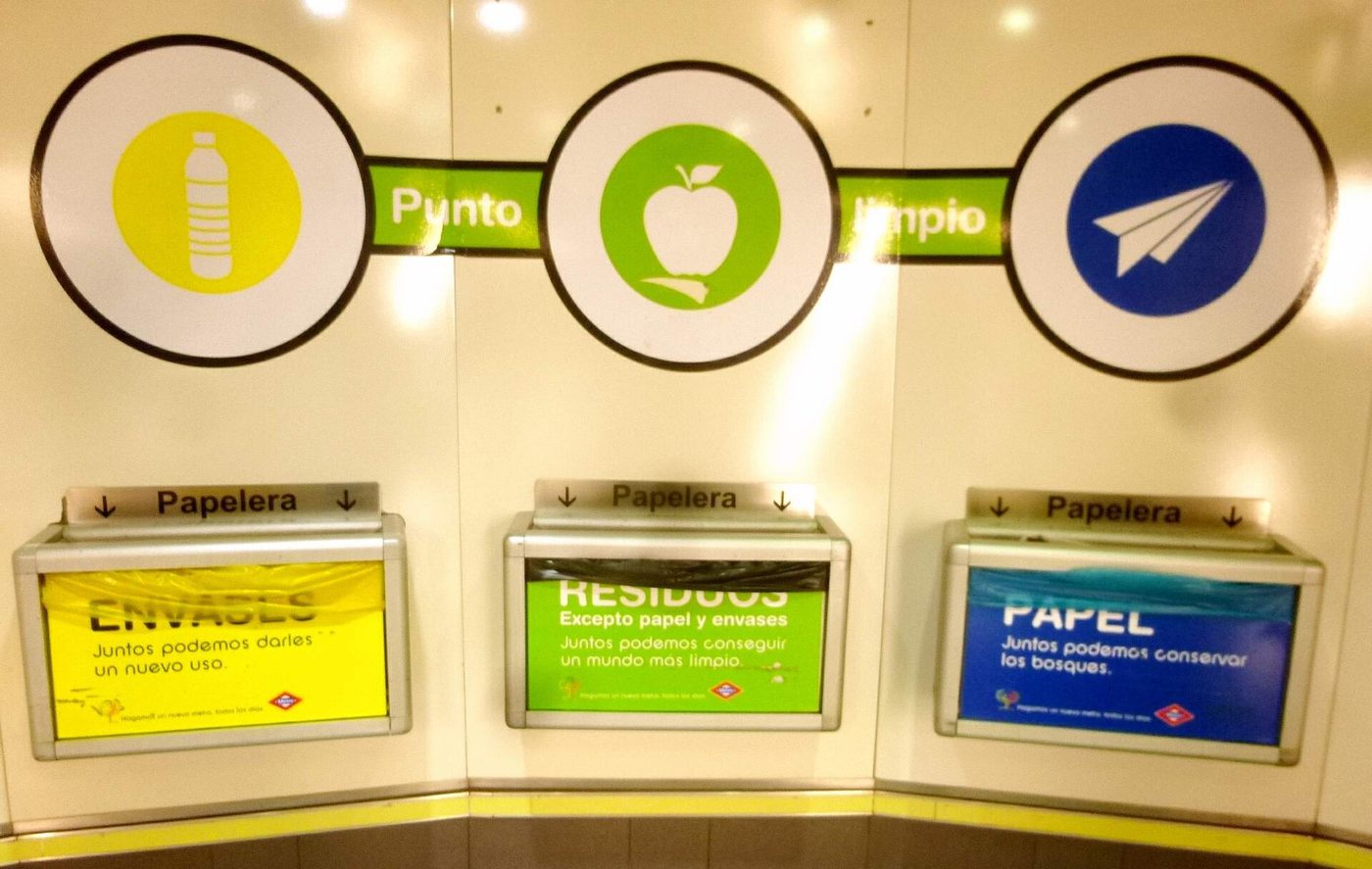
Recycling is common: yellow container for plastic and cans, blue for paper and cardboard, green for glass.
Key words you will meet in the questions
metro
underground railway
cita previa
appointment (public offices)
carnet de conducir
driving licence
billete
ticket
alquiler
rent
Remember for the exam
Public health system for all legal residents: ask for the tarjeta sanitaria; family doctor first; emergency number 112.
School is free and compulsory from 6 to 16; ESO is secondary; Bachillerato leads to university.
Social Security pays pensions and unemployment benefit; the employment service is SEPE; 30 days of paid holiday.
Register at the town hall (padrón); NIE/TIE for foreigners; you can drive from 18.
Now practise this topic
Reading is the first step. Questions show you what you already know.
Study the questions on this topic
Every question of the bank on this topic, with its answer. Check yourself and mark what you do not know yet.