This theme is about daily life: how public services work, what people do and expect in everyday situations, which days are holidays and how to travel. Many of the exam’s situation questions come from here.
Part 1 of 5
Public services and the administration
In France a large part of daily life goes through public services. Knowing which one to go to saves a lot of time.
The mairie (town hall) deals with civil registration, marriages, school registration and local services. The préfecture deals with residence permits, driving licences and identity documents for foreigners.
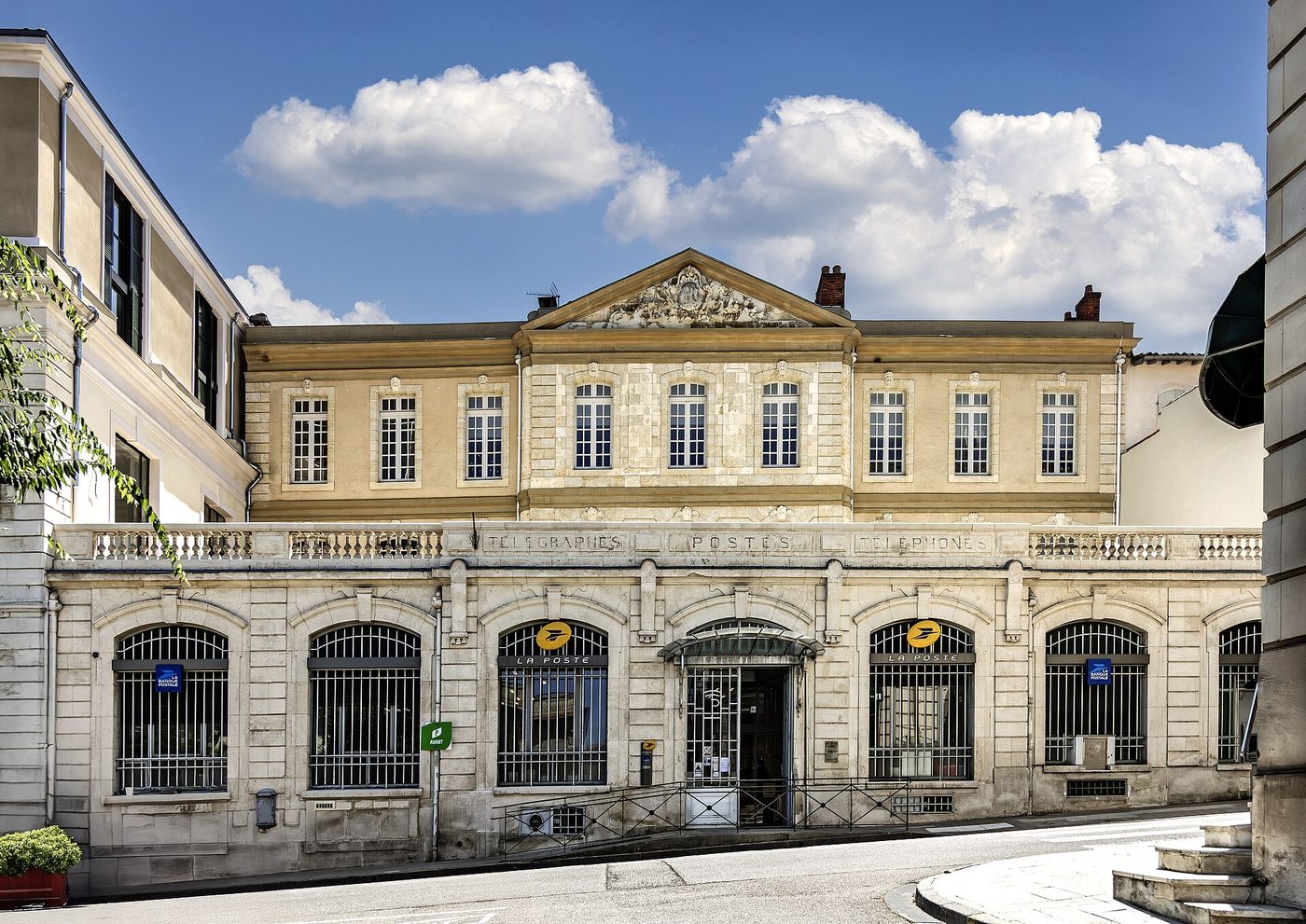
La Poste handles the mail and parcels, and also offers banking. The CAF (Caisse d’allocations familiales) pays family and housing allowances (the APL).
France Travail helps unemployed people, and the CPAM is the local office of health insurance.
Many procedures are done online on service-public.fr or on France Connect, with one account to prove who you are. Often you need an appointment (rendez-vous).
Keep your papers: proof of address (un justificatif de domicile), identity document, payslips and tax notices are asked for often.
Key words you will meet in the questions
mairie
town hall
préfecture
State office (residence permits)
CAF
family allowances office
justificatif de domicile
proof of address
rendez-vous
appointment
Part 2 of 5
Taxes, money and housing
Everybody who lives and earns money in France takes part in the common effort through taxes.
The currency is the euro. Income tax (impôt sur le revenu) is declared once a year, in spring, usually online.
The VAT (TVA) is included in the prices you pay in shops. With a bank account you get a bank card and a RIB, the paper with your account number, which employers and offices ask for.
To rent a home you sign a lease (bail) and often pay a deposit (dépôt de garantie). The landlord (propriétaire) and the tenant (locataire) each have duties. Housing allowances (APL) can help.
You must insure your home (assurance habitation) if you rent, and your car if you have one.
Key words you will meet in the questions
impôt sur le revenu
income tax
TVA
VAT
bail
lease
loyer
rent
assurance
insurance
Part 3 of 5
Everyday customs and politeness
Small habits matter in France, and the exam’s situation questions often test them.
Greet people: say “bonjour” when you enter a shop, a doctor’s room or a lift, and “au revoir” and “merci” when you leave. Not greeting is seen as rude.
Use “vous” with people you do not know, with older people and in a formal context, and “tu” with friends, family and children.
Be on time for appointments and tell people if you are late. Meals are an important moment; the main ones are at around 12–14 and 19–21.
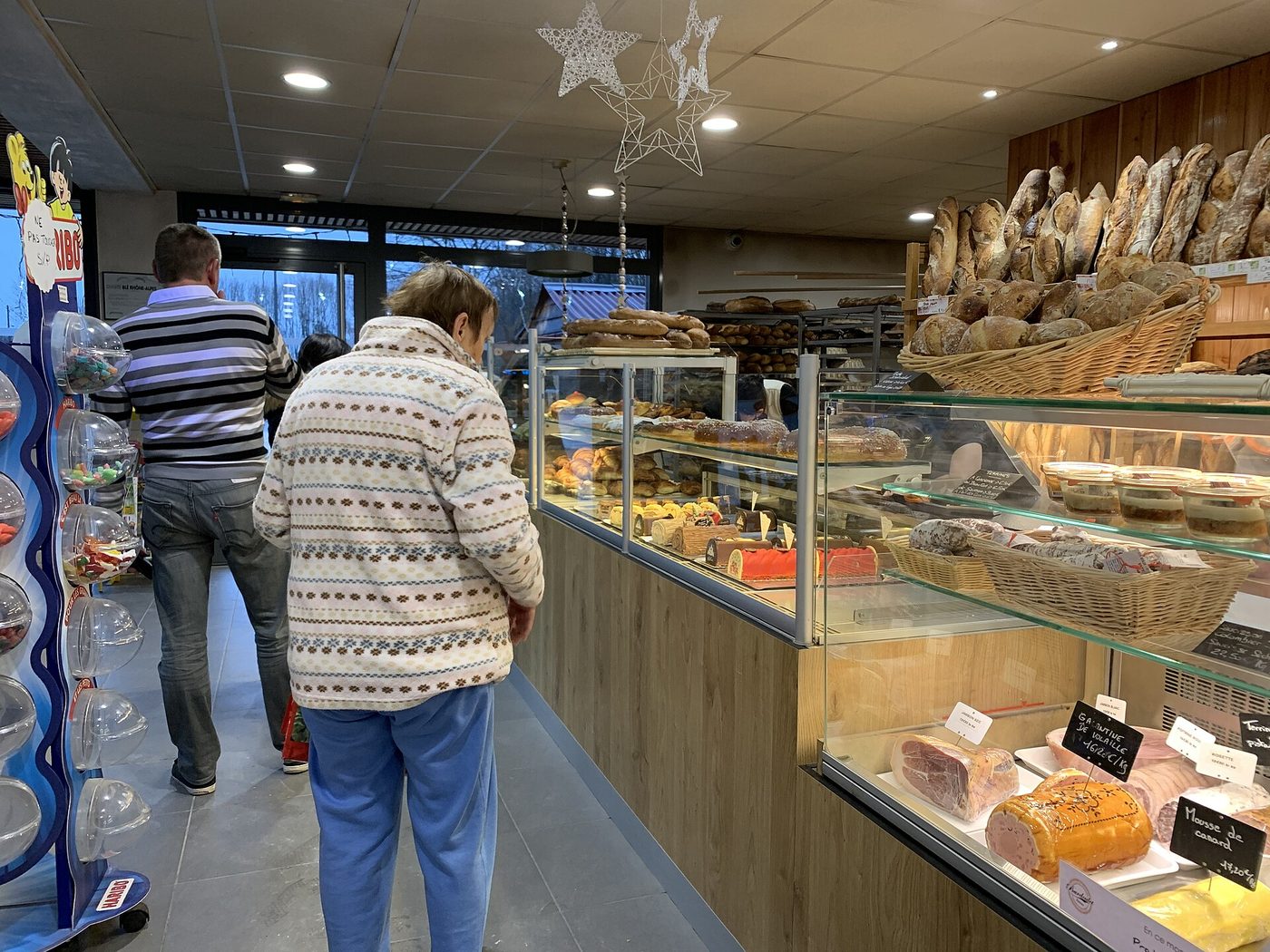
Bread is a basic food and the baguette is a symbol; people buy it at the boulangerie. Cheese and wine are part of the French food heritage, and the gastronomic meal is on the UNESCO list.
Smoking is forbidden in closed public places, and respecting the queue and the neighbours’ quiet (especially at night) is expected.
Key words you will meet in the questions
bonjour
hello (during the day)
vouvoyer
to use “vous” (formal)
tutoyer
to use “tu” (informal)
boulangerie
bakery
politesse
politeness
Part 4 of 5
Public holidays
France has eleven public holidays (jours fériés). Most shops, offices and schools are closed on those days.
1 January (New Year), Easter Monday, 1 May (Labour Day), 8 May (Victory in Europe 1945), Ascension, Whit Monday.
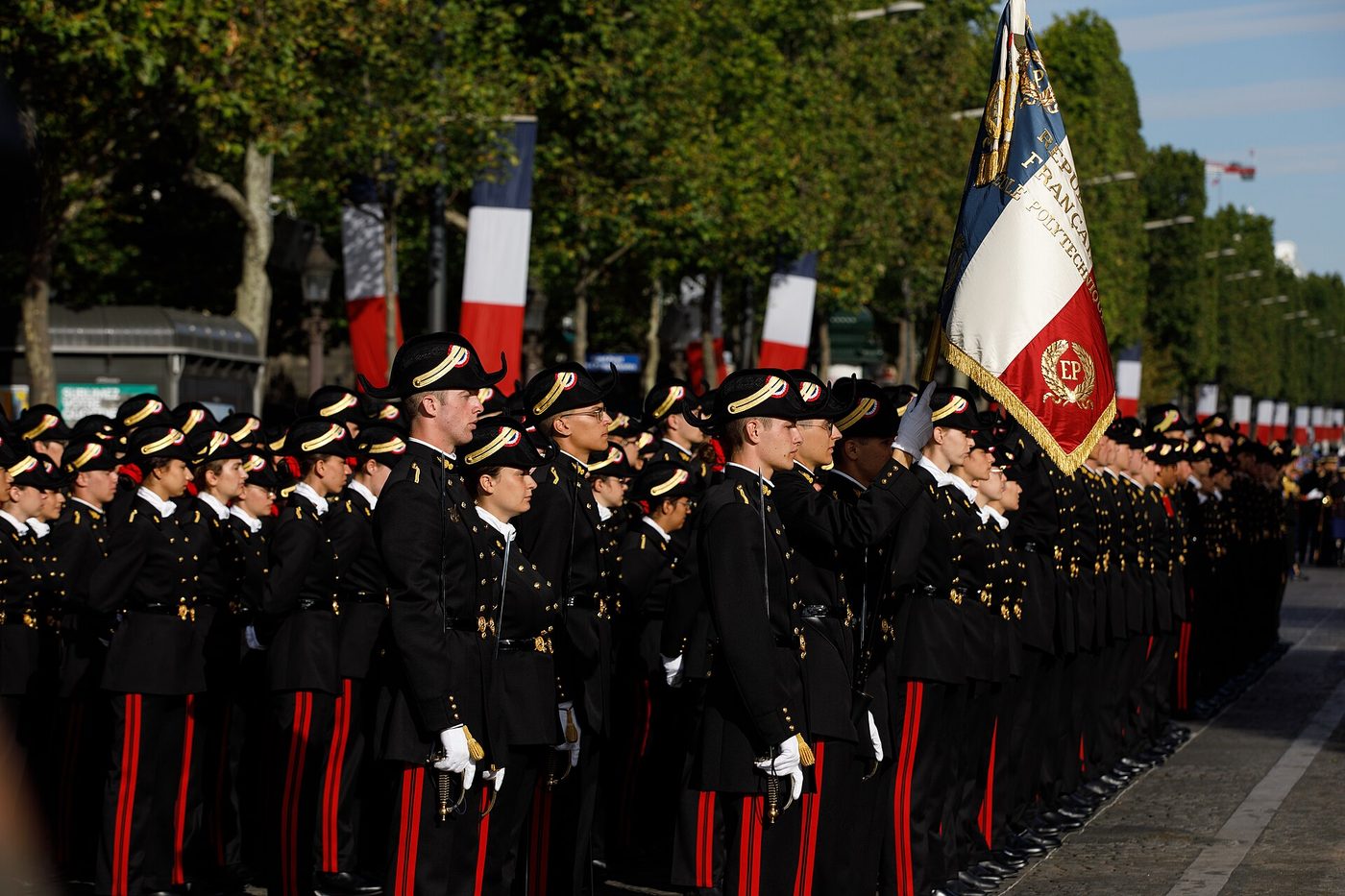
14 July (national day), 15 August (Assumption), 1 November (All Saints), 11 November (Armistice of 1918) and 25 December (Christmas).
Muslim and Jewish holidays are not public holidays, but employees may ask their employer for a day off, and schools tolerate absence for religious holidays.
School holidays are organised in three zones (A, B and C) for the winter and spring breaks; the summer holidays begin in July. Of all the holidays, 1 May is the only one on which work stops by law.
The Fête de la musique (21 June) and Beaujolais Nouveau are well known celebrations but not holidays.
Exam tip: Count to eleven: 1 Jan, Easter Monday, 1 May, 8 May, Ascension, Whit Monday, 14 July, 15 Aug, 1 Nov, 11 Nov, 25 Dec.
Key words you will meet in the questions
jour férié
public holiday
congés payés
paid leave
vacances scolaires
school holidays
fête nationale
national day (14 July)
Noël
Christmas
Part 5 of 5
Getting around
France has one of the best transport networks in Europe, and some rules matter for the exam.
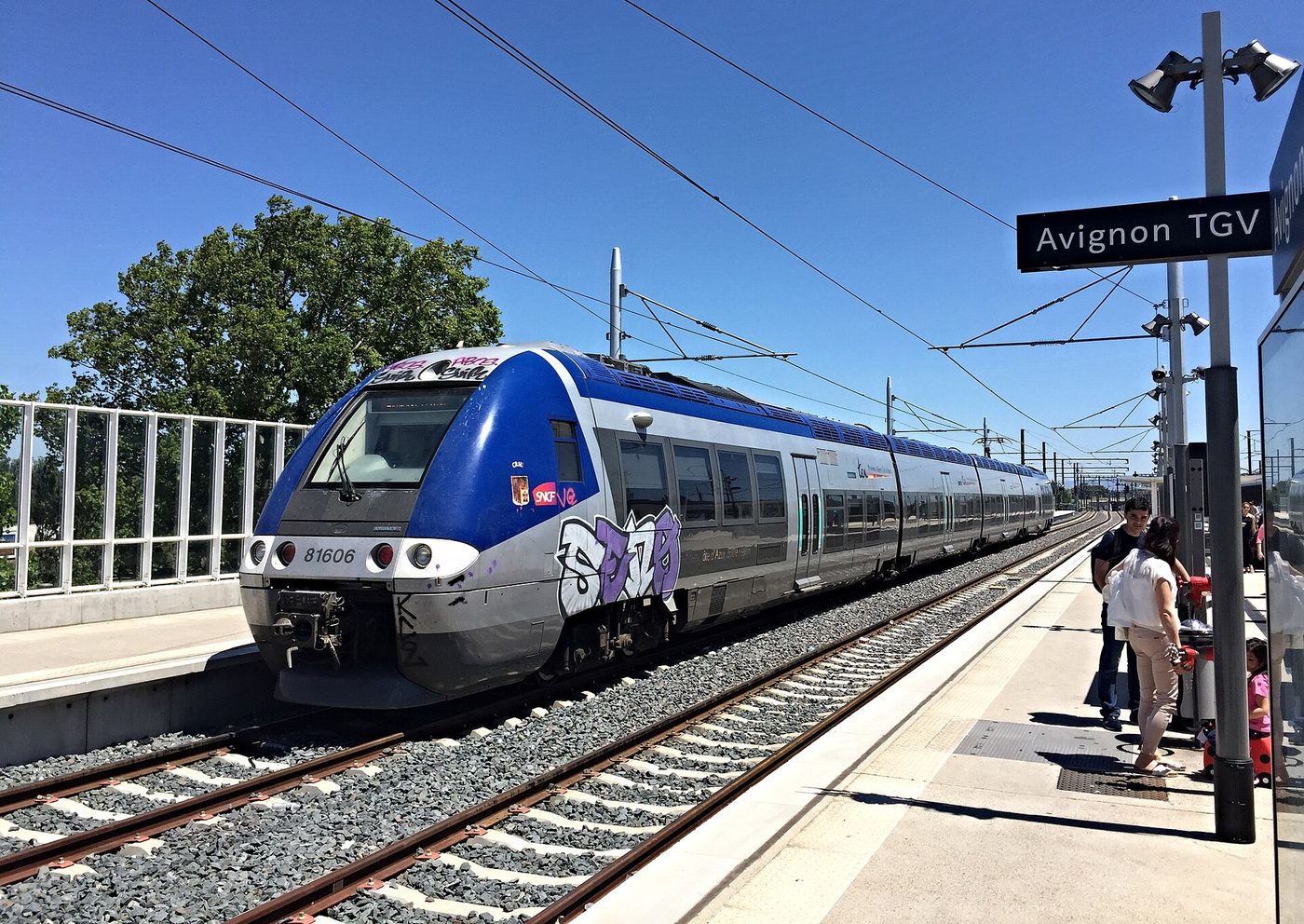
The SNCF runs the national railways, with the high-speed train TGV and regional trains (TER). Buy and validate (composter) your ticket if it is asked.
Big cities have a metro, tramway and buses with a monthly pass. Cycling is encouraged, and the Vélib’ in Paris is a well known bike-sharing scheme.
You drive on the right. The permit is needed to drive and the seat belt is compulsory for everybody. The speed limit is 50 km/h in town, 80 or 90 on roads, 110 on dual carriageways and 130 on motorways (110 when it rains).
Drink-driving is forbidden: the limit is 0.5 g of alcohol per litre of blood (0.2 for young drivers). Using a hand-held phone while driving is also forbidden.