The exam does not ask for long accounts. It asks for the main events, the dates that go with them, the places on the map and the names of the great figures of French history and culture.
Part 1 of 5
From the Gauls to the kings
The first great periods of French history are short to learn and give the roots of the country.
The Gauls (les Gaulois) lived in the territory of today’s France. Julius Caesar conquered Gaul in 52 BC, after the defeat of the chief Vercingétorix at Alésia.
Clovis, king of the Franks, was baptised around 496 and is often considered the first king of France. The country takes its name from the Franks.
Charlemagne (Charles the Great) became emperor in the year 800. In 1066 William the Conqueror, Duke of Normandy, conquered England.
In the Hundred Years’ War against England (1337–1453), Joan of Arc (Jeanne d’Arc) helped free Orléans in 1429.
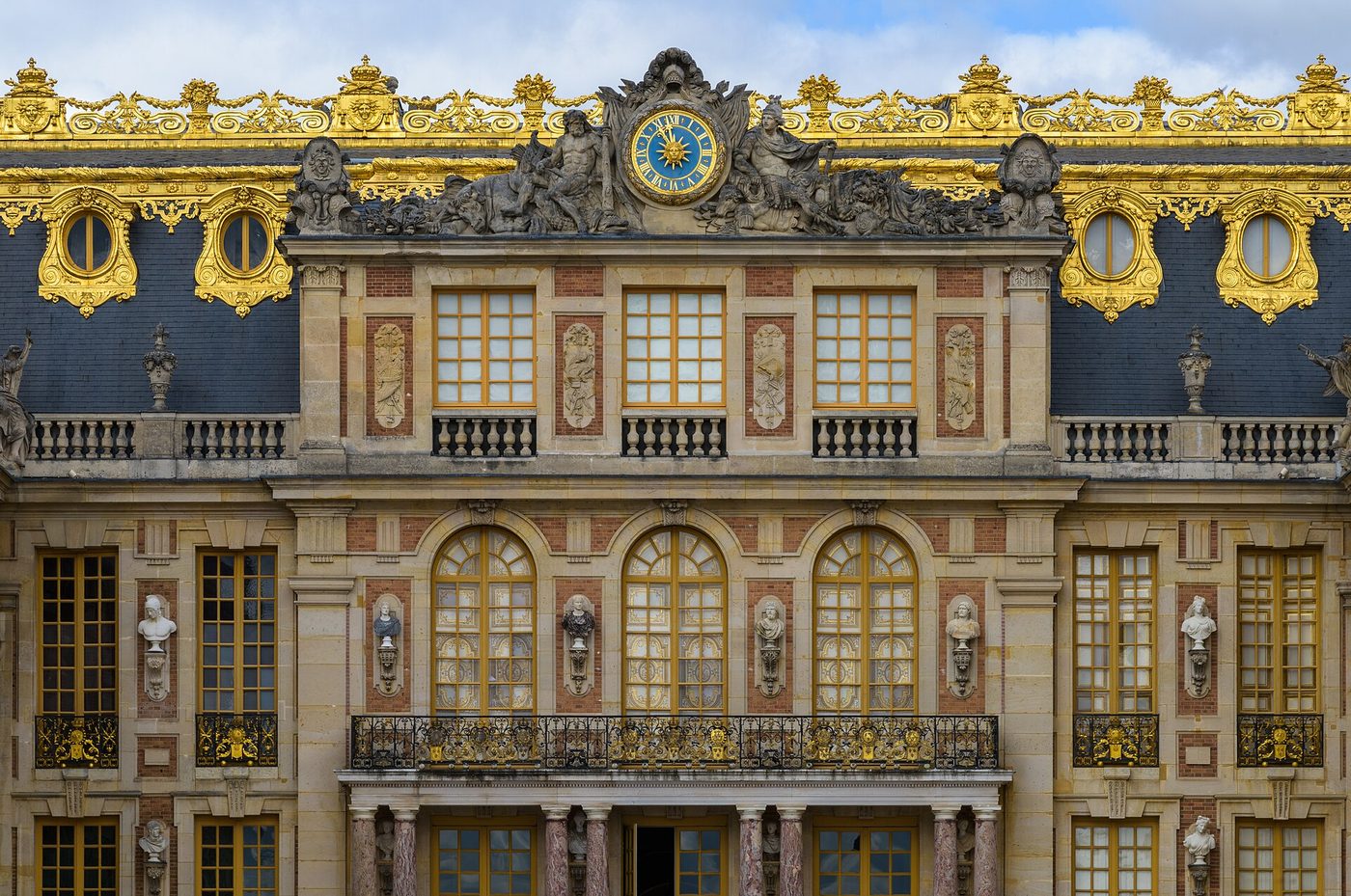
Louis XIV, the “Sun King”, reigned from 1643 to 1715 and built the Palace of Versailles, where the court lived.
Key words you will meet in the questions
les Gaulois
the Gauls
roi
king
Moyen Âge
the Middle Ages
Versailles
the palace of Louis XIV
Jeanne d’Arc
Joan of Arc
Part 2 of 5
The Revolution of 1789
The French Revolution ended the absolute monarchy and gave France its main ideas and symbols. It is the most important date of the exam.
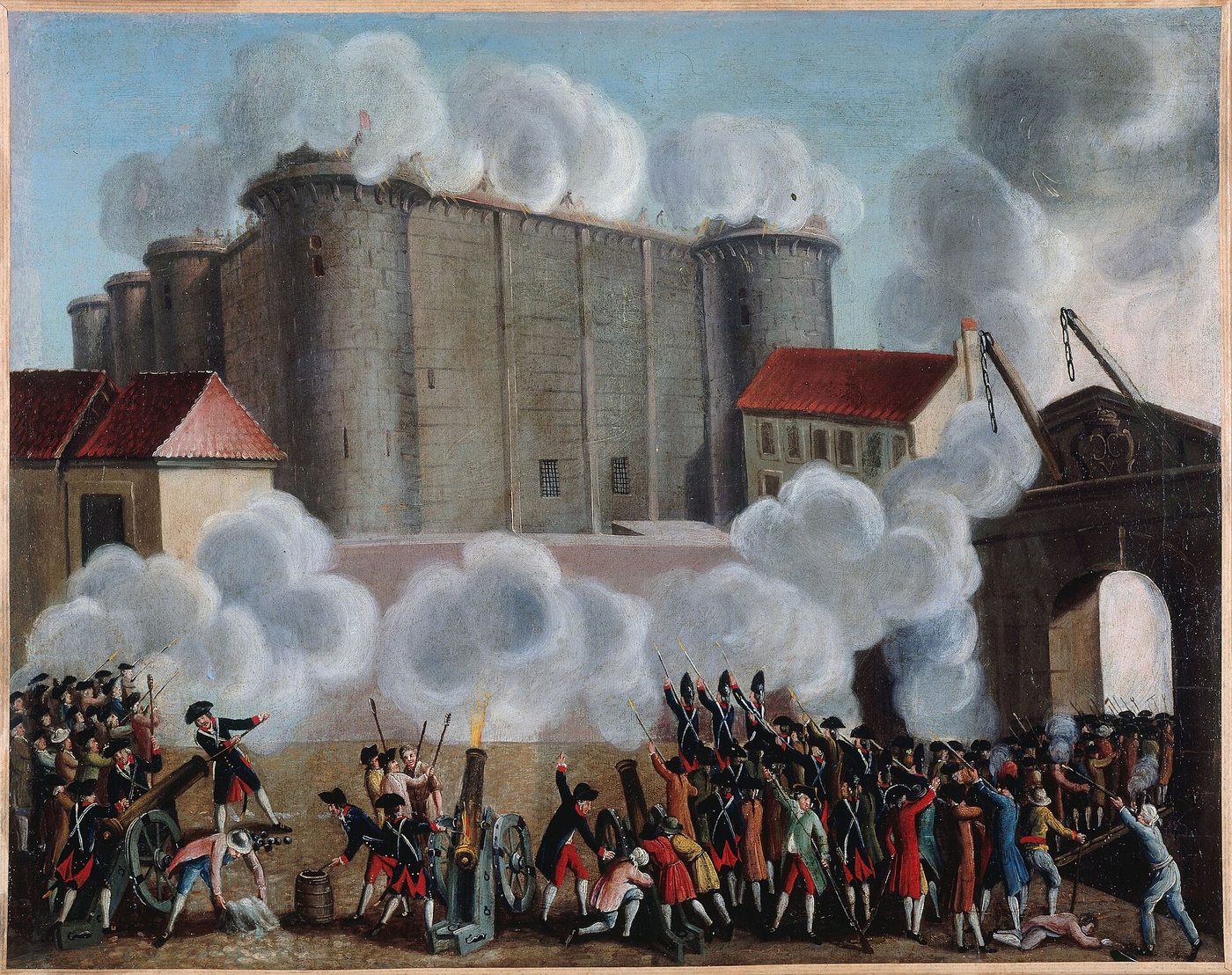
On 14 July 1789 the people of Paris took the Bastille, a royal prison that stood for the king’s power. 14 July is now the national day.
On 26 August 1789 the Declaration of the Rights of Man and of the Citizen said that men are born and remain free and equal in rights.
The monarchy was abolished and the First Republic was proclaimed in 1792. King Louis XVI was executed in January 1793.
Napoleon Bonaparte took power in 1799 and became Emperor in 1804. He created the Civil Code (1804), the lycées and the Legion of Honour. He was defeated at Waterloo in 1815.
Slavery was abolished for good in 1848, thanks to Victor Schœlcher.
Exam tip: 1789 is the key date: Bastille (14 July) and the Declaration (26 August).
Key words you will meet in the questions
Révolution française
the French Revolution
Bastille
the Bastille, stormed on 14 July 1789
Déclaration des droits de l’homme
Declaration of the Rights of Man
Napoléon
Napoleon
abolition de l’esclavage
abolition of slavery
Part 3 of 5
Republics and world wars
From the 19th century France went through several regimes before the Republic became stable.
The Third Republic began in 1870 and lasted until 1940. It created the free, compulsory and secular school with the laws of Jules Ferry (1881–1882).
The First World War lasted from 1914 to 1918. The armistice was signed on 11 November 1918, which is still a public holiday. The battle of Verdun (1916) is the best known.
In the Second World War France was defeated in 1940, and Marshal Pétain led the Vichy regime, which collaborated with Nazi Germany. General de Gaulle’s appeal of 18 June 1940 began the Resistance.
France was liberated in 1944–1945. 8 May 1945 (Victory in Europe) is a public holiday. The Fourth Republic followed, then the Fifth in 1958.
France is one of the founding members of the European Union (the Treaty of Rome, 1957) and a permanent member of the UN Security Council. The euro replaced the franc in 2002.
Key words you will meet in the questions
Première Guerre mondiale
First World War
Seconde Guerre mondiale
Second World War
Résistance
the Resistance
armistice
armistice
Libération
the Liberation
Part 4 of 5
The map of France
Metropolitan France is often called “the Hexagon” because of its shape. It is the biggest country of the European Union by area.
Its neighbours are Belgium, Luxembourg, Germany, Switzerland, Italy, Spain, Andorra and Monaco. The sea borders are the English Channel, the Atlantic Ocean and the Mediterranean Sea.
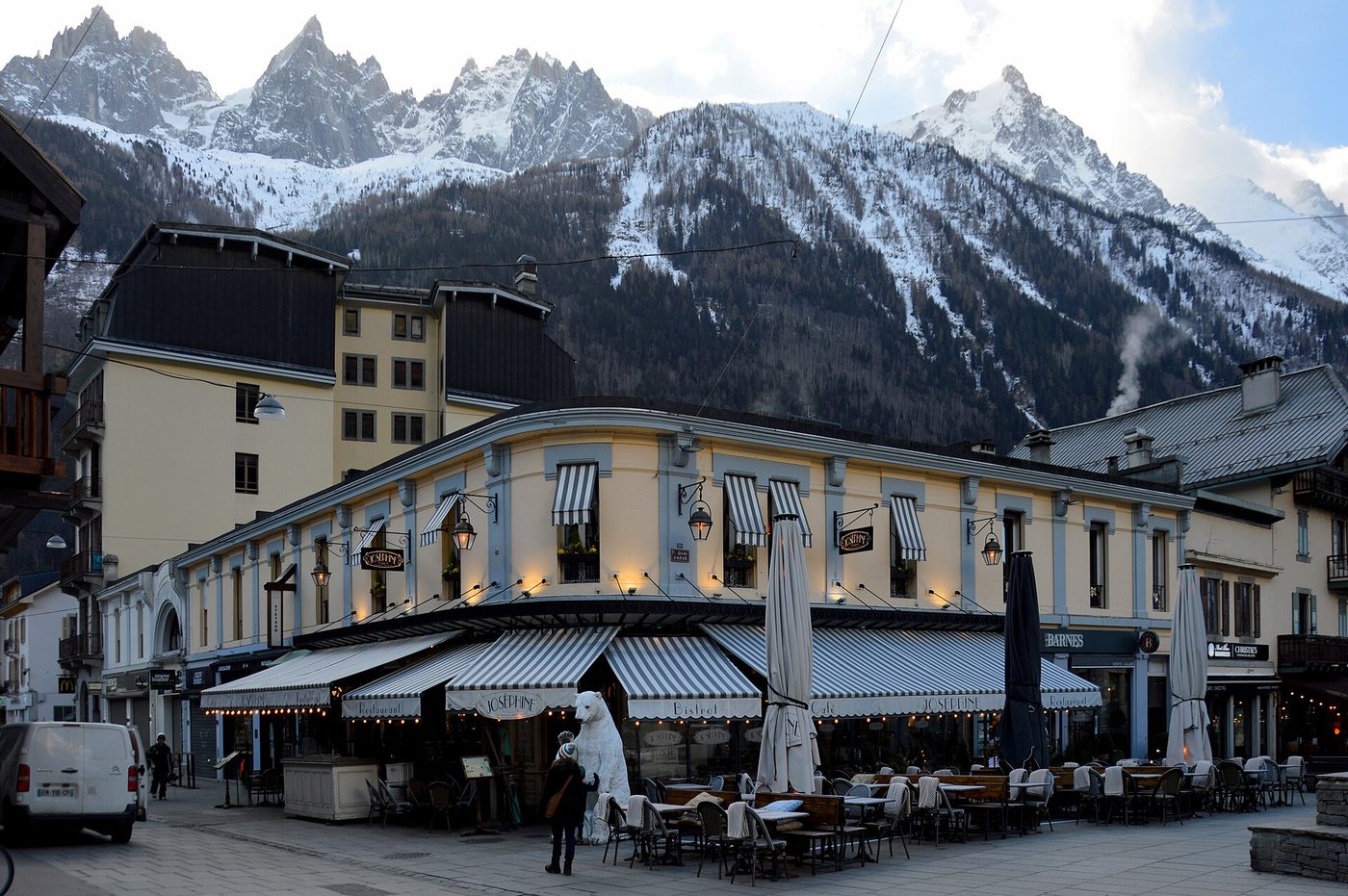
The highest mountain in western Europe is Mont Blanc (4,806 m), in the Alps. The Pyrenees form the border with Spain.
The main rivers are the Seine (Paris), the Loire (the longest, with its châteaux), the Garonne (Bordeaux) and the Rhône (Lyon). The Rhine marks part of the border with Germany.
The biggest cities are Paris (the capital), Marseille, Lyon, Toulouse, Nice, Nantes and Strasbourg, which has European institutions.
France also has overseas territories: Guadeloupe, Martinique, French Guiana, La Réunion and Mayotte are départements; there are also overseas collectivities such as French Polynesia.
Key words you will meet in the questions
l’Hexagone
metropolitan France
fleuve
river that flows to the sea
montagne
mountain
outre-mer
overseas
frontière
border
Part 5 of 5
Culture, monuments and famous people
France is the country with the most visitors in the world, and its culture is part of the exam.
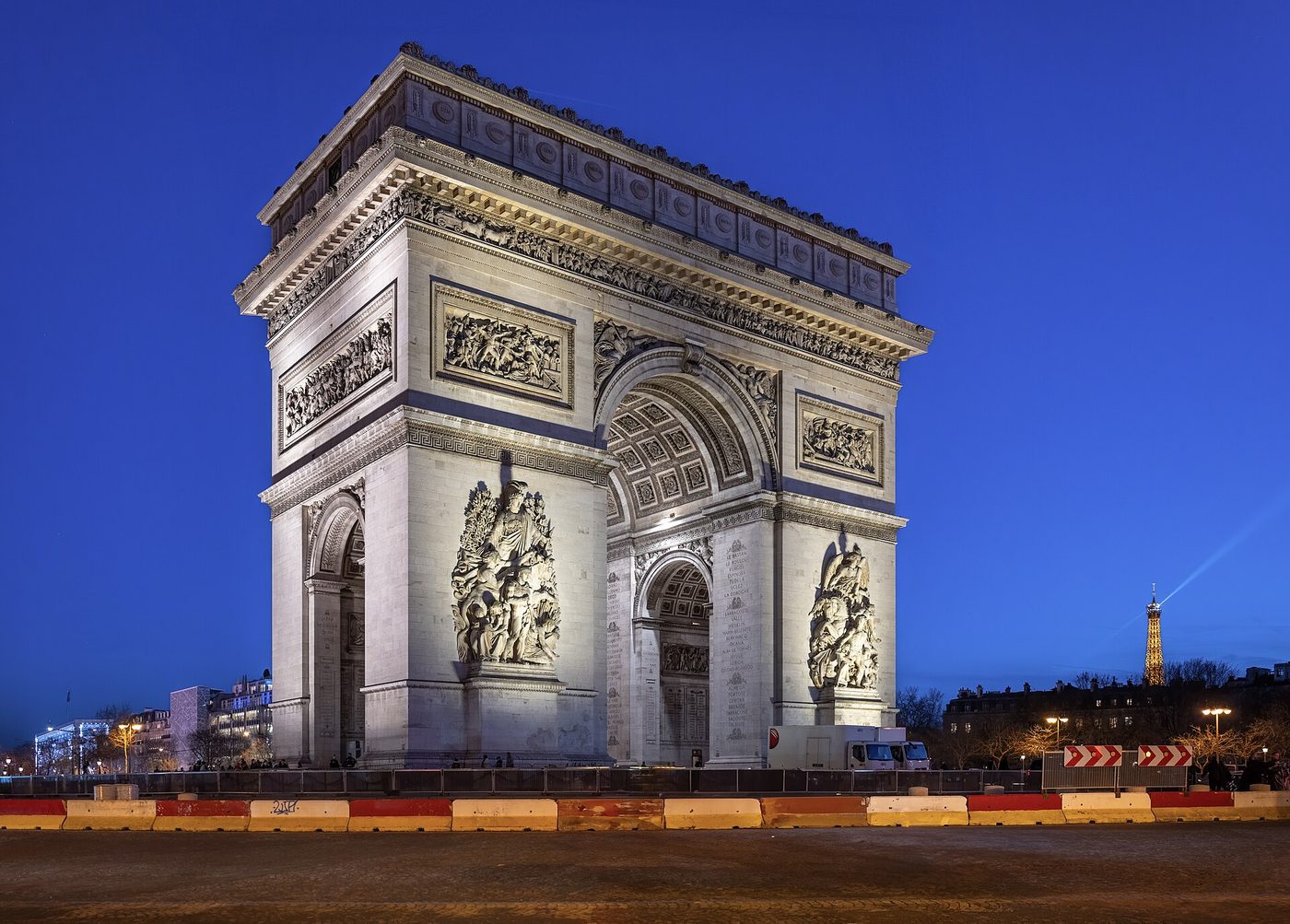
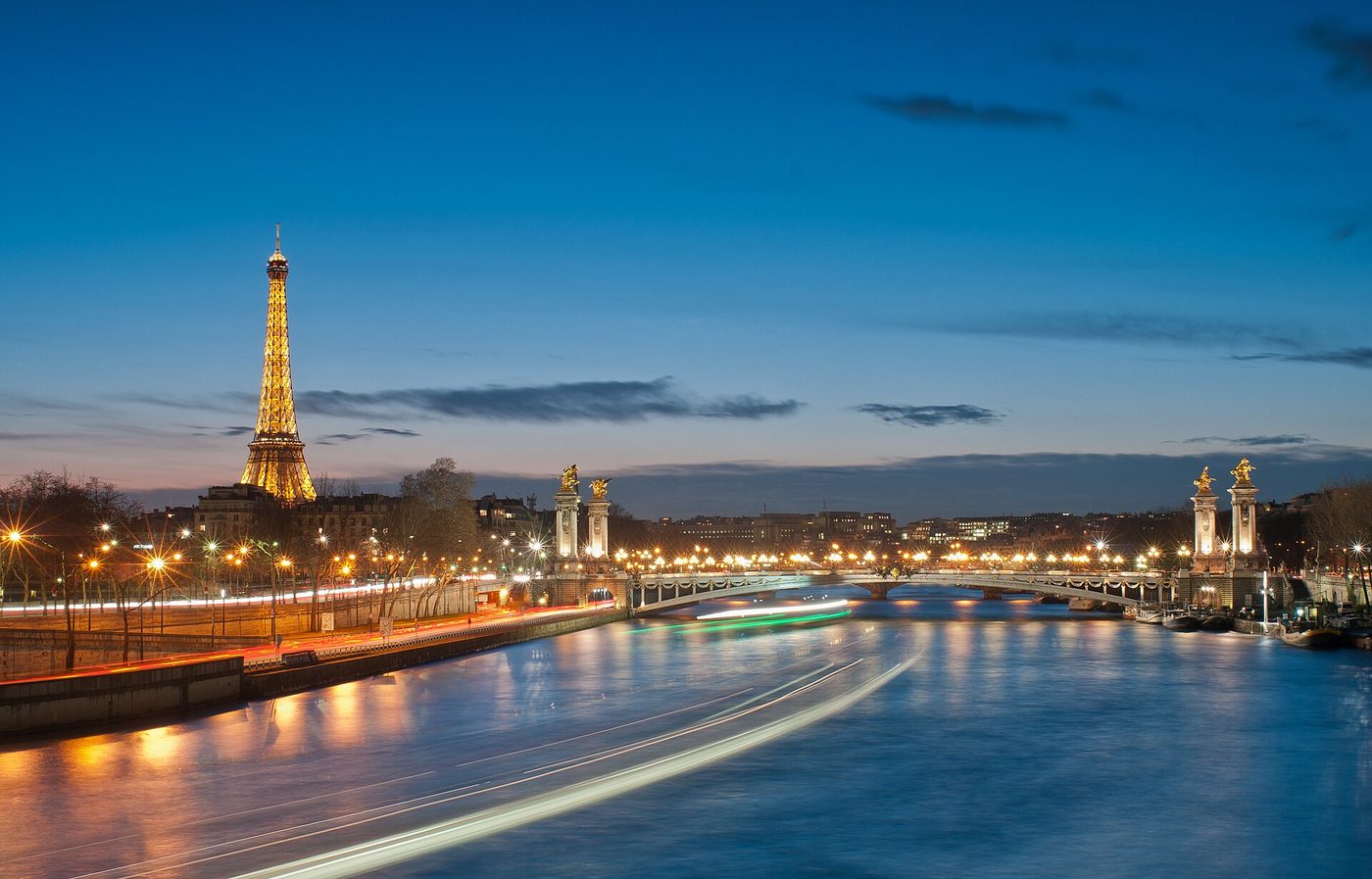
Monuments: the Eiffel Tower (built for the 1889 World’s Fair), Notre-Dame cathedral, the Louvre (the biggest museum in the world), the Arc de Triomphe, the Mont-Saint-Michel and the Palace of Versailles.
Writers: Molière (theatre), Victor Hugo (Les Misérables), Voltaire and Rousseau (the Enlightenment), Albert Camus and Marguerite Yourcenar.
Scientists and thinkers: Pasteur (vaccines), Marie Curie (the only person with Nobel Prizes in two sciences), Descartes and Pascal.
Painters and music: Monet and the Impressionists, and the cinema (the Lumière brothers invented it in 1895). The Cannes Film Festival is every May.
The French language is spoken in many countries; the Académie française protects it and La Francophonie brings together French-speaking countries.
Key words you will meet in the questions
monument
monument
écrivain
writer
musée
museum
patrimoine
heritage
Francophonie
the community of French-speaking countries
Remember for the exam
52 BC Alésia; 496 Clovis; 800 Charlemagne; 1643–1715 Louis XIV and Versailles.
1789: Bastille (14 July) and Declaration of Rights (26 August); 1792 First Republic; 1804 Napoleon Emperor.
1914–1918, armistice 11 November; 1939–1945, Resistance (De Gaulle, 18 June 1940), Liberation 1944; Fifth Republic 1958.
Mont Blanc (4,806 m), Loire (longest), Seine (Paris), Garonne, Rhône; the Hexagon.
Eiffel Tower, Louvre, Notre-Dame, Hugo, Molière, Pasteur, Marie Curie.
Now practise this topic
Reading is the first step. Questions show you what you already know.
Study the questions on this topic
Every question of the bank on this topic, with its answer. Check yourself and mark what you do not know yet.