The Netherlands is a small country on the North Sea, partly below sea level, with a long history of fighting the water and of trade across the world. The KNM exam asks about a limited number of well-known places, dates and events. You do not need to know every detail, only the main lines.
Read the geography first, then follow the timeline. Dates in bold in your own notes are worth learning by heart.
Part 1 of 5
The country and its provinces
The Netherlands (the European part) borders Germany in the east, Belgium in the south and the North Sea in the west and north. Together with Aruba, Curaçao and Sint Maarten it forms the Kingdom of the Netherlands.
The country has 12 provinces: Groningen, Friesland, Drenthe, Overijssel, Flevoland, Gelderland, Utrecht, Noord-Holland, Zuid-Holland, Zeeland, Noord-Brabant and Limburg.
The capital is Amsterdam. The government and parliament sit in The Hague (Den Haag). The king lives in The Hague, but royal ceremonies take place in Amsterdam.
The largest cities are Amsterdam, Rotterdam, The Hague and Utrecht. Together with the area between them they form the Randstad, the most densely populated part of the country.
The port of Rotterdam is the biggest port in Europe. Schiphol airport, near Amsterdam, is the main airport of the country.
The Netherlands has about 18 million inhabitants. Dutch is the official language; in Friesland, Frisian is the second official language.
Exam tip: Amsterdam is the capital, but the government sits in The Hague. This difference appears in many exam questions.
Key words you will meet in the questions
provincie
province
hoofdstad
capital
Randstad
the urban area of Amsterdam, Rotterdam, The Hague, Utrecht
haven
port
Part 2 of 5
Living with water
About a quarter of the country lies below sea level, and much of the land was reclaimed from the water. Dikes, dunes, pumping stations and dams keep the water out.
A polder is a piece of land reclaimed from the water and kept dry by pumps. The province of Flevoland is made of polders in the former Zuiderzee.
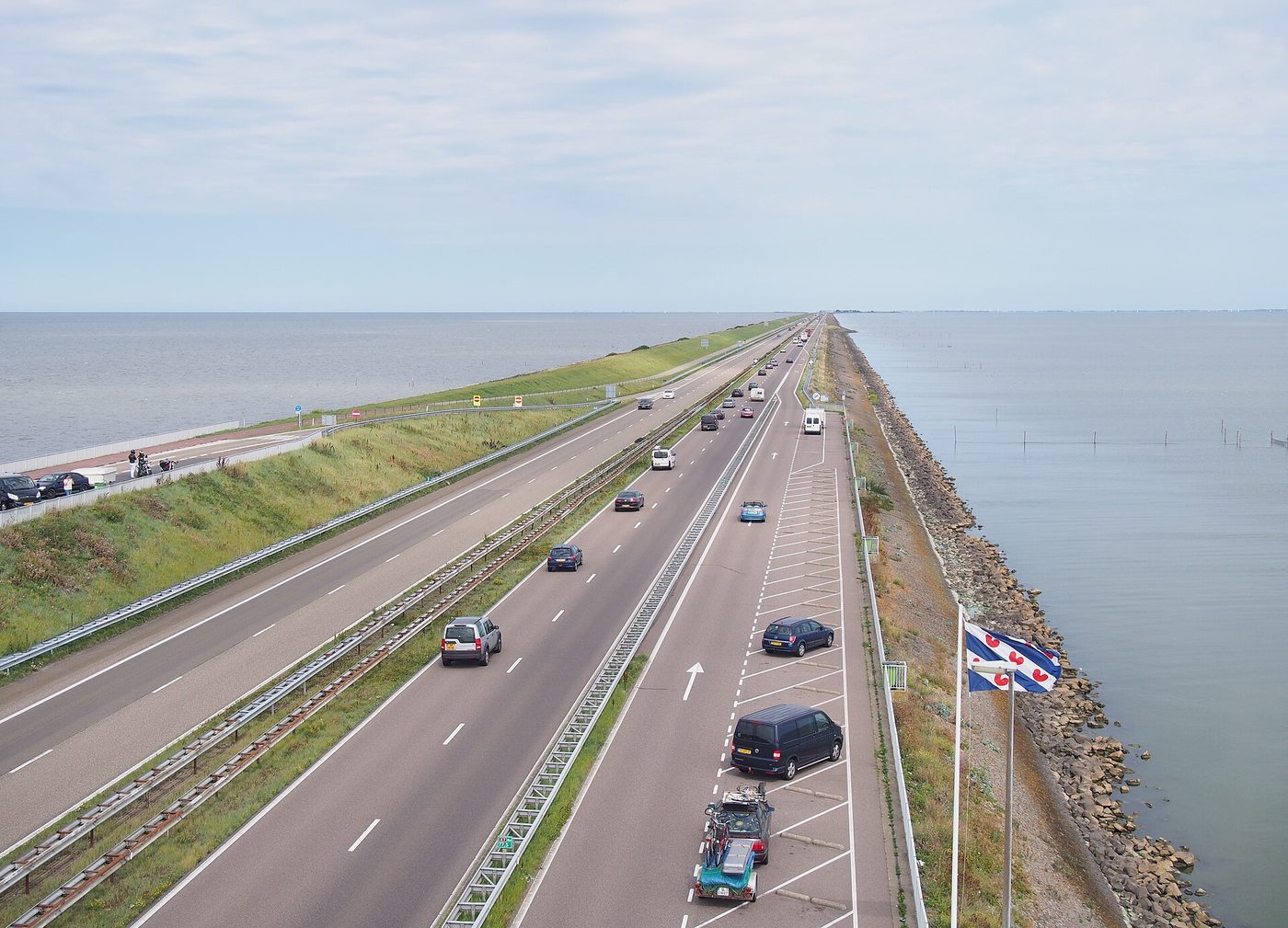
The Afsluitdijk (1932) closed off the Zuiderzee from the North Sea; the sea became the IJsselmeer, a freshwater lake.
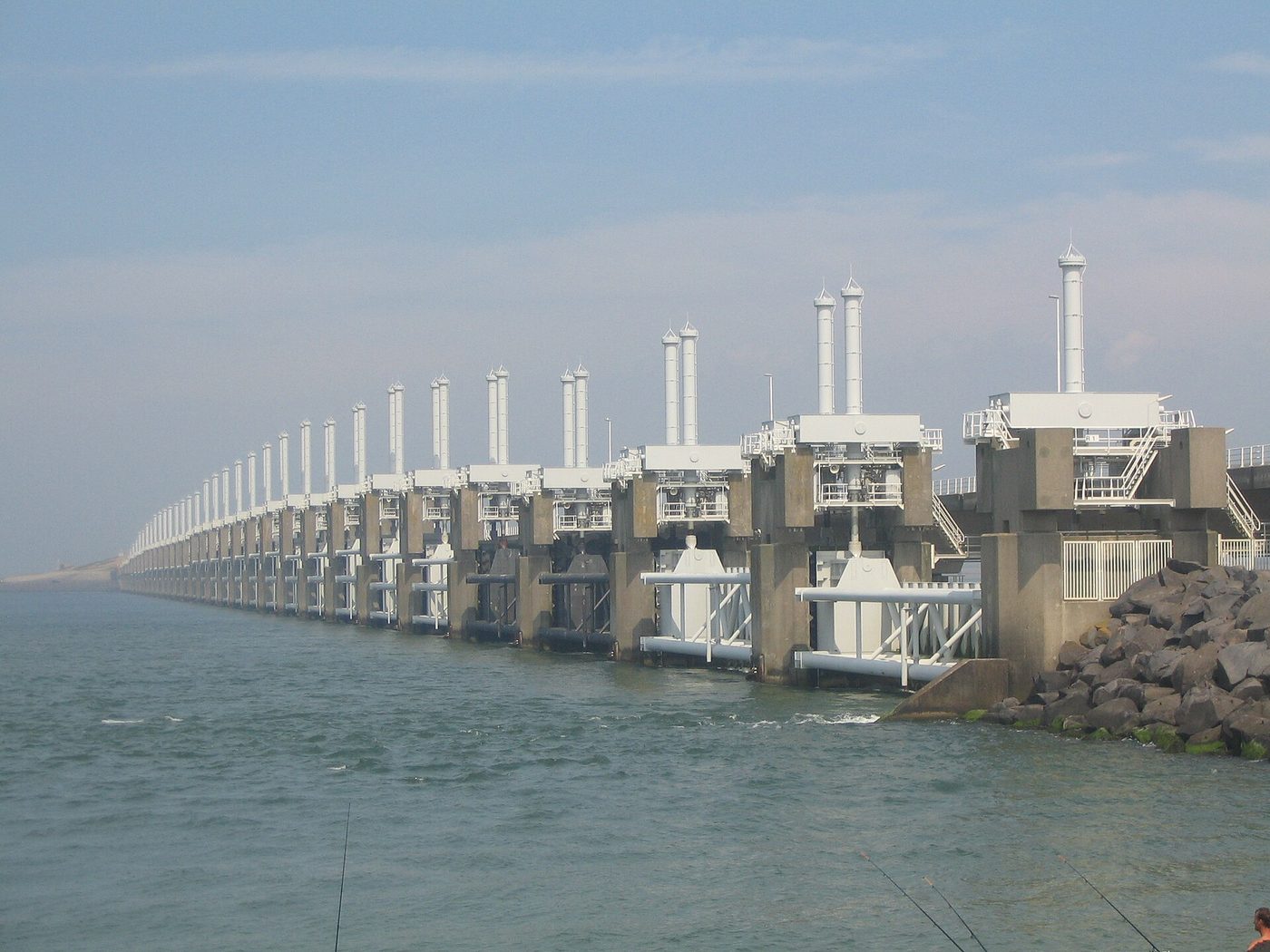
In the night of 31 January to 1 February 1953 a storm flood killed more than 1,800 people in the south-west. After that the Delta Works (Deltawerken) were built, one of the largest flood protection projects in the world.
The big rivers, the Rhine (Rijn), the Meuse (Maas) and the IJssel, flow through the country to the sea.
Water boards (waterschappen) manage water safety and quality. Windmills used to pump water; today modern pumping stations do it.
Key words you will meet in the questions
dijk
dike
polder
reclaimed land
Deltawerken
Delta Works (flood protection)
overstroming
flood
molen
windmill
Part 3 of 5
The Eighty Years’ War and the Golden Age
In the 16th century the Netherlands was ruled by the Spanish king. The people rebelled over taxes and religious freedom, and this became the Eighty Years’ War (1568–1648).
William of Orange (Willem van Oranje) led the revolt and is called the Father of the Fatherland. He was murdered in 1584. The Dutch royal family, the House of Orange-Nassau, comes from him.
The northern provinces formed the Republic of the Seven United Provinces. In 1648 Spain recognised the Dutch independence.
In the 17th century, the Golden Age (Gouden Eeuw), the Netherlands became rich through trade. The United East India Company (VOC, 1602) traded with Asia and was one of the first big companies in the world.
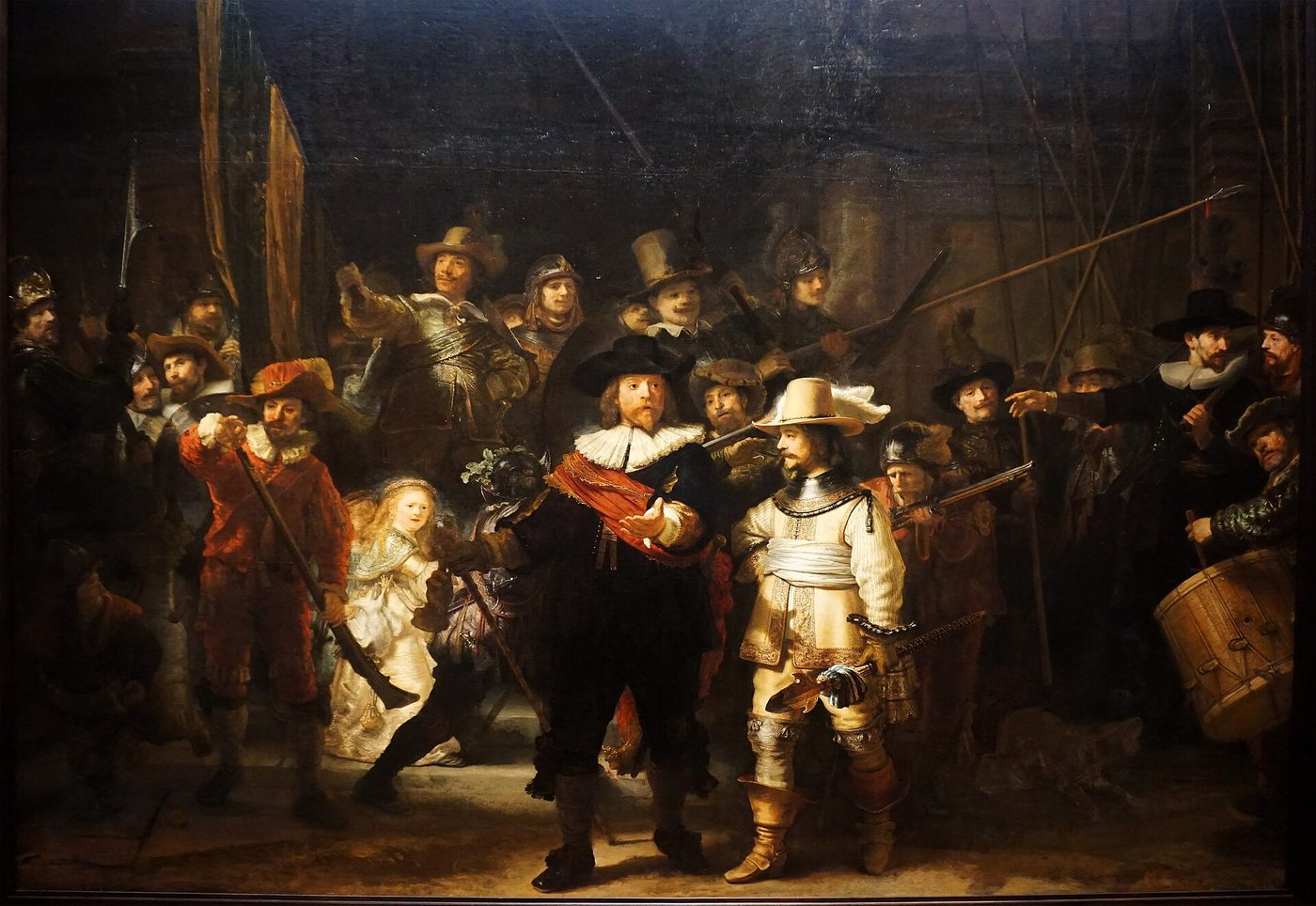
Artists such as Rembrandt (The Night Watch, 1642) and Vermeer made world-famous paintings, and science, printing and architecture flourished.
This wealth was partly built on colonial rule and on the slave trade. Slavery in Suriname and the Antilles was abolished on 1 July 1863. People remember it every year on Keti Koti.
Key words you will meet in the questions
Tachtigjarige Oorlog
Eighty Years’ War
Gouden Eeuw
Golden Age
VOC
Dutch East India Company
Willem van Oranje
William of Orange
slavernij
slavery
Part 4 of 5
From kingdom to democracy
After the French period the Netherlands became a kingdom in 1815. Over the next hundred years the country slowly became a democracy.
1815: the Kingdom of the Netherlands, with King Willem I.
1848: a new Constitution by Thorbecke makes the ministers responsible and gives parliament more power. This is the start of the parliamentary democracy.
1917: the school struggle is settled: public and religious schools are funded equally, and all men get the vote and elections become proportional.
1919: women get the right to vote (they may be elected from 1917).
The Netherlands was a founding member of the European Union’s predecessor in 1957, and since 2002 people pay in euros.
Key words you will meet in the questions
Grondwet 1848
Constitution of 1848
kiesrecht voor vrouwen
women’s right to vote
Europese Unie
European Union
Part 5 of 5
The Second World War and after
Germany attacked the Netherlands on 10 May 1940. The country was occupied until May 1945. These years are central to the Dutch memory.
Rotterdam was bombed on 14 May 1940, and the Netherlands surrendered soon after. Jews were persecuted and about 100,000 of the Dutch Jews were murdered, among them Anne Frank, who hid in the Achterhuis in Amsterdam and wrote a diary.
In the winter of 1944–1945, the Hunger Winter (Hongerwinter), many people in the west starved.
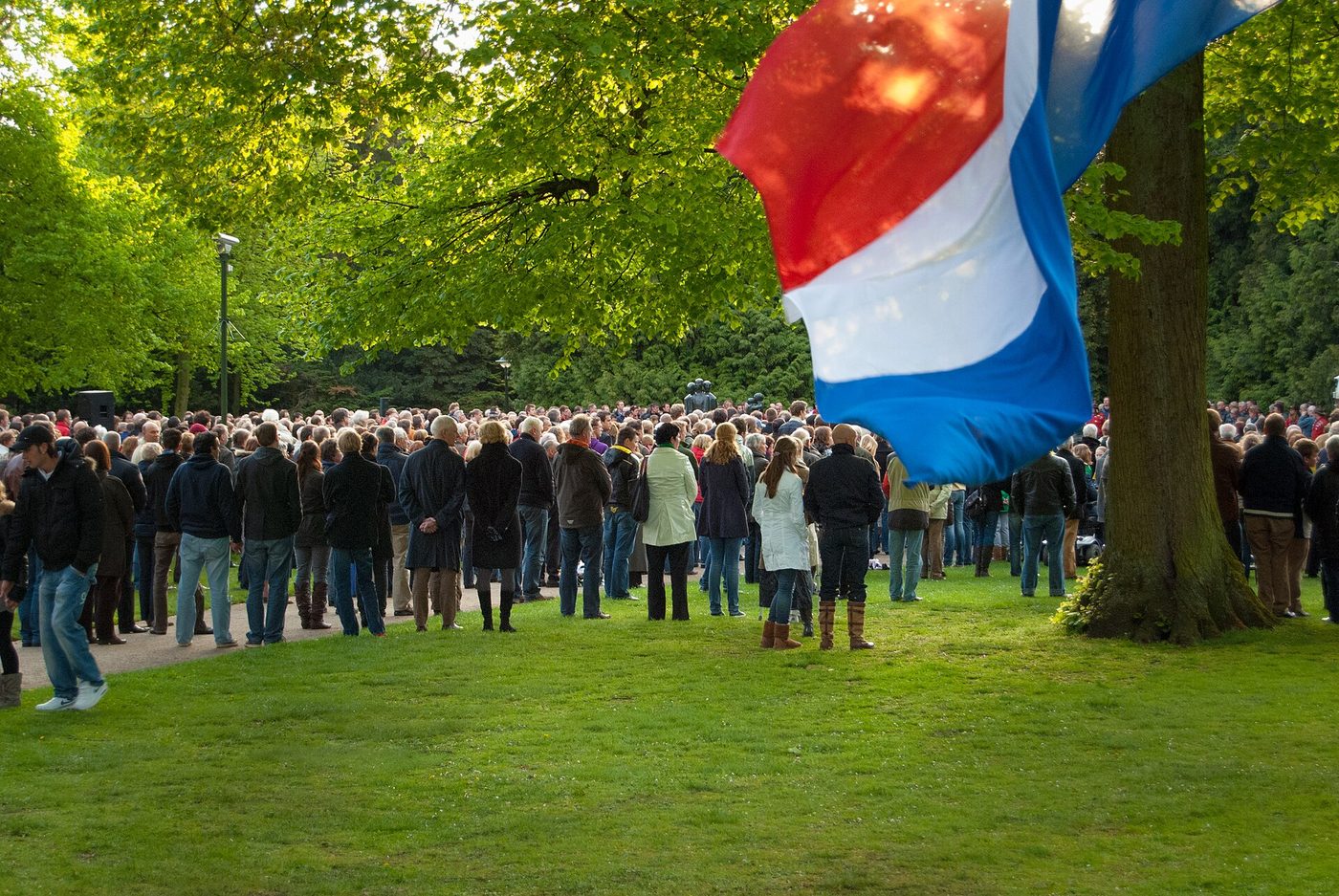
The country was liberated on 5 May 1945. Every year the Netherlands remembers the dead on 4 May (Remembrance Day, with two minutes of silence at 20:00) and celebrates freedom on 5 May (Liberation Day).
After the war, Indonesia became independent (1949) and Suriname in 1975. In the 1960s and 1970s workers came from Turkey and Morocco (guest workers, gastarbeiders), and later many people came from Suriname, the Antilles and other countries.
Queen Beatrix gave up the throne in 2013 and her son Willem-Alexander became king.
Exam tip: Two dates, two days: 4 May remembers the dead, 5 May celebrates freedom.
Key words you will meet in the questions
Tweede Wereldoorlog
Second World War
bezetting
occupation
Dodenherdenking
Remembrance Day (4 May)
Bevrijdingsdag
Liberation Day (5 May)
gastarbeider
guest worker
Remember for the exam
12 provinces; Amsterdam is the capital, The Hague is the seat of government; Rotterdam has the biggest port.
A large part of the country lies below sea level: dikes, polders, the Delta Works after the 1953 flood.
Eighty Years’ War 1568–1648; Golden Age in the 17th century (VOC, Rembrandt).
1848 Constitution, 1917 and 1919 universal voting rights, 1957 EU founding member.
WWII: occupied 1940–1945; 4 May remembrance, 5 May liberation.
Now practise this topic
Reading is the first step. Questions show you what you already know.
Study the questions on this topic
Every question of the bank on this topic, with its answer. Check yourself and mark what you do not know yet.