Before the United States existed, there were Native American nations, then colonies ruled by Great Britain. The questions in this part ask why people came, why the colonists wanted to be free, who fought and who led them.
Part 1 of 3
Native Americans and the thirteen colonies
People lived in North America for thousands of years before Europeans arrived, in many different nations.
Before the Europeans came, Native American nations lived across the continent, among them the Cherokee, the Navajo, the Sioux, the Chippewa, the Choctaw and the Iroquois.
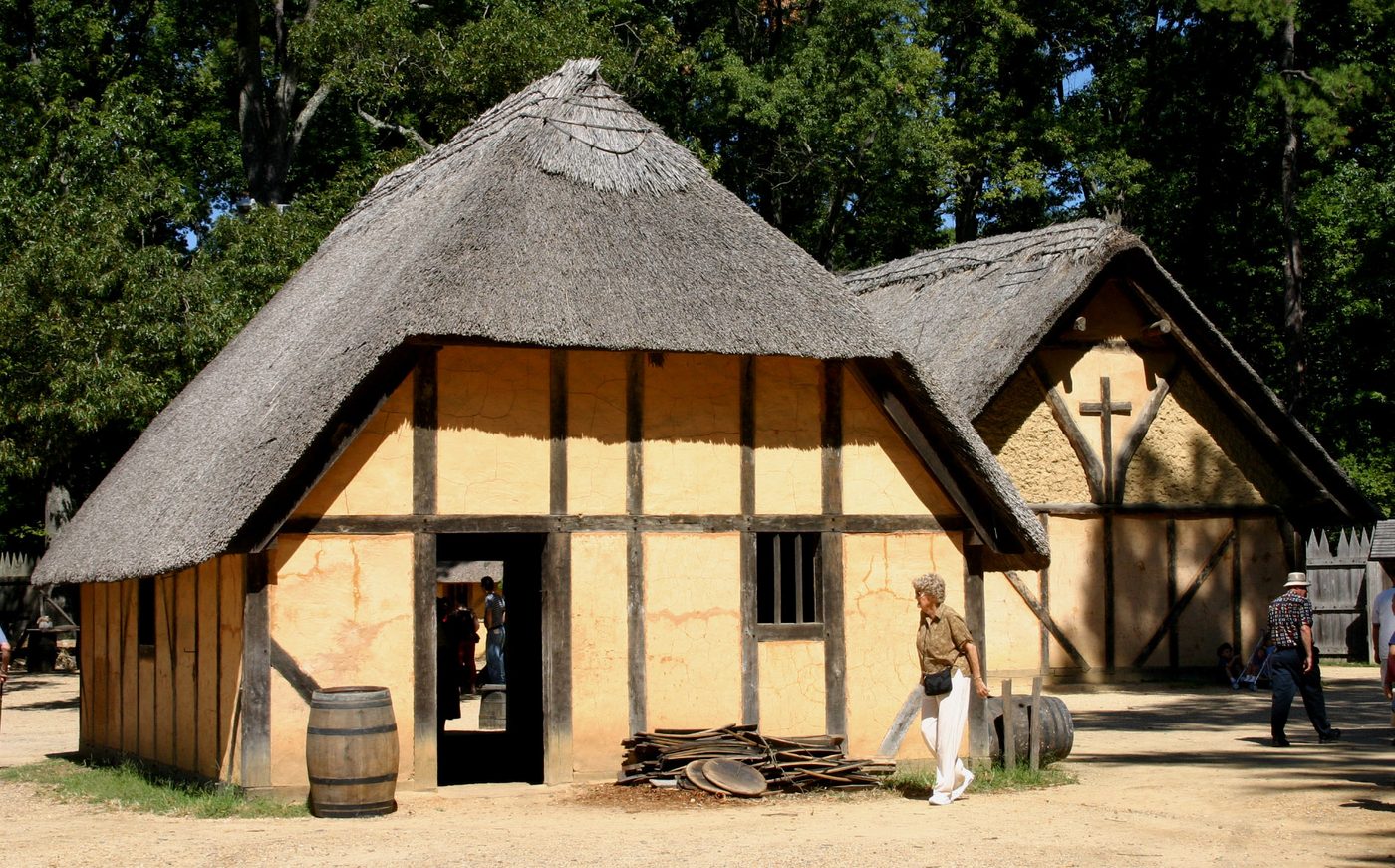
Europeans came for religious freedom, political liberty, economic opportunity and to escape persecution. The first permanent English settlement was Jamestown, Virginia, in 1607.
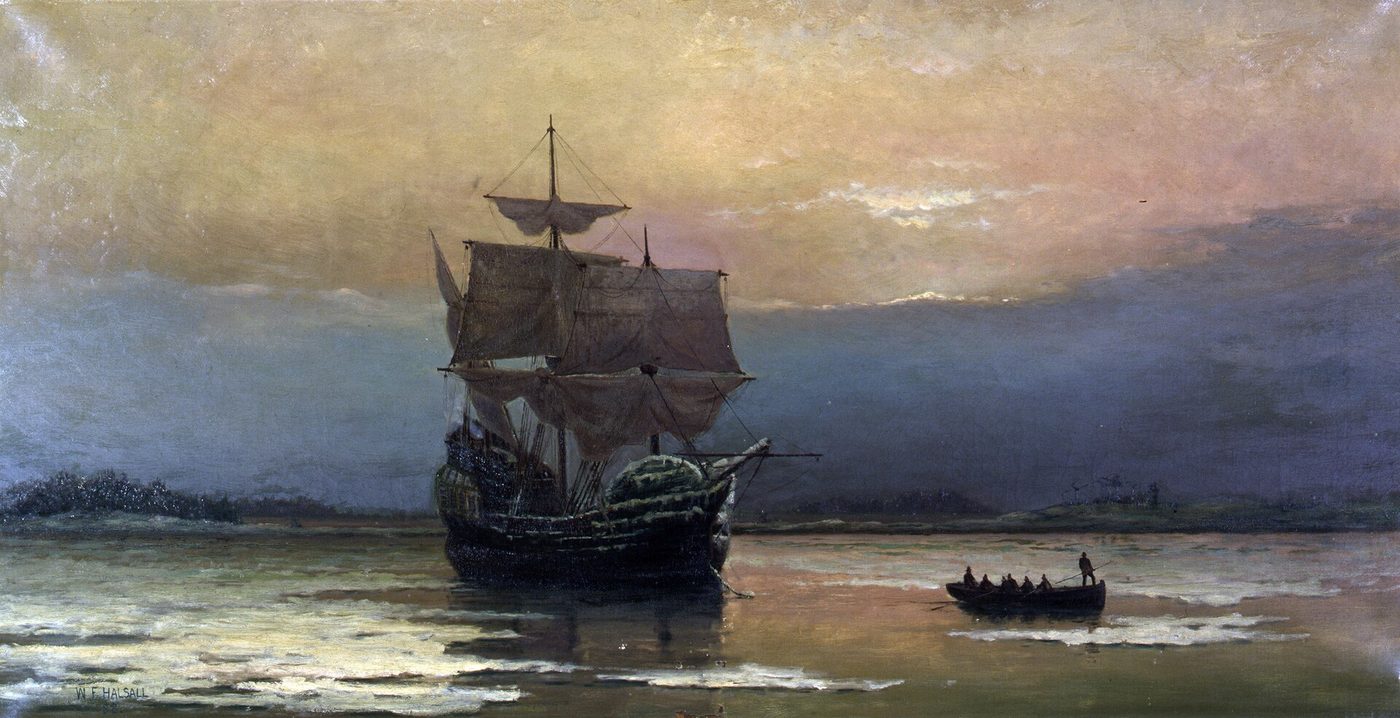
The Pilgrims arrived on the Mayflower in 1620 and founded Plymouth in Massachusetts. Thanksgiving remembers the harvest feast that they shared with Native Americans.
There were thirteen British colonies on the east coast. Many Africans were brought as enslaved people and forced to work, and slavery was part of the economy of the colonies.
The colonists were ruled from London, paid taxes to Great Britain and had no representatives in the British Parliament.
Key words you will meet in the questions
Native Americans
the first peoples of North America
colonist
a person who lives in a colony
Pilgrims
English settlers who came on the Mayflower
Jamestown
the first permanent English settlement (1607)
slavery
the system of owning people
Part 2 of 3
The American Revolution
The colonies fought a war against Great Britain from 1775 to 1783 and won their independence.
Reasons for the Revolution: the colonists did not want to pay British taxes without having a say (“no taxation without representation”), did not want British soldiers to live in their homes, and wanted self-government.
The Boston Tea Party (1773) was a protest against a tax on tea. The war began in 1775 and the Declaration of Independence was adopted on 4 July 1776.
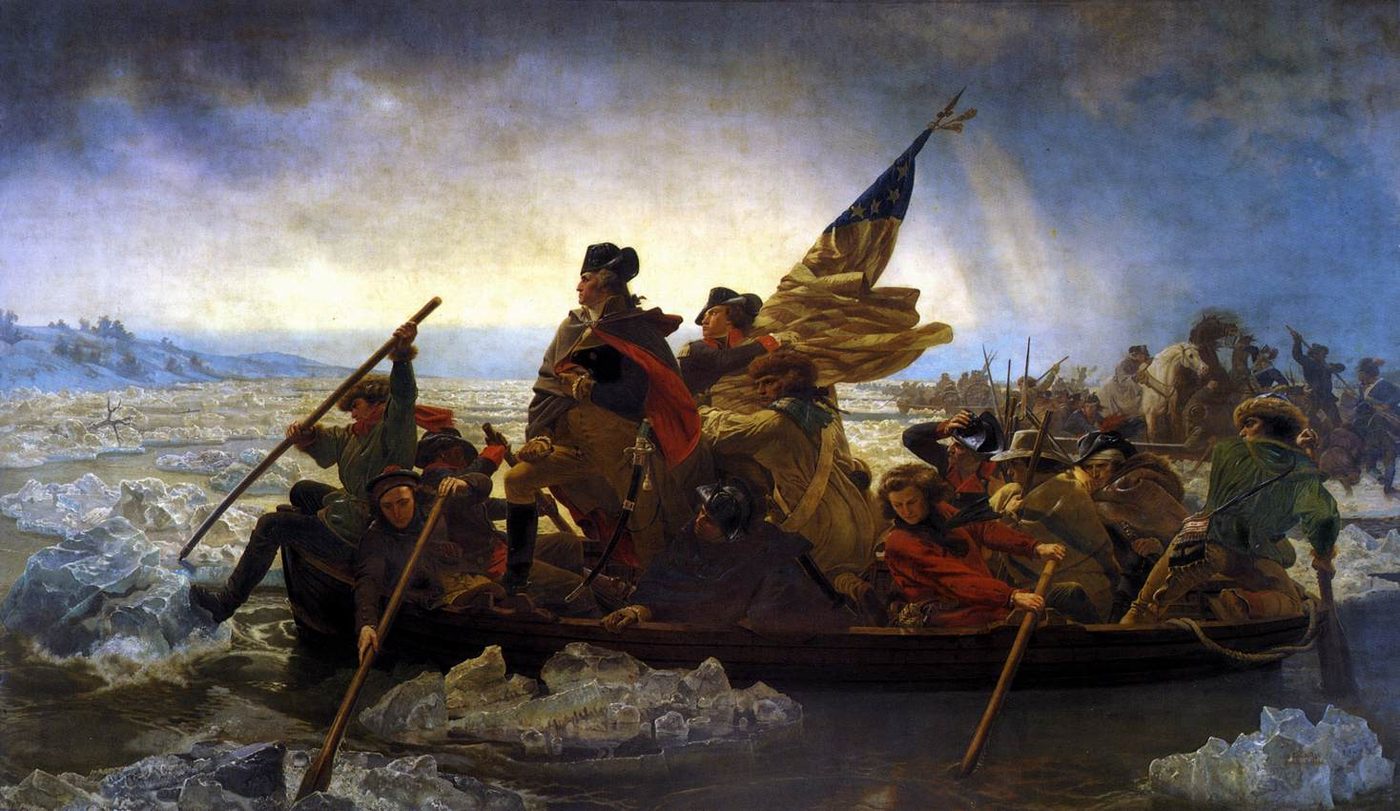
General George Washington led the American army. He crossed the Delaware River on Christmas night 1776 to surprise the British at Trenton.
France helped the Americans with soldiers, ships and money. The war ended with the Treaty of Paris in 1783, which recognised the independence of the United States.
Famous people of the time: Thomas Jefferson, Benjamin Franklin, John Adams, Samuel Adams, Patrick Henry (“Give me liberty or give me death”) and Paul Revere.
Exam tip: Washington led the army; Jefferson wrote the Declaration; Franklin was a diplomat and inventor.
Key words you will meet in the questions
Revolutionary War
the war of independence, 1775–1783
tax
money paid to the government
representation
having people who speak for you in government
independence
freedom from outside rule
treaty
an agreement between countries
Part 3 of 3
Founding the nation
After the war, the new country needed a stronger government. This led to the Constitution.
The first government was based on the Articles of Confederation, which was too weak. In 1787 the Constitutional Convention met in Philadelphia and wrote the Constitution.
The Federalist Papers were essays written by Alexander Hamilton, James Madison and John Jay to persuade people to approve the Constitution.
George Washington was the president of the Constitutional Convention and became the first president of the United States in 1789. He is called the “Father of Our Country”.
The Bill of Rights (the first ten amendments) was added in 1791. Benjamin Franklin was known as a writer, inventor and diplomat, and he started the first free libraries.
Key words you will meet in the questions
Constitutional Convention
the 1787 meeting that wrote the Constitution
Federalist Papers
essays supporting the Constitution
Founding Fathers
the founders of the nation
delegate
a representative at a meeting
first president
George Washington
Remember for the exam
Jamestown 1607; Mayflower and Plymouth 1620; thirteen colonies ruled by Great Britain.
The Revolution: 1775–1783; “no taxation without representation”; Declaration on 4 July 1776.
Washington led the army and became the first president; the Treaty of Paris was in 1783.
Constitutional Convention 1787; the Federalist Papers (Hamilton, Madison, Jay); Bill of Rights 1791.
Now practise this topic
Reading is the first step. Questions show you what you already know.
Study the questions on this topic
Every question of the bank on this topic, with its answer. Check yourself and mark what you do not know yet.