This part of the test is about what it means to be a citizen: what you are free to do, who can vote, what you must do and what you promise when you take the Oath of Allegiance. The questions are short and very practical.
Part 1 of 4
Your rights and freedoms
The Bill of Rights protects the freedoms of everybody who lives in the United States, citizens and non-citizens alike.
The First Amendment protects five freedoms: speech, religion, assembly (meeting in groups), the press, and the right to petition the government.
The Constitution protects the right to a fair trial, to a lawyer, the right to remain silent, and freedom from unreasonable searches of your home.
Everybody in the United States has these rights, not only citizens, for example the right to freedom of expression and the right to practise any religion or none.
Some rights belong to citizens only: voting in federal elections, running for federal office, serving on a federal jury and holding some government jobs.
Citizens can also apply for a U.S. passport and can bring family members to live in the country more easily.
Exam tip: The five First Amendment freedoms: speech, religion, assembly, press, petition.
Key words you will meet in the questions
freedom of speech
the right to say what you think
freedom of religion
the right to follow any religion or none
assembly
meeting together in groups
press
newspapers and the media
petition
a formal request to the government
Part 2 of 4
Voting and elections
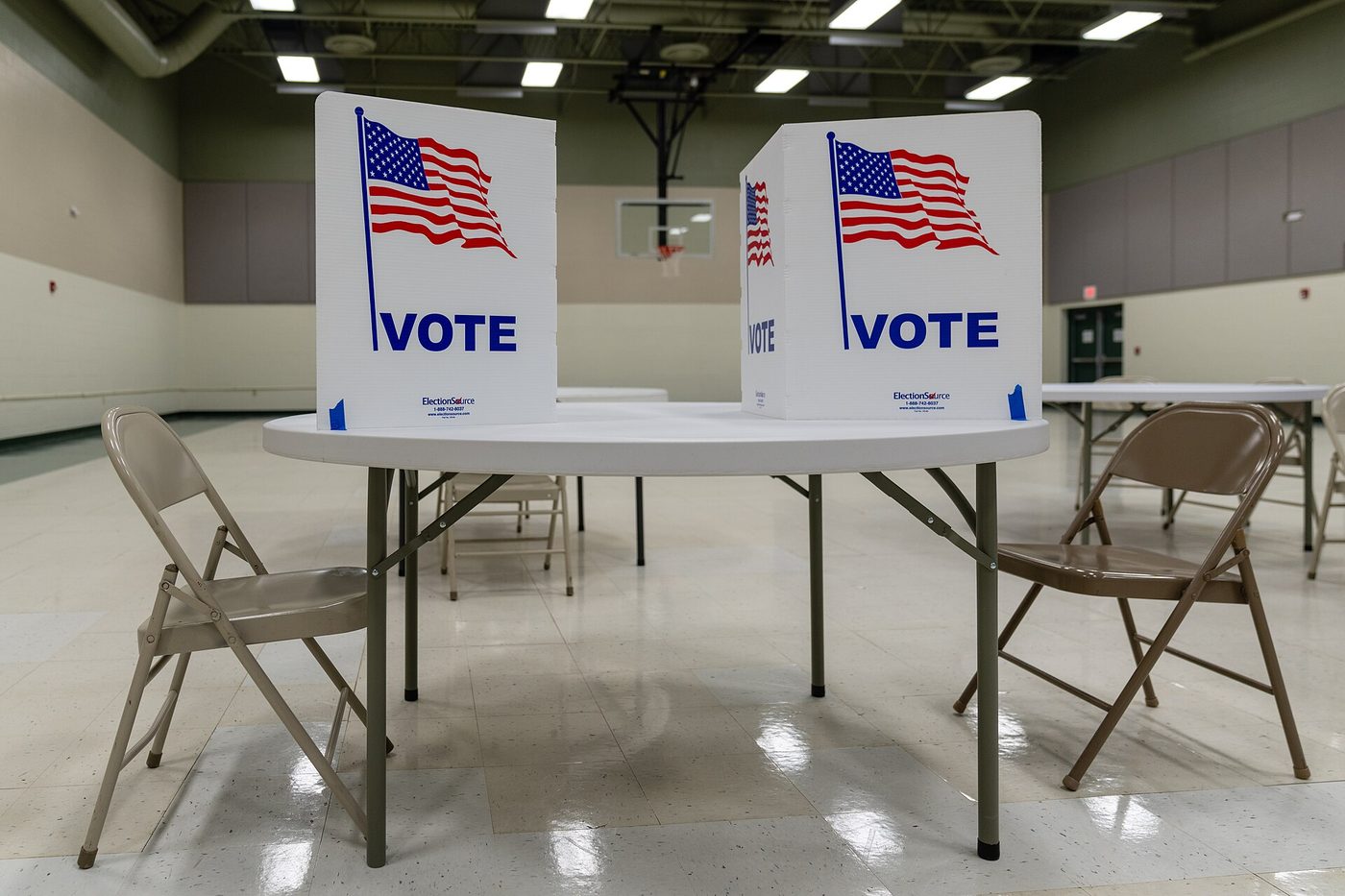
Voting is the most important way to take part in a democracy. Several amendments widened the right to vote over time.
You must be a citizen and at least 18 years old to vote in a federal election. You also have to register to vote in your state.
Amendments about voting: the 15th (1870) gave the right to vote to men of every race, the 19th (1920) gave women the right to vote, the 24th (1964) ended the poll tax and the 26th (1971) lowered the voting age to 18.
Federal elections are held on the first Tuesday after the first Monday in November, and the president is elected every 4 years, senators every 6, and representatives every 2.
People can also take part by running for office, joining a political party, calling their representatives, signing a petition or helping with a campaign.
The two main political parties are the Democratic Party and the Republican Party.
Key words you will meet in the questions
vote
to choose in an election
register to vote
to put your name on the voting list
election
a vote to choose officials
political party
a group with shared political ideas
amendment
a change to the Constitution
Part 3 of 4
Responsibilities of a citizen
With rights come responsibilities. The test separates the duties that everybody must do from the ones that are choices.
Responsibilities that are required: pay federal and state taxes, obey the law, serve on a jury when called, and, for men 18 to 25, register with the Selective Service (the system for a possible military draft).
Responsibilities that are encouraged: vote, stay informed about the news, join a community group, help your neighbours and defend the country if necessary.
You must also be loyal to the United States, and you show it by taking part in your community.
Americans file a federal tax return each year; the deadline is normally 15 April.
Key words you will meet in the questions
responsibility
something you must do
jury
citizens who decide a court case
Selective Service
the system to register for a possible draft
tax
money paid to the government
obey
to follow the law
Part 4 of 4
The Oath of Allegiance and becoming a citizen
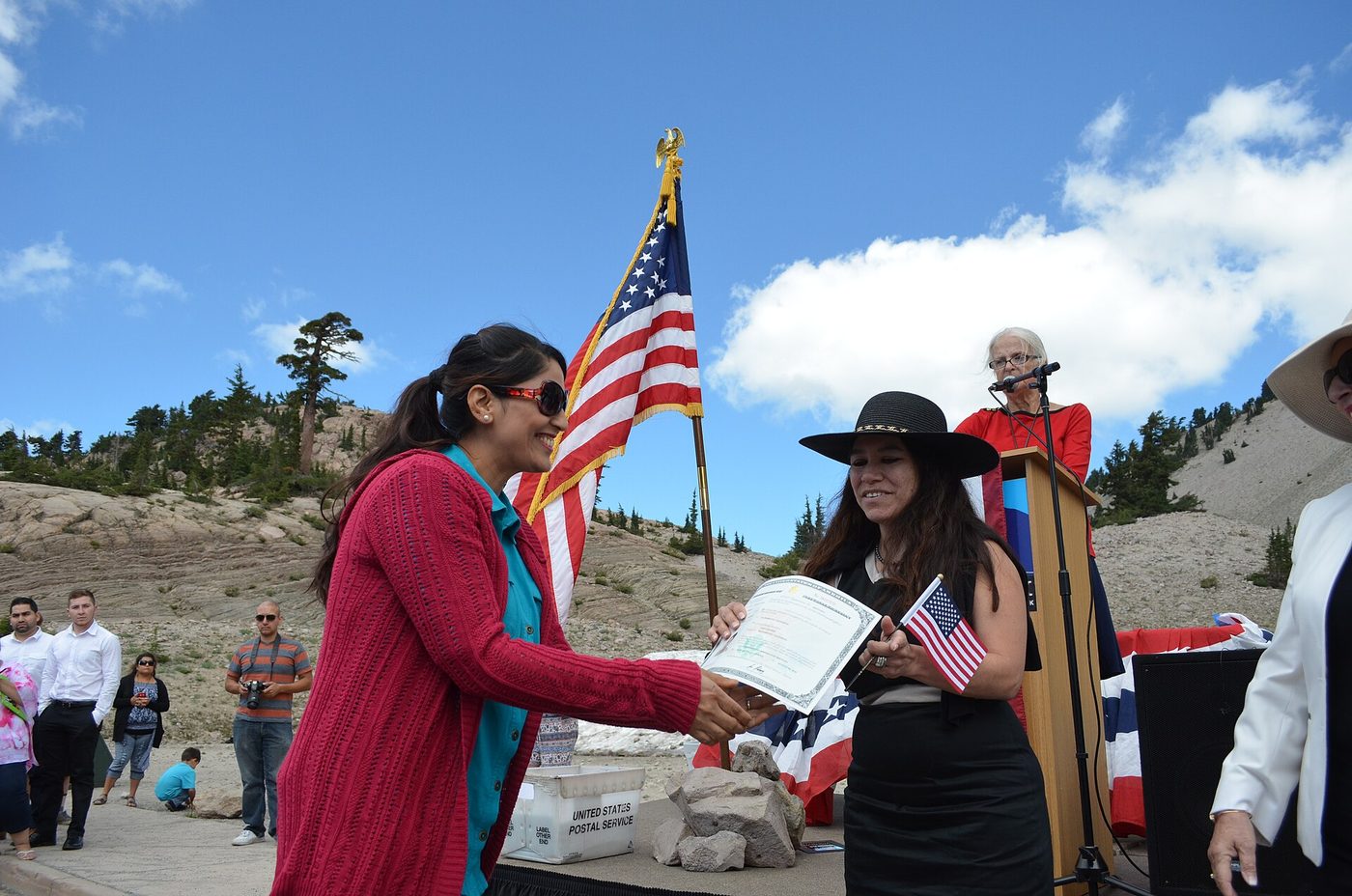
The last step of naturalization is the ceremony where you take the Oath of Allegiance. It is also in the civics test.
In the Oath you promise to give up loyalty to other countries, to defend the Constitution and the laws of the United States, to obey the laws, to serve in the military if needed and to do important work for the country when asked.
To apply for naturalization, you must be 18 or older, be a lawful permanent resident (usually for 5 years, or 3 if married to a U.S. citizen), live in the country continuously and show good moral character.
At the interview you take an English test (reading, writing and speaking) and the civics test, and you answer questions about your application.
Citizenship Day is on 17 September, and people who become citizens also receive a Certificate of Naturalization.
Key words you will meet in the questions
Oath of Allegiance
the promise made at the naturalization ceremony
naturalization
becoming a citizen
permanent resident
a person with a green card
loyalty
faithfulness to a country
citizen
a legal member of a country
Remember for the exam
First Amendment: speech, religion, assembly, press, petition. Everybody in the U.S. has these rights.
Vote at 18 and register; 15th, 19th, 24th and 26th amendments widened the vote.
Required: pay taxes, obey the law, serve on a jury, Selective Service for men 18–25.
The Oath of Allegiance: give up loyalty to other countries, defend the Constitution, obey the laws.
Now practise this topic
Reading is the first step. Questions show you what you already know.
Study the questions on this topic
Every question of the bank on this topic, with its answer. Check yourself and mark what you do not know yet.