This is the biggest part of the civics test. It asks what each branch of the federal government does, how many members it has and how long they serve. The numbers are the main thing to learn.
Some answers depend on the day you take the test: the names of the president, the vice president, the Speaker of the House and the Chief Justice, and of your own state’s senators, representative and governor. They are not in this guide: look them up on the day of your interview.
Part 1 of 4
Congress: the Senate and the House of Representatives
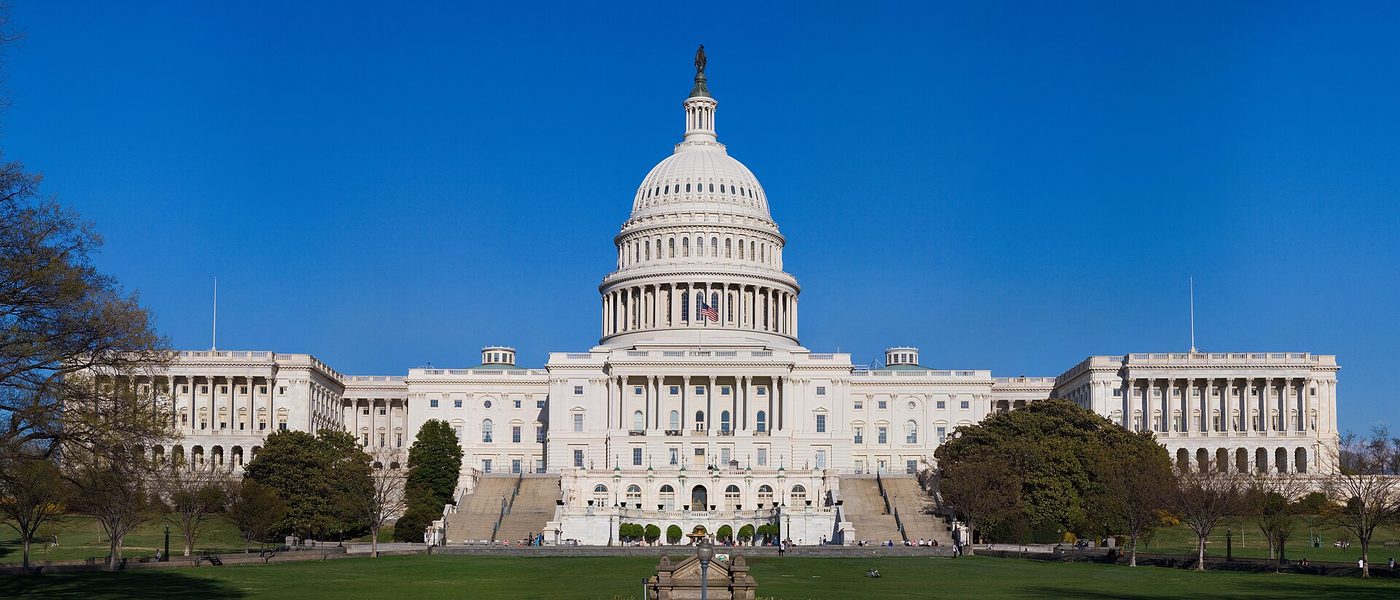
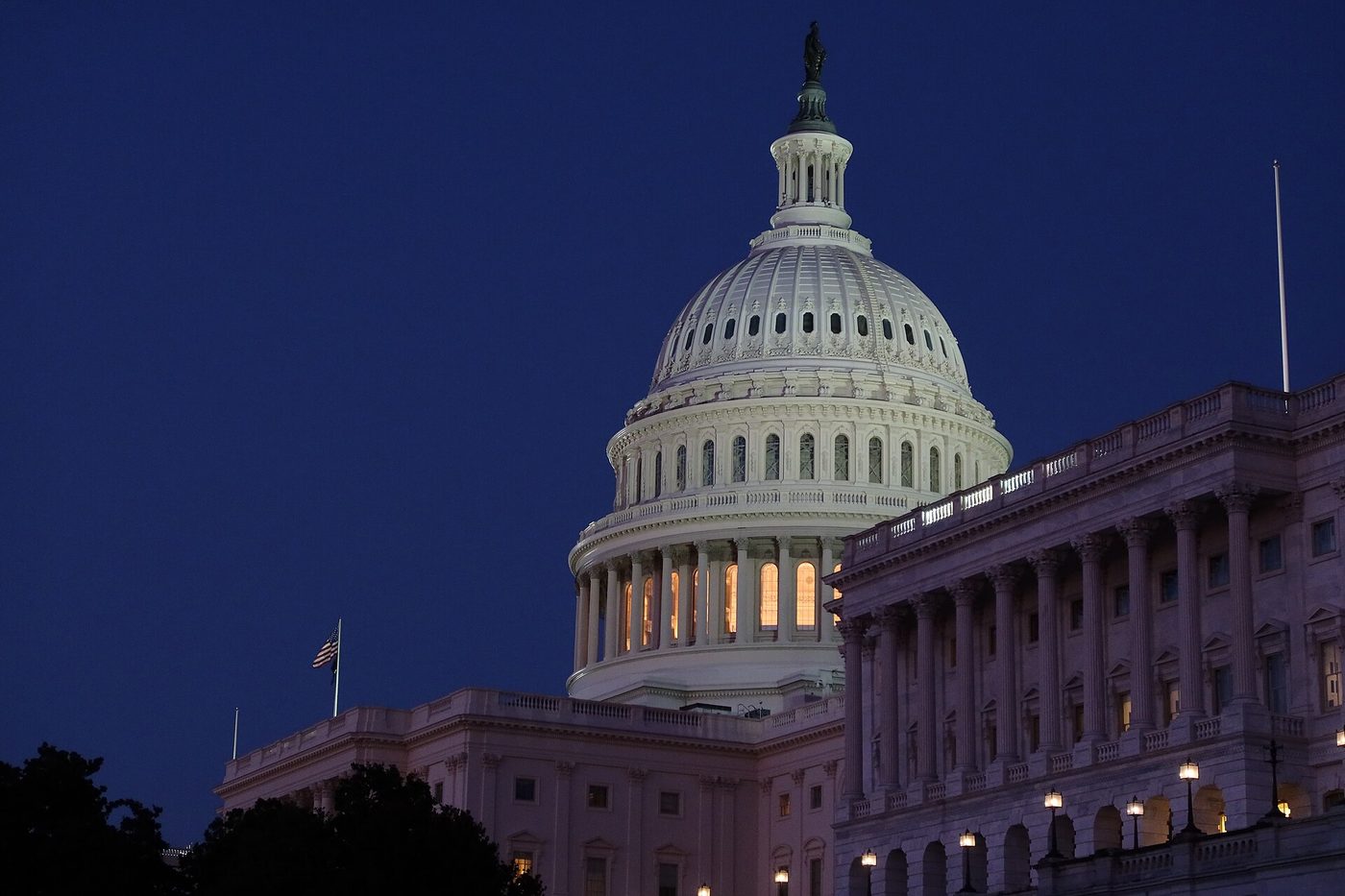
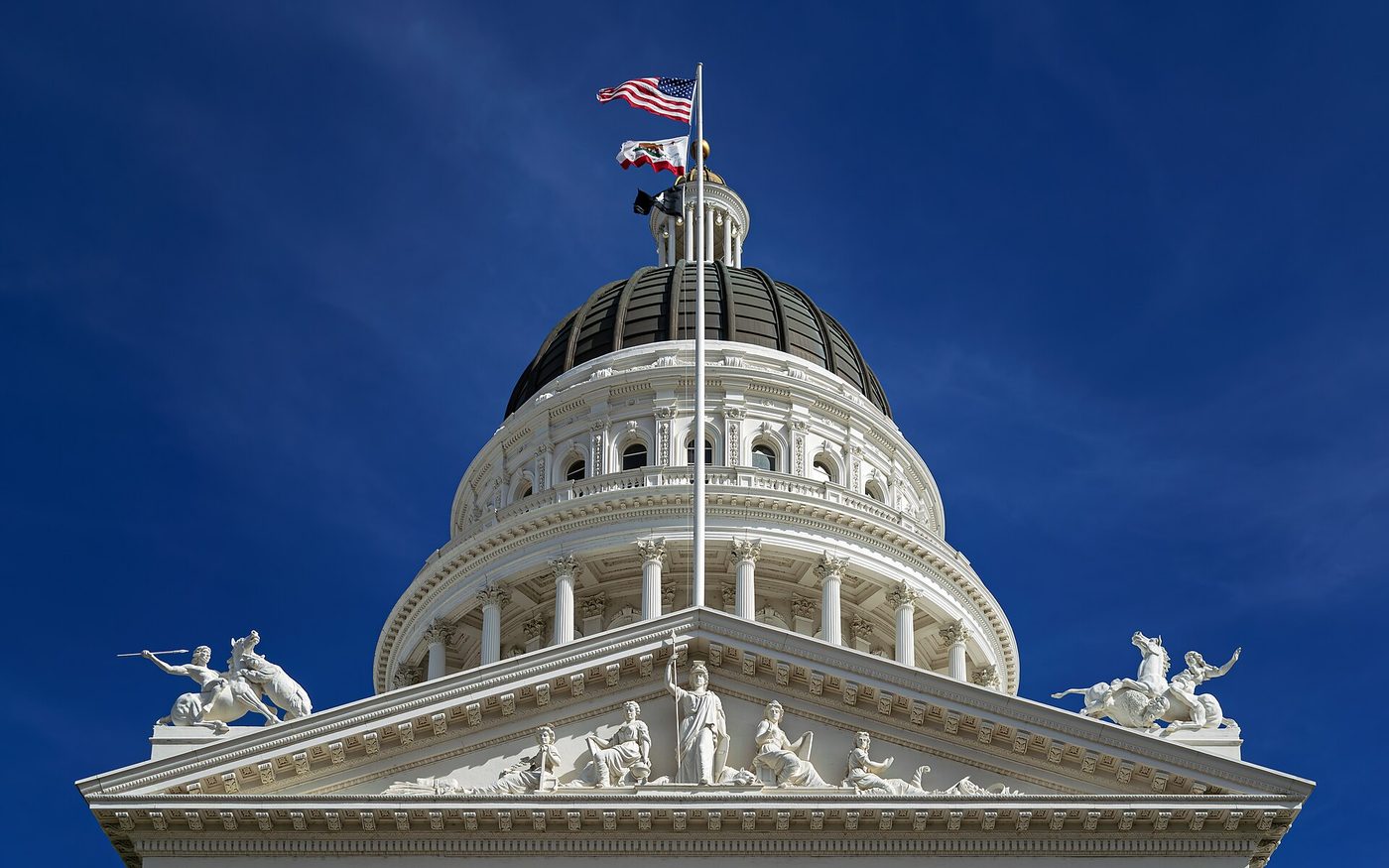
Congress is the legislative branch. It makes the federal laws, and it meets in the Capitol in Washington, D.C.
Congress has two parts, or “houses”: the Senate and the House of Representatives. Together they are the U.S. Congress.
There are 100 senators: two for each of the 50 states. A senator is elected for 6 years.
There are 435 voting members in the House of Representatives. A representative is elected for 2 years, and the number of representatives of a state depends on its population.
The Speaker of the House leads the House. The vice president is the president of the Senate and only votes to break a tie.
A bill is an idea for a new law. If both houses pass it and the president signs it, it becomes a law. Congress can also declare war, collect taxes and approve the budget.
Exam tip: Senate: 100 senators, 6 years. House: 435 voting members, 2 years.
Key words you will meet in the questions
Congress
the legislative branch
Senate
the 100-member upper house
House of Representatives
the 435-member lower house
bill
a proposed law
veto
the president’s rejection of a bill
Part 2 of 4
The president and the executive branch
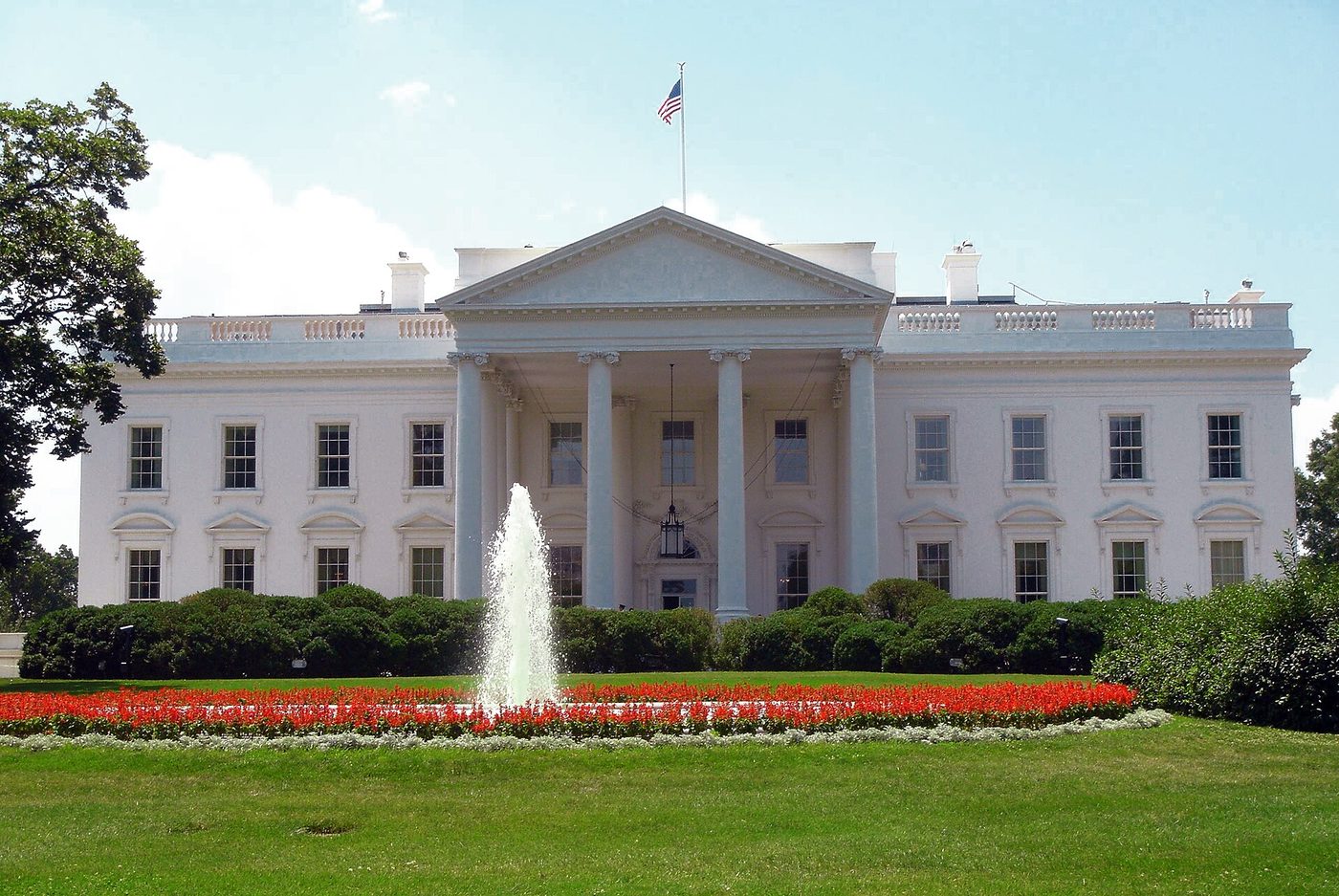
The president is the head of the executive branch. He or she carries out the laws, is the commander in chief of the military and lives and works in the White House.
The president is elected for 4 years and can serve a maximum of two terms. To be president you must be a natural-born citizen and at least 35 years old.
The president is chosen by the Electoral College, and elections are held in November, on the first Tuesday after the first Monday.
The president signs or vetoes bills, makes treaties, appoints federal judges, directs the military and is the chief diplomat.
The vice president becomes president if the president can no longer serve. The Cabinet is a group of advisors who lead the departments of the government, such as State, Defense and Treasury.
The first president was George Washington. Washington, D.C. is the capital of the United States.
Key words you will meet in the questions
president
the head of the executive branch
commander in chief
the leader of the military
Cabinet
the president’s advisors
Electoral College
the system that elects the president
term
the length of time an official serves
Part 3 of 4
The Supreme Court and the judicial branch
The judicial branch explains the laws and decides if they agree with the Constitution.
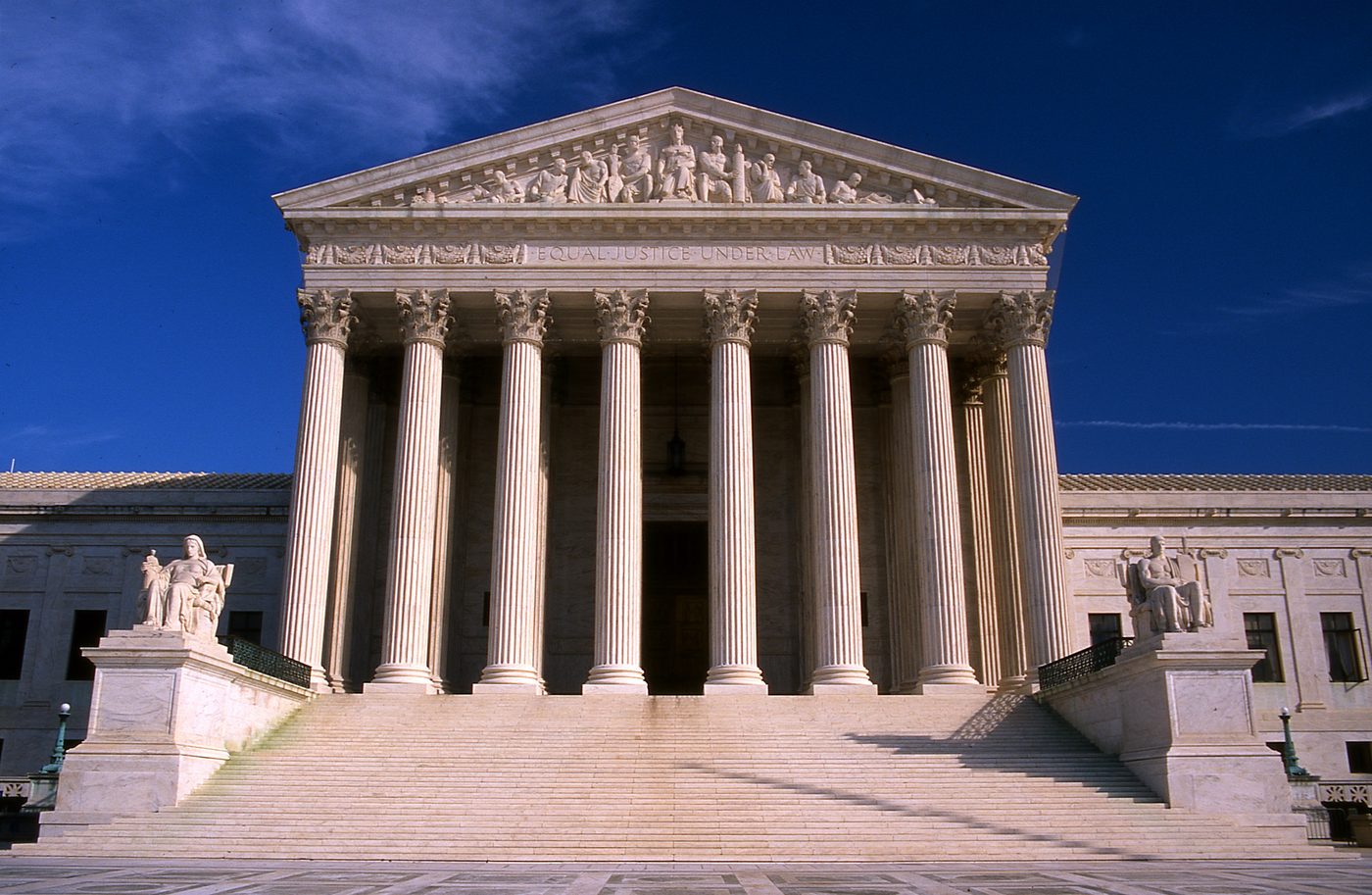
The highest court is the Supreme Court. It has 9 justices, and one of them is the Chief Justice, who leads the Court.
Justices are appointed by the president and approved by the Senate. They serve for life, so that they stay independent.
The courts review laws, explain them and decide if they are constitutional. Below the Supreme Court there are federal appeals courts and district courts, and each state has its own courts.
The court decides disputes between people and between the people and the government, and judges must follow the Constitution.
Key words you will meet in the questions
Supreme Court
the highest federal court
justice
a judge of the Supreme Court
Chief Justice
the leader of the Supreme Court
judicial branch
the courts
appeal
asking a higher court to review a decision
Part 4 of 4
The states and local government
The United States has 50 states, and power is shared between the federal government and the states.
The federal government has powers such as printing money, declaring war, creating an army and making treaties; the states have the other powers, such as schools, driver’s licences, and police.
Each state has a governor, who is the head of the state government, and a capital city. The governor and your state’s senators and representative are asked about in the test: look them up.
There are also territories, such as Puerto Rico, Guam and the U.S. Virgin Islands, which have their own governments. Washington, D.C. is not a state.
Local government includes counties, cities and towns, with mayors and councils. Each state also has a capital, where its legislature meets.
Key words you will meet in the questions
state
one of the 50 parts of the country
governor
the head of a state government
capital
the seat of a government
territory
an area governed by the U.S. but not a state
county
a division of a state
Remember for the exam
Congress = Senate (100, 6 years) + House of Representatives (435, 2 years); it makes the laws.
The president: 4-year term, maximum two terms, commander in chief, lives in the White House.
Supreme Court: 9 justices, appointed for life, explains the laws.
50 states, each with a governor; the capital is Washington, D.C.
Look up the current names on the day: president, vice president, Speaker, Chief Justice, your senators, representative and governor.
Now practise this topic
Reading is the first step. Questions show you what you already know.
Study the questions on this topic
Every question of the bank on this topic, with its answer. Check yourself and mark what you do not know yet.