Living in France gives you rights and asks you for duties. The exam checks that you know the main ones, and that you know what to do and who to call in everyday and emergency situations.
Part 1 of 4
Your rights and freedoms
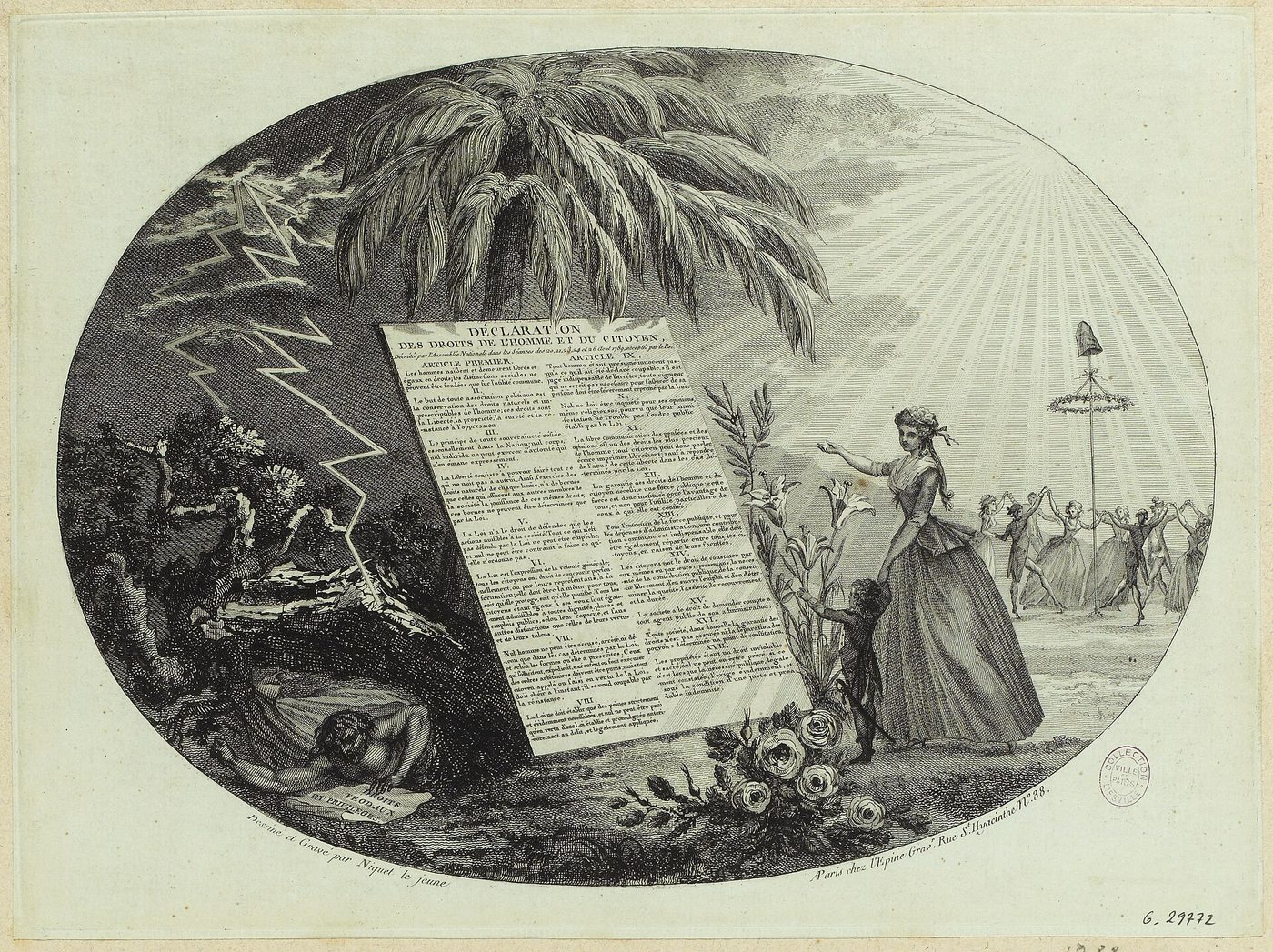
The Declaration of the Rights of Man and of the Citizen (1789) and the Constitution protect the freedoms of all the people who live in France.
Freedom of opinion and expression, of the press, of religion and conscience, of assembly and demonstration, and of association (for example to create an association, a union or a party).
Freedom to move, to choose your job, to marry whom you want and to have private and family life.
The right to a fair trial, to a lawyer and to be presumed innocent; nobody can be arrested or kept without a legal reason.
The right to education, to health care, to work and to join a union and to strike.
The freedom of expression has limits: insulting, threatening, inciting hatred, denying crimes against humanity or defaming somebody is punished by law.
Key words you will meet in the questions
liberté d’expression
freedom of expression
liberté de la presse
freedom of the press
droit de grève
the right to strike
association
association (a non-profit group)
manifestation
demonstration
Part 2 of 4
Your duties as a resident and a citizen
Rights and duties go together. The most important duties are these.
Respect the law and the rights of others. Nobody is above the law, and not knowing it is no excuse.
Pay your taxes (impôts) according to your means: income tax, housing tax and the VAT you pay when you buy. They finance schools, hospitals and roads.
Send your children to school: education is compulsory from 3 to 16 years old (from 3 since 2019).
Take part in the Defence and Citizenship Day (JDC, the Journée défense et citoyenneté) if you are a young French person. Military service has been suspended since 1997.
Be a juror if you are chosen for a cour d’assises, and respect the rules of living together: noise, waste, traffic and neighbours.
Key words you will meet in the questions
devoir
duty
impôt
tax
scolarité obligatoire
compulsory schooling
loi
law
JDC
Defence and Citizenship Day
Part 3 of 4
School, work and health care
Public school is free and secular. Work and health are protected by the social security system.
The school system goes from école maternelle (3–6) to école élémentaire (6–11), collège (11–15) and lycée (15–18). Public schools are free.
At work you have a contract (contrat de travail), a minimum wage (SMIC), paid holidays (five weeks a year) and a legal working week of 35 hours.
Health insurance (Assurance maladie, “la Sécu”) pays part of your medical costs. You register to get a social security number and a Carte Vitale, and you choose a family doctor (médecin traitant).
A complementary health insurance (la mutuelle) pays more of the costs; the CSS (Complémentaire santé solidaire) helps people with a low income.
If you lose your job you can register at France Travail (formerly Pôle emploi) and ask for unemployment benefit.
Key words you will meet in the questions
carte Vitale
the health insurance card
médecin traitant
family doctor
mutuelle
complementary health insurance
contrat de travail
work contract
SMIC
minimum wage
Part 4 of 4
Emergency numbers
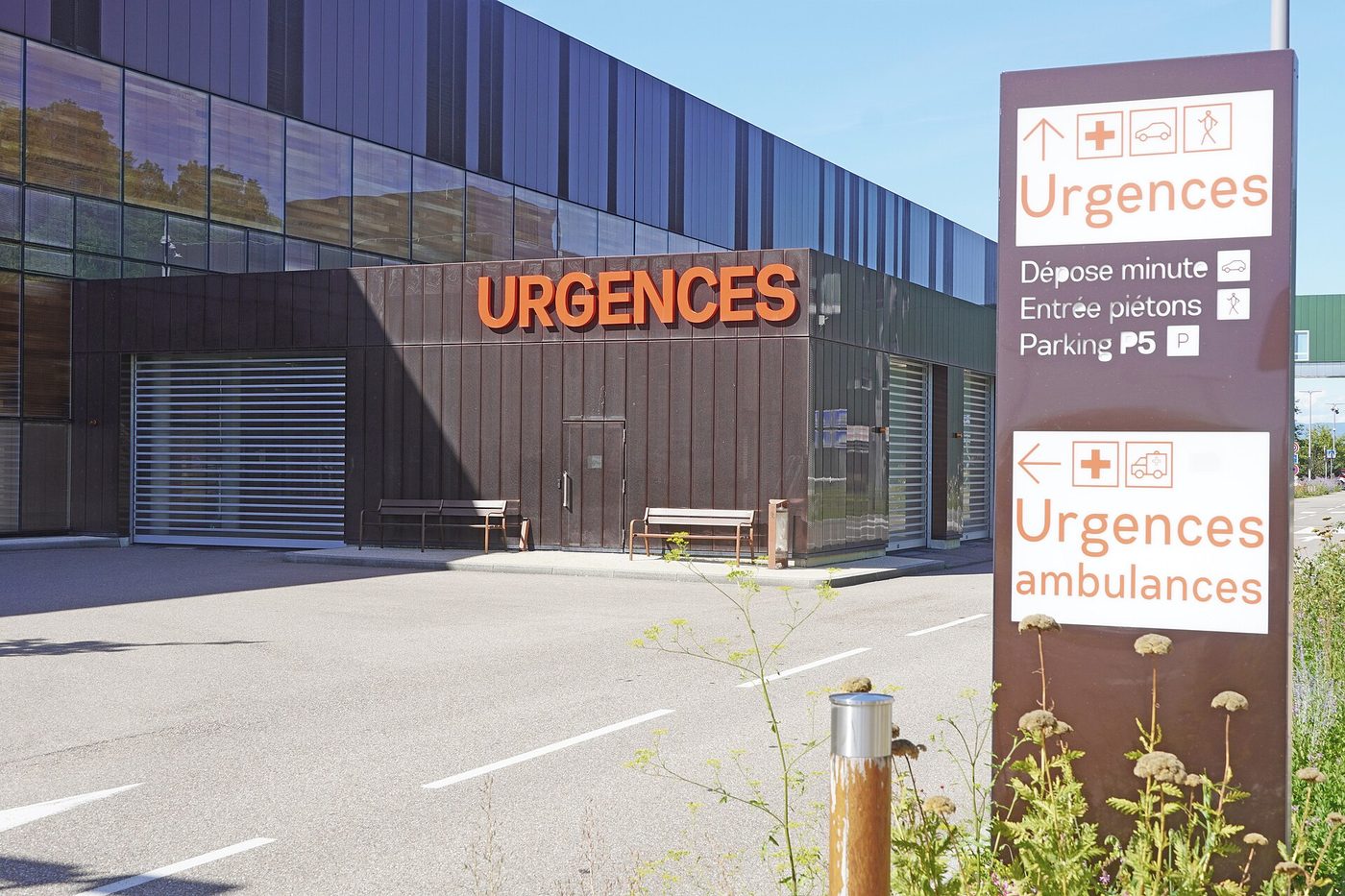
Knowing who to call is one of the most practical questions of the exam, and the numbers are free to call.