France is a democratic Republic of the Fifth Republic, born in 1958. Power is divided between the President, the Government and Parliament, and the judges are independent. The exam asks who does what, how people are elected and what the local authorities do.
Part 1 of 6
The President of the Republic
The President is the head of State. He or she is elected by all the voters and works from the Élysée Palace in Paris.
The President is elected by direct universal suffrage for five years (since 2000), in two rounds, and can be re-elected only once in a row (since 2008).
The President appoints the Prime Minister, presides over the Council of Ministers, signs the laws and the decrees, is the head of the armed forces and represents France abroad.
The President can dissolve the National Assembly and call a referendum, and can use special powers in a grave crisis (Article 16).
The first President of the Fifth Republic was General de Gaulle (1959–1969).
Key words you will meet in the questions
Président de la République
the President of the Republic
Élysée
the presidential palace
suffrage universel direct
direct universal suffrage
quinquennat
five-year term
référendum
referendum
Part 2 of 6
The Government and the Prime Minister
The Government decides and leads the policy of the nation. It is led by the Prime Minister and works from the Hôtel de Matignon.
The Prime Minister (Premier ministre) is appointed by the President and leads the Government and the ministers.
The Government is responsible to the National Assembly, which can force it to resign with a motion of censure (motion de censure).
Each minister runs a ministry, for example the Interior, Education, Health, the Economy.
The Government proposes laws (projets de loi) and makes the regulations (décrets) that apply them.
Key words you will meet in the questions
Premier ministre
Prime Minister
ministre
minister
Gouvernement
the Government
motion de censure
motion of censure
décret
decree
Part 3 of 6
Parliament: the National Assembly and the Senate
Parliament votes the laws, controls the Government and votes the budget. It has two chambers.
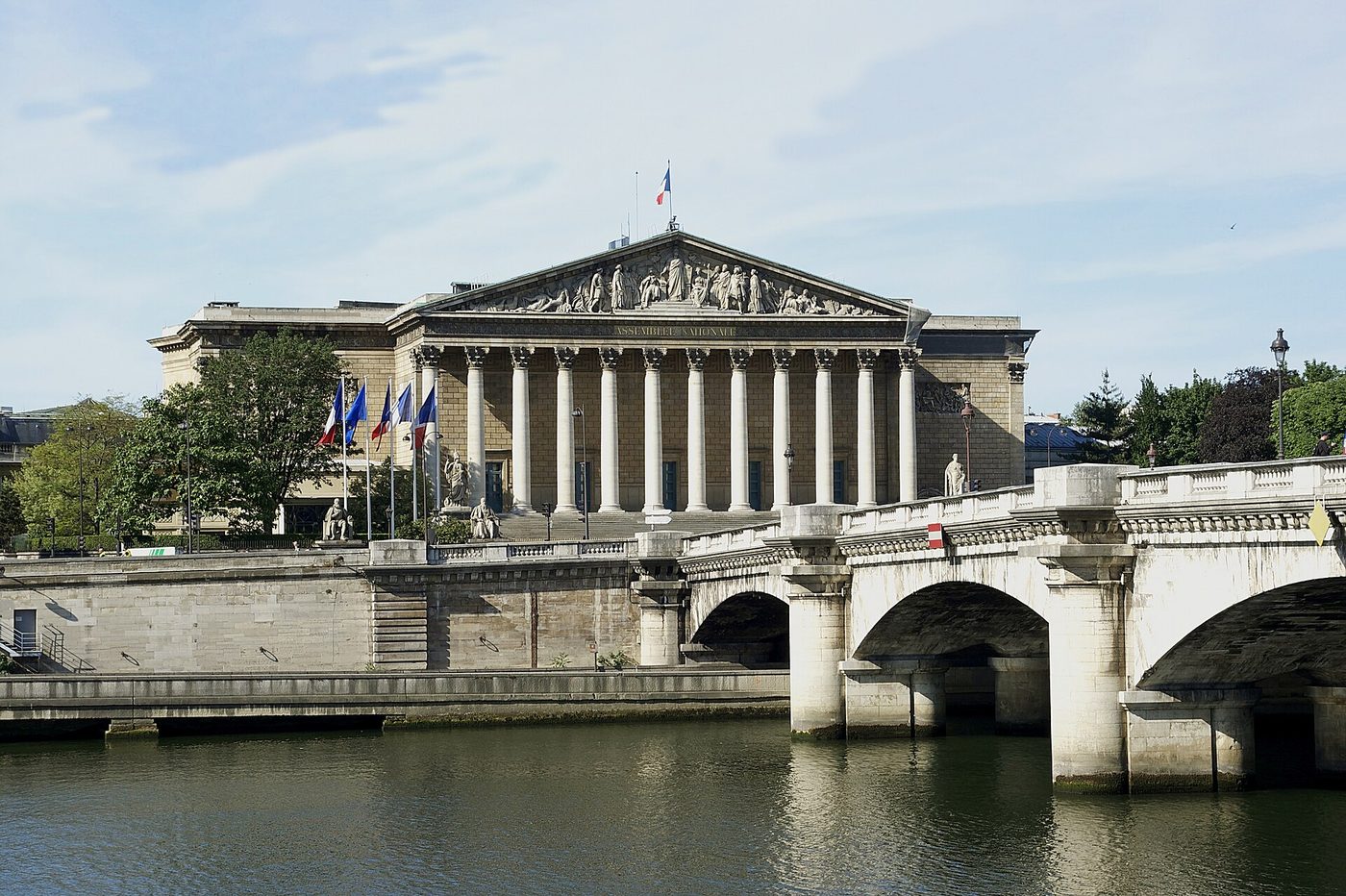
The National Assembly (Assemblée nationale) has 577 deputies elected by direct universal suffrage for five years. It sits in the Palais Bourbon, in Paris.
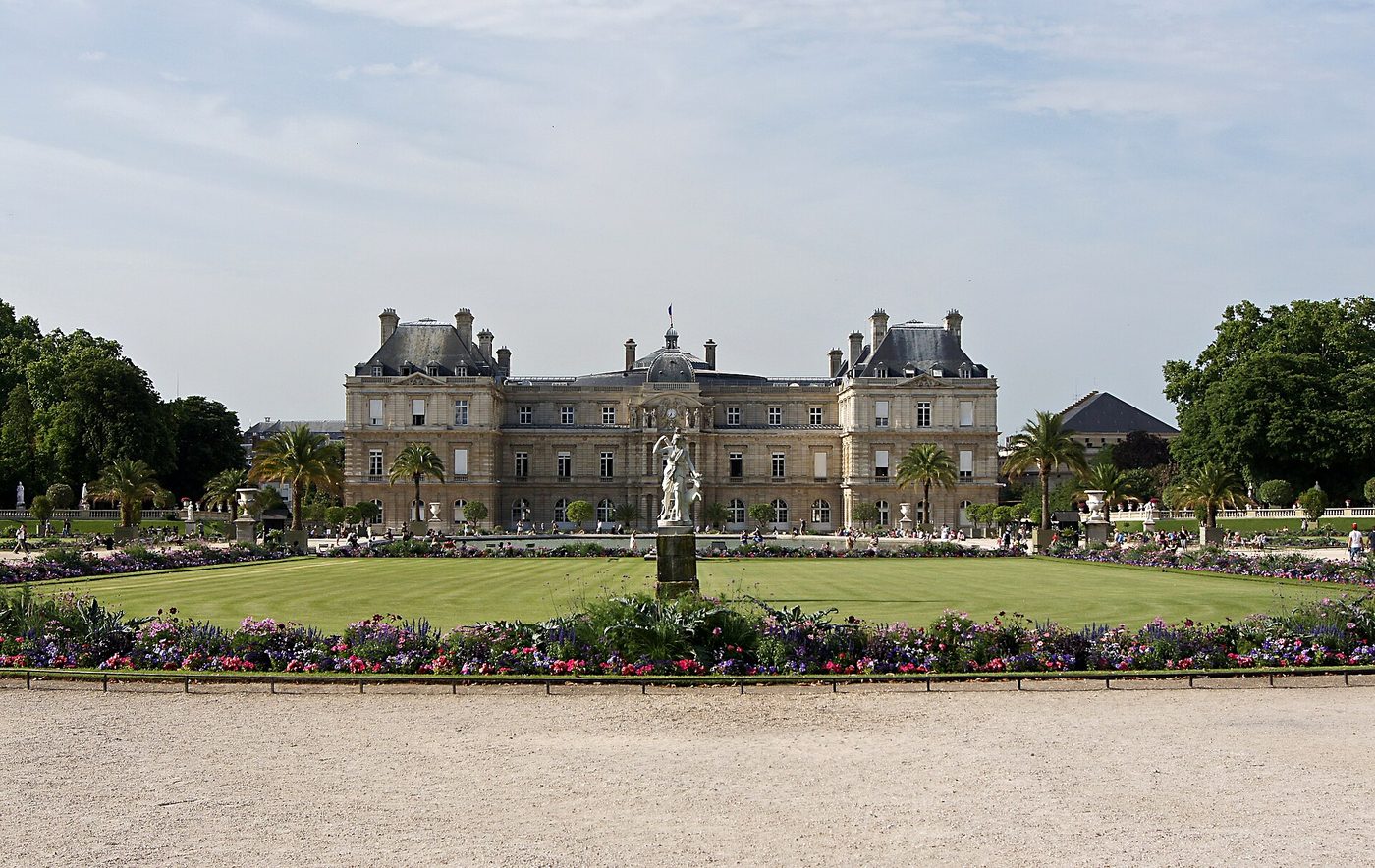
The Senate (Sénat) has 348 senators, elected by indirect suffrage (by local elected officials) for six years, and half of it is renewed every three years. It sits in the Palais du Luxembourg.
A law has to be voted by both chambers; in case of disagreement the National Assembly has the last word.
A deputy represents a constituency (circonscription). The President of the National Assembly and the President of the Senate are the heads of the two chambers.
Exam tip: 577 deputies, 5 years. 348 senators, 6 years.
Key words you will meet in the questions
Parlement
Parliament
député
deputy (member of the National Assembly)
sénateur
senator
loi
law
circonscription
constituency
Part 4 of 6
Elections and voting
Voting is a right and a civic duty, although it is not obligatory in France.
You can vote if you are French, 18 or older, and registered on the electoral roll (liste électorale). The vote is secret and free.
The main elections are the presidential, legislative (deputies), municipal (the mayor), departmental, regional and European elections.
The presidential and legislative elections have two rounds (tours): if nobody has the majority in the first, the two with most votes (for the presidential) go to the second.
You vote at a polling station (bureau de vote) with an identity document, and you can vote by proxy (procuration) if you cannot go.
Citizens of the European Union living in France can vote in the municipal and European elections.
Key words you will meet in the questions
élection
election
liste électorale
electoral roll
bureau de vote
polling station
procuration
proxy vote
tour
round (of an election)
Part 5 of 6
Local government: communes, départements and regions
France is a unitary State but it has local authorities with their own elected councils.
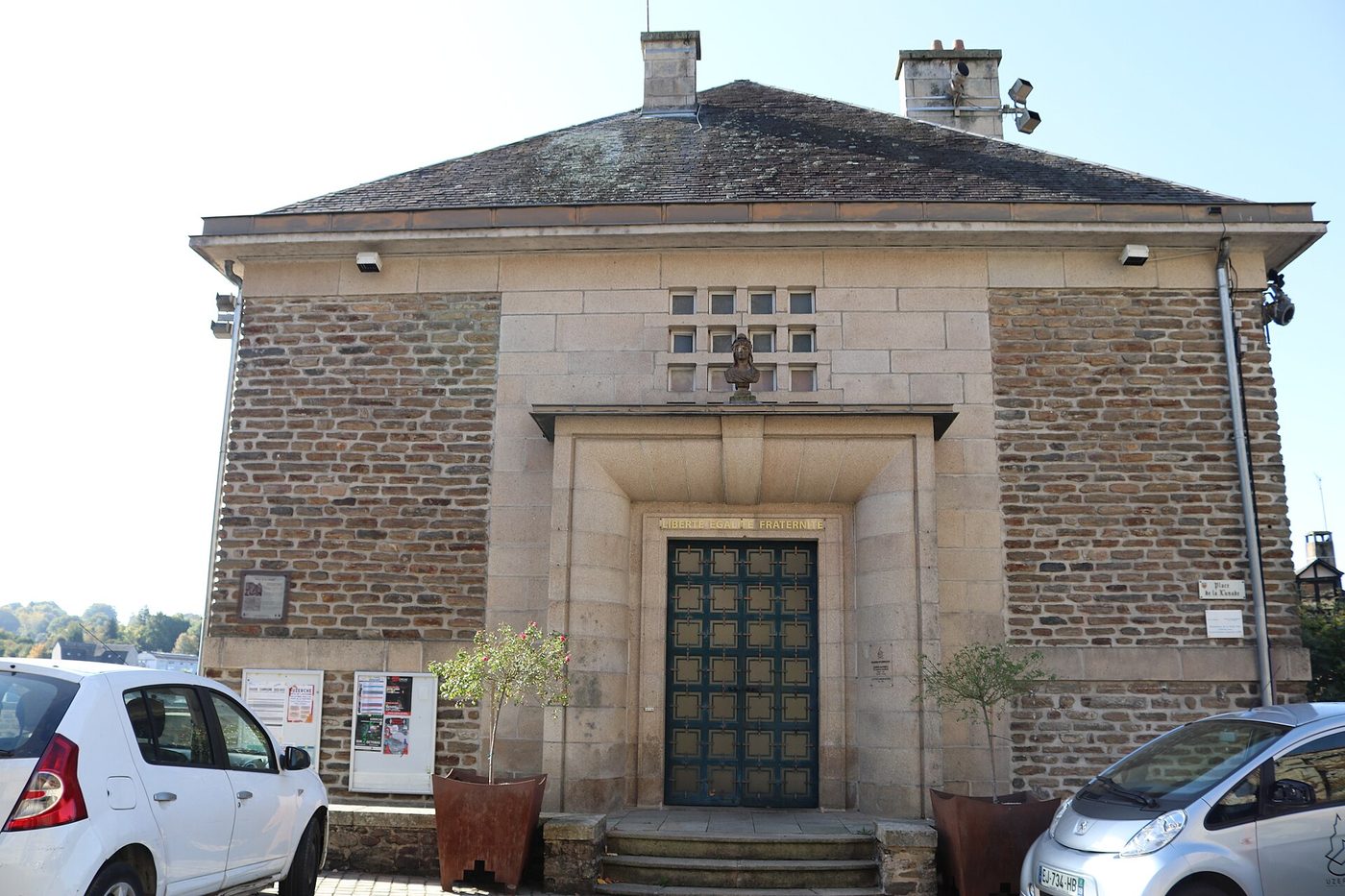
The commune is the smallest level, with a town hall (mairie), a municipal council and a mayor (maire). There are around 35,000 communes.
The mayor keeps the civil registry (état civil): births, marriages and deaths are registered at the mairie, and civil weddings are held there.
The département is led by a departmental council (conseil départemental) and takes care of social help, roads and middle schools (collèges). There are 101 départements, including overseas ones.
The region (région) is led by a regional council and handles transport, high schools (lycées), professional training and economic development. France has 18 regions, 13 in metropolitan France.
The préfet represents the State in each département, and the préfecture is where you ask for residence permits and other papers.
Key words you will meet in the questions
mairie
town hall
maire
mayor
département
département (a French county)
région
region
préfecture
the State office in a département
Part 6 of 6
Justice and the Constitution
Justice is independent. In France it is given in the name of the French people.
The Constitutional Council (Conseil constitutionnel) checks that laws agree with the Constitution. The Council of State (Conseil d’État) judges disputes with the administration.
Ordinary courts judge civil and criminal cases, with the Court of Cassation (Cour de cassation) at the top. Serious crimes are judged by a cour d’assises with a jury of citizens.
Everybody is presumed innocent until a court has judged them, and has the right to a lawyer (avocat); legal aid exists for those with low income.
The police nationale and the gendarmerie keep public order. You call 17 for the police or the gendarmerie.
Key words you will meet in the questions
justice
justice
tribunal
court
avocat
lawyer
Conseil constitutionnel
Constitutional Council
présomption d’innocence
presumption of innocence
Remember for the exam
President: 5-year term, elected directly, appoints the Prime Minister. Fifth Republic since 1958.
Parliament = National Assembly (577 deputies) + Senate (348 senators); the Assembly has the last word.
Vote from 18, registered, secret, not compulsory; two rounds for presidential and legislative elections.
Commune (mayor, mairie), département, region; the préfet represents the State.
Justice is independent; presumption of innocence; 17 for the police.
Now practise this topic
Reading is the first step. Questions show you what you already know.
Study the questions on this topic
Every question of the bank on this topic, with its answer. Check yourself and mark what you do not know yet.